




Planning a trip that combines hiking adventures with comfortable hotel stays can be exciting, but packing for both activities requires some smart thinking. You want to be ready for mountain trails during the day and feel fresh and presentable at your hotel in the evening. This guide will help you pack everything you need without overstuffing your bag.
- Understanding Your Packing Needs
- Essential Hiking Gear You Cannot Skip
- Clothing Strategy for Dual Purpose Travel
- Hotel Comfort Items Worth Packing
- Weather Preparation and Protection
- Technology and Navigation Tools
- Organizing Your Luggage Efficiently
- Smart Packing for Different Trip Lengths
- Additional Items That Make Life Easier
- Making Your Trip More Enjoyable
- Frequently Asked Questions
Understanding Your Packing Needs
When you plan a trip that mixes outdoor hiking with hotel comfort, you need to think about two different worlds. During the day, you will be walking on trails, climbing hills, and enjoying nature. At night, you want to relax in a clean hotel room, maybe visit a nice restaurant, or explore the city. The trick is packing items that work for both situations whenever possible.
Many travelers make the mistake of packing too much or bringing the wrong items. They end up carrying heavy bags filled with things they never use. Other times, they forget important items and have to buy them at higher prices during their trip. Learning what to pack and what to leave behind will make your journey much more enjoyable.
Essential Hiking Gear You Cannot Skip
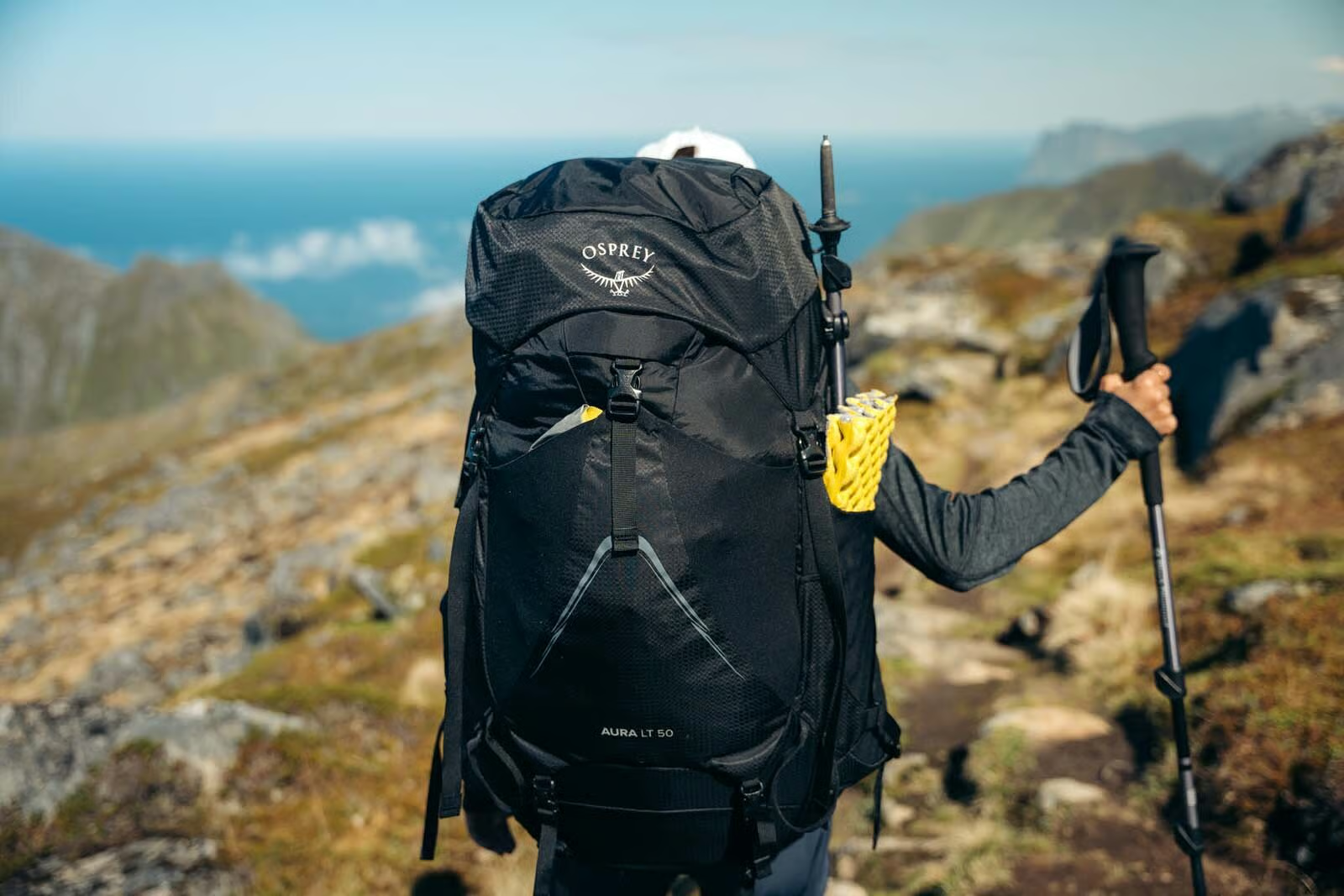
Your hiking gear forms the foundation of your packing list. Start with a good quality backpack that fits comfortably on your shoulders. The backpack should have enough space for water, snacks, a first aid kit, and extra clothing layers. Look for one with padded straps and multiple compartments to keep things organized.
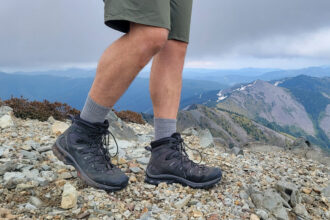
Proper hiking shoes or boots are extremely important. Your feet will carry you through miles of trails, so they deserve the best protection. Choose shoes that you have already worn a few times before your trip. New shoes can cause painful blisters that will ruin your hiking experience. Make sure your shoes have good grip on the bottom to prevent slipping on wet or rocky surfaces.
Water is life when you are hiking. Carry at least two liters of water in reusable bottles or a hydration pack. Dehydration can make you tired, give you headaches, and spoil your adventure. Along with water, pack some energy bars, dried fruits, or nuts. These snacks give you quick energy when you feel tired on the trail.
A basic first aid kit should always be in your backpack. Include bandages, pain relief medicine, blister treatment, antiseptic wipes, and any personal medications you take regularly. Small cuts, scrapes, or headaches can happen during hiking, and having these supplies means you can handle minor problems quickly.
Clothing Strategy for Dual Purpose Travel
Choosing the right clothes for a hiking and hotel combination trip needs careful planning. The golden rule is to pack items that can work in multiple situations. This approach saves space and weight in your luggage.
For hiking, wear clothes made from materials that dry quickly and move sweat away from your skin. Cotton might feel comfortable at first, but it holds moisture and can make you cold. Instead, choose synthetic fabrics or merino wool. Pack at least two sets of hiking clothes so you can wash one set while wearing the other.
Layering is your best friend in changing weather conditions. Start with a base layer that sits close to your skin. Add a middle layer like a fleece or light jacket for warmth. Finally, have an outer layer that protects you from wind and rain. This system lets you add or remove layers as the temperature changes throughout the day.
For hotel evenings, pack one or two outfits that look neat and feel comfortable. Dark colored pants or jeans work well because they do not show dirt easily and look presentable. Bring shirts or tops that do not wrinkle much when packed in your bag. These clothes let you feel confident whether you are having dinner at the hotel restaurant or exploring nearby shops.
Do not forget about underwear and socks. Pack enough pairs for each day, plus one or two extra sets. Socks designed for hiking have extra padding and prevent blisters much better than regular socks. Having fresh socks each day makes a huge difference in your comfort level.
Hotel Comfort Items Worth Packing
Even though hotels provide many things, bringing some personal items makes your stay much more comfortable. A small toiletry bag with your favorite soap, shampoo, toothbrush, and toothpaste ensures you have products that work well for your skin and hair. Hotels offer these items, but they might not be what you normally use.
Pack a lightweight towel that dries quickly. You can use it for wiping sweat during hikes or as an extra towel at the hotel. Microfiber towels take up very little space and dry much faster than regular towels.
Bring flip flops or sandals to wear inside the hotel room and in shared shower areas. After a long day of hiking in boots, your feet will appreciate the freedom of open footwear. These shoes also protect your feet from germs in public bathroom spaces.
A phone charger and portable power bank are essential in today’s connected world. You will want to take photos during your hikes and stay in touch with family. A power bank ensures your phone does not die when you need it most, especially if you use GPS apps for trail navigation.
Weather Preparation and Protection
Weather can change quickly, especially in mountain areas where hiking trails are located. Checking the forecast before your trip helps, but you should also prepare for unexpected changes. A lightweight rain jacket that folds into a small pouch is perfect. It protects you from sudden rain showers without taking up much space in your bag.
Sunscreen and sunglasses protect your skin and eyes from harmful sun rays. Even on cloudy days, UV rays can damage your skin. Apply sunscreen before starting your hike and reapply every few hours. A hat with a brim gives extra protection to your face and neck.
In colder weather, bring gloves and a warm hat. Your body loses a lot of heat through your head and hands. These small items take almost no space but can make a massive difference in your comfort when temperatures drop.
Technology and Navigation Tools
Your smartphone is probably your most valuable tech item during the trip. Download offline maps of the hiking trails before you leave. This ensures you can find your way even without internet connection. Apps like AllTrails or Google Maps let you save maps for offline use.
Consider bringing a small camera if you enjoy photography. While phones take great pictures, a dedicated camera might capture better quality images of beautiful landscapes. However, if you want to travel light, your smartphone camera works perfectly fine for most situations.
A headlamp or small flashlight is useful for early morning hikes or if you return to your hotel after dark. Choose one that is lightweight and has long battery life. Some models can also serve as emergency lights if power goes out at the hotel.
Organizing Your Luggage Efficiently
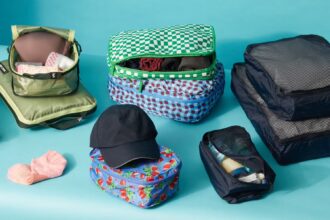
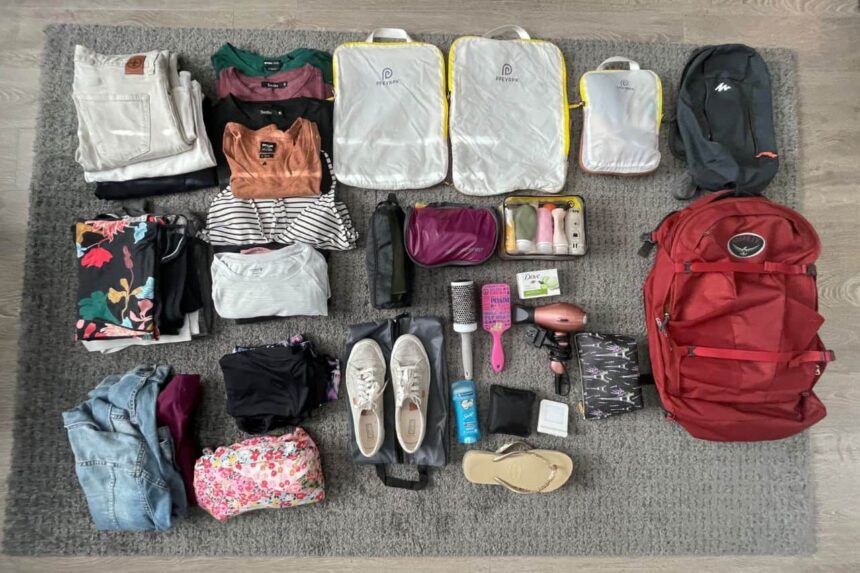
How you pack your items matters just as much as what you pack. Use packing cubes or ziplock bags to keep similar items together. This organization system helps you find things quickly without emptying your entire bag. Put dirty hiking clothes in a separate bag to keep them away from clean hotel outfits.
Pack heavier items close to your back and lighter items toward the outside. This weight distribution makes your backpack more comfortable to carry. Keep items you need frequently, like water bottles and snacks, in easy to reach pockets.
Roll your clothes instead of folding them to save space and reduce wrinkles. This technique works especially well for shirts, pants, and jackets. Stuff socks and small items inside your shoes to use every bit of available space.
Smart Packing for Different Trip Lengths
The length of your trip affects how much you need to pack. For a weekend trip combining hiking and hotel stays, you can manage with a medium sized backpack. Pack two sets of hiking clothes, one hotel outfit, and essential toiletries.
Week long trips require more planning but not necessarily more clothes. Many hotels offer laundry services or have washing machines available for guests. Washing clothes mid trip means you can pack lighter and have fresh outfits throughout your journey.
Always pack one complete change of clothes in your carry on bag if you are flying. Lost luggage can happen, and having spare clothes ensures you can start hiking even if your main bag arrives late.
Additional Items That Make Life Easier
A reusable shopping bag folds flat in your luggage but becomes useful for carrying snacks, souvenirs, or wet clothes. These bags are also good for separating dirty shoes from clean clothes in your main backpack.
Bring a small notebook and pen for jotting down trail names, hotel addresses, or memorable moments. Writing things down helps you remember details better than just taking photos.
Pack some plastic bags for storing trash during hikes. Many trails do not have garbage bins, and responsible hikers always carry out what they carry in. These bags also work for storing wet or muddy items.
Making Your Trip More Enjoyable
The best packing strategy balances preparation with flexibility. Having the right gear means you can focus on enjoying your hiking experience and relaxing at your hotel without worrying about missing items. Remember that every person has different needs based on their comfort level, health conditions, and personal preferences.
Start preparing your packing list at least one week before your trip. This gives you time to buy any missing items and test your gear. Check all your equipment to make sure everything works properly. Replace worn out items before they fail during your trip.
At MileTrails, we understand that successful adventures start with proper planning. Whether you are exploring local trails or traveling to distant mountains, having the right gear makes every moment better. Visit our website at https://miletrails.com/ to discover more helpful guides, trail recommendations, and travel tips that will transform your outdoor experiences.
Frequently Asked Questions
How many pairs of shoes should I pack for a hiking and hotel trip?
Pack your main hiking boots or shoes, one pair of comfortable walking shoes for casual hotel wear, and flip flops for the hotel room. Three pairs cover all your needs without taking too much luggage space.
Can I wash my hiking clothes at the hotel?
Most hotels provide laundry services or have guest laundry facilities. You can also hand wash quick dry hiking clothes in your hotel sink and hang them to dry overnight. This lets you pack fewer clothes and always have fresh outfits.
What size backpack works best for day hikes?
A backpack between 20 to 30 liters capacity works perfectly for day hikes. This size holds your water, snacks, extra layers, first aid kit, and other essentials without being too heavy or bulky.
Should I pack my hiking gear in checked luggage or carry on?
If flying, pack essential items like medications, one change of clothes, and valuable electronics in your carry on. Hiking boots, poles, and most clothing can go in checked luggage. This strategy protects you if your checked bag gets delayed.
How do I keep my hotel room clean after muddy hikes?
Bring a small brush to clean mud off your boots before entering the hotel. Keep a plastic bag or separate compartment for dirty shoes. Most hotels appreciate guests who make an effort to keep rooms tidy and will gladly provide extra towels if needed.
Ready to start planning your next adventure? Explore more helpful travel resources and connect with fellow hiking enthusiasts at MileTrails. Our community shares real experiences, tested gear recommendations, and insider tips that make every trip more successful. Visit miletrails.com today and turn your travel dreams into reality.