

Traveling the world with just a backpack sounds like a dream, but many people think it costs too much money. The good news is that backpacking can actually be one of the cheapest ways to explore new places if you know the right tricks. Whether you want to hike through national parks or explore cities across different countries, learning how to save money while backpacking will help you travel longer and see more amazing places without breaking the bank.
- Planning Your Trip to Save Money Before You Leave
- Finding Affordable Accommodation Options
- Eating Well Without Spending Too Much
- Transportation Tricks for Budget Backpackers
- Activities and Entertainment on a Budget
- Packing Smart to Avoid Extra Costs
- Managing Money and Avoiding Fees
- Working While You Travel
- Frequently Asked Questions
- How much money do I need for a month of backpacking?
- Is backpacking safe when you are staying in cheap places?
- What is the cheapest way to travel between countries?
- Can you backpack if you need to eat special foods or have dietary restrictions?
- How do you stay connected with family without spending money on international phone plans?
This guide shares practical tips that real travelers use to cut costs and make their adventures affordable. From finding cheap places to sleep to eating well without spending too much, these strategies will help you plan your next budget-friendly backpacking trip with confidence.
Planning Your Trip to Save Money Before You Leave
Smart planning is the secret to keeping your backpacking costs low. Many people waste money because they do not prepare properly before they start their journey. Taking time to research and organize your trip can save you hundreds of dollars.
Start by choosing destinations where your money goes further. Some countries and regions are naturally cheaper than others. Southeast Asia, Central America, and Eastern Europe offer incredible experiences at lower prices compared to Western Europe or Australia. If you are planning to visit national parks in the United States, consider going during shoulder seasons when entrance fees might be lower and campsites are less crowded.
Booking flights early usually saves money, but sometimes last-minute deals can be cheaper. Use flight comparison websites to track prices over several weeks. Being flexible with your travel dates can make a huge difference. Flying on weekdays instead of weekends often costs less. Red-eye flights that leave late at night or arrive early in the morning are usually cheaper because fewer people want to take them.
Creating a daily budget helps you stay on track. Calculate how much money you can spend each day by dividing your total budget by the number of days you plan to travel. This simple math trick keeps you from spending too much at the beginning of your trip and running out of money later.
Finding Affordable Accommodation Options
Where you sleep each night will probably be your biggest expense after transportation. Luckily, backpackers have many affordable options that are much cheaper than hotels.
Hostels are the most popular choice for budget travelers. These shared accommodations let you rent just a bed in a room with other travelers instead of paying for a whole room. Dorm rooms in hostels can cost as little as ten to twenty dollars per night in many countries. Many hostels also have kitchens where you can cook your own meals, which saves even more money. Some hostels offer free breakfast, which is a great way to start your day without spending extra cash.
Camping is another excellent way to save money, especially if you love being outdoors. National parks and public lands often have campgrounds that charge very small fees or are completely free. Bringing a tent and sleeping bag means you can sleep under the stars and wake up surrounded by nature. Just make sure you follow all camping rules and get any necessary permits. Check out resources on MileTrails for detailed guides on camping in various national parks across the country.
Couchsurfing connects travelers with local people who offer free places to stay. This option costs nothing and gives you a chance to meet residents who can share insider tips about their city. Always read reviews carefully and communicate clearly with hosts before accepting their invitation.
House sitting is becoming more popular among long-term travelers. Homeowners who go on vacation need someone to watch their house and sometimes take care of pets. In exchange for these simple tasks, you get free accommodation. Websites dedicated to house sitting connect travelers with homeowners around the world.
Eating Well Without Spending Too Much
Food is another major expense that can quickly drain your budget if you are not careful. Eating at restaurants for every meal gets expensive fast, but you do not have to survive on instant noodles to save money.
Shopping at local markets and grocery stores instead of restaurants can cut your food costs by more than half. Buy fresh fruits, vegetables, bread, and other simple foods that do not need much preparation. Markets in many countries sell delicious ready-to-eat meals at prices much lower than sit-down restaurants.
Cooking your own meals whenever possible is the best way to save money on food. If your hostel or accommodation has a kitchen, take advantage of it. Making breakfast and packing lunches for day trips means you only need to buy dinner. Cooking also lets you choose healthier options and control exactly what goes into your food.
Street food in many countries offers tasty and cheap meals. Local vendors selling food from carts or small stalls often charge a fraction of what restaurants cost. Street food also gives you authentic flavors that represent real local cuisine. Just make sure the food looks fresh and the vendor seems clean to avoid getting sick.
Carrying snacks and a reusable water bottle saves money throughout the day. Buying drinks and snacks at tourist spots always costs more than at regular stores. Fill your water bottle at your accommodation before leaving each morning. Pack trail mix, granola bars, or fruit to avoid expensive convenience store purchases when you get hungry.
Transportation Tricks for Budget Backpackers
Getting from place to place can eat up your budget quickly if you always choose the fastest or most comfortable option. Slowing down and choosing cheaper transportation methods can save significant amounts of money.
Walking is free and lets you see places up close that you would miss from a bus or train window. Many cities are very walkable, and exploring on foot helps you discover hidden gems that guidebooks do not mention. Walking also keeps you healthy and fit during your travels.
Public transportation like buses and trains costs much less than taxis or rental cars. Learn how the local bus or subway system works in each place you visit. Many cities offer daily or weekly passes that make public transportation even cheaper. Overnight buses and trains serve double duty by getting you to your next destination while saving you a night of accommodation costs.
Hitchhiking is free but requires caution and good judgment. This traditional backpacker method works well in some countries where the practice is common and relatively safe. Always trust your instincts and never get into a vehicle if something feels wrong. Traveling with a partner makes hitchhiking safer than going alone.
Sharing rides with other travelers splits the cost of transportation. Look for ride-sharing boards at hostels or use apps that connect drivers with passengers heading the same direction. This works especially well for reaching trailheads or remote areas where public transportation does not go.
Activities and Entertainment on a Budget
You do not need to spend lots of money on tours and attractions to have amazing experiences. Many of the best things to do while traveling are free or very cheap.
Hiking and exploring nature costs nothing in most places. National parks charge entrance fees, but these are usually small compared to other activities and give you access for several days. Trails, viewpoints, and natural wonders provide entertainment without ongoing expenses. MileTrails offers comprehensive guides to help you plan hiking adventures across America’s most beautiful parks.
Free walking tours operate in many popular cities around the world. Local guides lead groups through neighborhoods and explain history and culture. These tours typically work on tips, so you pay what you think the tour was worth at the end. Even a small tip costs less than organized paid tours.
Museums and attractions often have free days or discounted hours. Research before visiting to find out when places offer free admission. Many cities have museum passes that give access to multiple attractions for one price, which saves money if you plan to visit several places.
Beaches, parks, and public spaces provide free entertainment and relaxation. Watching sunsets, having picnics, or simply sitting and people-watching costs nothing. Local festivals and events happening during your visit often have free activities open to everyone.
Packing Smart to Avoid Extra Costs
What you bring in your backpack affects how much money you spend on the road. Packing the right things from the start prevents expensive purchases later.
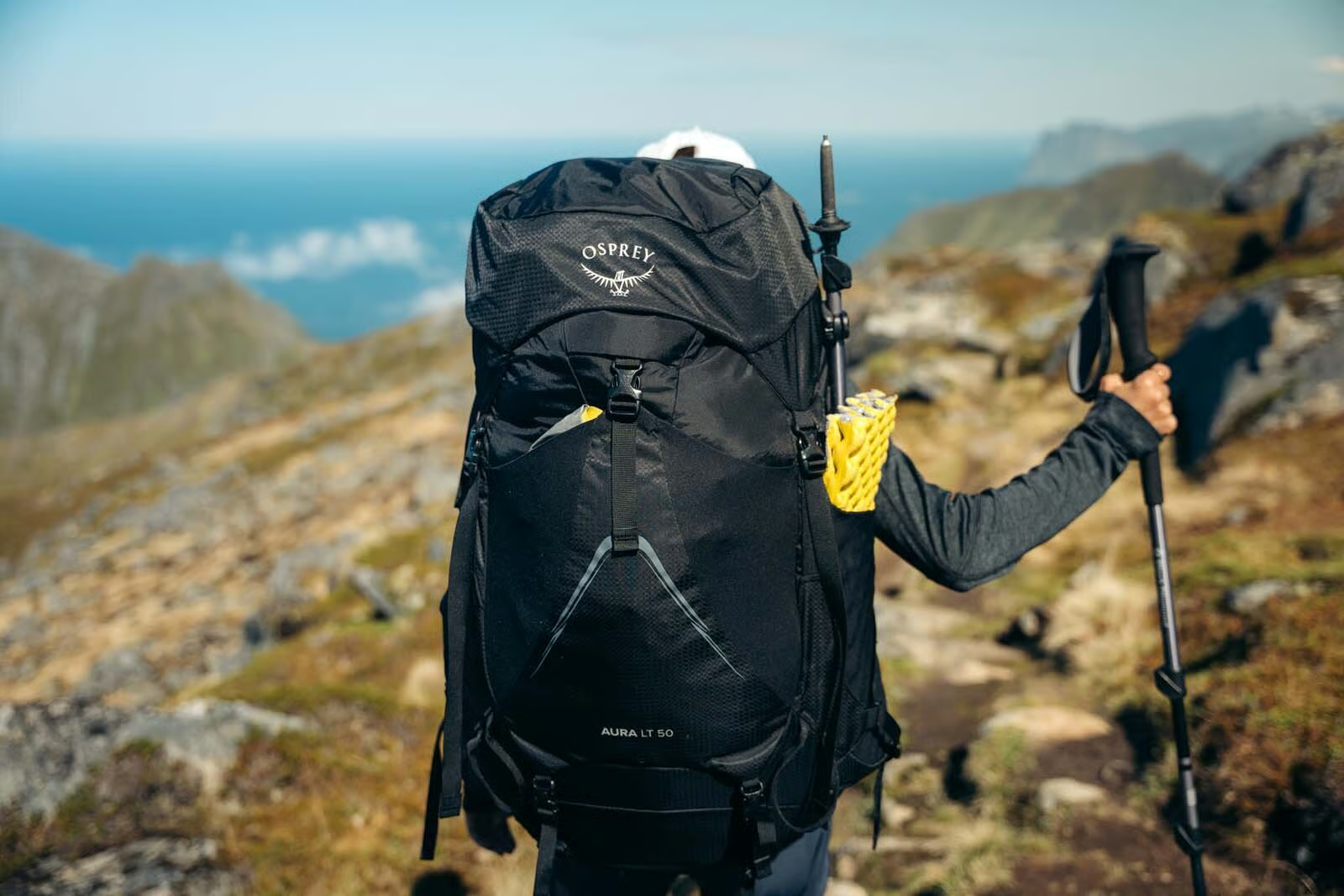
A good quality backpack itself is worth the investment because cheap ones break and need replacing. Choose a comfortable pack that fits your body properly and has enough space for everything you need without being too big. Airline baggage fees for checked bags add up quickly, so traveling with only a carry-on sized backpack saves money on every flight.
Bringing basic medical supplies and toiletries from home costs less than buying them at tourist prices. Pack pain relievers, bandages, any prescription medications, and travel-sized versions of shampoo and soap. Most items are available everywhere, but you will pay more for them at convenience stores near tourist areas.
A multi-tool, flashlight, and portable phone charger prove useful in countless situations. These small items solve problems and prevent situations where you might need to buy something or pay for services. A headlamp helps you navigate dark hostel rooms without disturbing roommates and works great for night hikes.
Quick-dry towels and clothes mean you can wash items in sinks and have them dry overnight. This lets you pack fewer clothes and avoid paying for laundry services. Merino wool clothing resists odors naturally, so you can wear items multiple times before washing.
Managing Money and Avoiding Fees
How you access and spend money abroad affects your total costs. Banking fees and bad exchange rates can waste surprising amounts of money over a long trip.
Notify your bank before traveling internationally to avoid having your cards blocked for suspicious activity. Ask about foreign transaction fees and ATM withdrawal fees. Some banks charge several dollars per ATM withdrawal plus a percentage of the amount, which adds up fast. Consider getting a bank account or credit card designed for travelers that does not charge these fees.
Withdrawing larger amounts less often reduces the number of fees you pay, but never carry more cash than you feel comfortable losing. Use ATMs located inside banks rather than ones on the street, which tend to have higher fees and security risks.
Paying in local currency instead of your home currency usually gives you better exchange rates. When using credit cards abroad, merchants might ask if you want to pay in dollars or local currency. Always choose local currency because the merchant’s conversion rate is usually worse than your bank’s rate.
Budgeting apps help track your spending and show where your money actually goes. Many travelers are surprised to discover that small purchases like coffee or snacks add up to significant amounts over time. Seeing these patterns helps you make better choices.
Working While You Travel
Some backpackers make money during their trips to extend their travels or offset costs. Various opportunities exist for travelers willing to work in exchange for money or free accommodation and food.
Work exchange programs connect travelers with farms, hostels, and other businesses that need help. You work a few hours each day and receive free accommodation and sometimes meals. This arrangement lets you stay in one place longer without spending much money while experiencing local life more deeply than typical tourists.
Teaching English is possible in many countries if you speak English as a native language. Some positions require certification, but others accept teachers without formal qualifications. Teaching even part-time can cover your basic living expenses in countries with lower costs.
Freelancing online works if you have skills like writing, graphic design, programming, or virtual assistance. Reliable internet connections in most places make working remotely possible. This approach lets you earn money from anywhere while maintaining complete freedom to travel when and where you want.
Seasonal jobs in tourist areas or at ski resorts often come with staff accommodation. Working a season lets you experience a place deeply while saving money because room and board are covered. These jobs also connect you with other travelers and locals.
Frequently Asked Questions
How much money do I need for a month of backpacking?
The amount varies greatly depending on where you travel. In Southeast Asia or Central America, some backpackers spend as little as five hundred to eight hundred dollars per month. In Western Europe or Australia, you might need two thousand dollars or more per month. Creating a daily budget based on your destination helps you estimate total costs. Remember that your biggest expenses will be accommodation, food, and transportation.
Is backpacking safe when you are staying in cheap places?
Backpacking is generally safe when you take basic precautions. Stay in hostels and accommodations with good reviews from other travelers. Keep your valuables secured in lockers when available. Trust your instincts about people and situations. Millions of people backpack safely every year by staying aware of their surroundings and making smart choices.
What is the cheapest way to travel between countries?
Budget airlines often offer the cheapest flights for longer distances, but remember to check baggage fees that can add significantly to the price. Buses are usually the cheapest option for shorter distances and border crossings. Trains can be affordable if you book in advance or use rail passes. Compare all options because the cheapest method varies by route and timing.
Can you backpack if you need to eat special foods or have dietary restrictions?
Yes, backpackers with dietary restrictions can save money and eat well with some extra planning. Cooking your own meals gives you complete control over ingredients. Research your destination to learn what foods are naturally available that fit your needs. Many countries have excellent markets with fresh produce suitable for vegetarian, vegan, or gluten-free diets.
How do you stay connected with family without spending money on international phone plans?
Free WiFi available at hostels, cafes, and public spaces lets you use messaging apps and video calls without any cost. Download offline maps before leaving WiFi areas so you can navigate without data. Some travelers buy local SIM cards with small data packages if they need constant connectivity, which costs much less than international roaming charges.
Ready to start planning your budget backpacking adventure? Visit MileTrails for detailed guides on exploring national parks and outdoor destinations that offer incredible experiences without expensive price tags. Our community of travelers shares tips and experiences to help you make the most of every dollar while creating unforgettable memories.