




America’s national parks offer some of the most beautiful hiking trails in the world. Whether you’re an experienced hiker or just starting out, these scenic trails provide unforgettable views and outdoor adventures. From towering mountains to deep canyons, each hike offers something special that will make your trip memorable.
- Angels Landing Trail in Zion National Park
- The Narrows in Zion National Park
- Half Dome Trail in Yosemite National Park
- Mist Trail to Vernal Fall in Yosemite National Park
- Delicate Arch Trail in Arches National Park
- Grand Canyon Rim Trail
- Cascade Canyon Trail in Grand Teton National Park
- Alum Cave Trail in Great Smoky Mountains National Park
- Hidden Lake Trail in Glacier National Park
- Emerald Lake Trail in Rocky Mountain National Park
- Planning Your National Park Hiking Adventure
- Frequently Asked Questions
Planning your next hiking adventure can feel overwhelming with so many options available. This guide shares ten incredible hikes across different national parks that offer stunning scenery and experiences suitable for various skill levels. These trails have been selected based on their natural beauty, accessibility, and the unique experiences they provide to visitors.
Angels Landing Trail in Zion National Park
Angels Landing stands as one of the most famous hikes in the entire national park system. This trail in Zion National Park challenges hikers with steep climbs and narrow paths, but rewards them with spectacular views of the canyon below. The trail stretches about five miles round trip and takes most people four to five hours to complete.
The final half mile requires holding onto chains bolted into the rock as you climb along a narrow ridge. While this section can feel scary, the panoramic views from the top make every step worthwhile. You’ll see the Virgin River winding through the canyon and red rock formations stretching in every direction. Early morning hikes help you avoid crowds and experience cooler temperatures.
The Narrows in Zion National Park
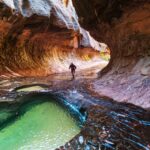
The Narrows offers a completely different hiking experience where you walk directly through the Virgin River. This unique trail takes you through a stunning slot canyon with walls rising over a thousand feet on both sides. The river becomes your path as you wade through water that can range from ankle deep to waist deep depending on the season.
Most hikers start from the Temple of Sinawava and walk upstream as far as they feel comfortable before turning back. A popular turnaround point sits about two miles in at Wall Street, where the canyon becomes incredibly narrow and the walls tower dramatically overhead. The hike works best during summer and early fall when water levels stay lower and temperatures remain warm.
Wearing proper water shoes and using a walking stick helps maintain balance on the slippery river rocks. The light filtering through the narrow canyon creates beautiful patterns on the water and rock walls, making this hike a photographer’s dream.
Half Dome Trail in Yosemite National Park
Half Dome represents one of Yosemite’s most iconic landmarks and hiking to its summit creates an unforgettable experience. This challenging sixteen mile round trip hike gains nearly five thousand feet in elevation. The journey typically takes ten to twelve hours, so starting before sunrise gives you the best chance of completing it safely.
The final four hundred feet require climbing steel cables installed on the steep granite face. This section demands both physical strength and mental determination, but standing on top of Half Dome provides views across the entire Yosemite Valley. You can see El Capitan, Clouds Rest, and countless other peaks stretching to the horizon.
A permit system limits the number of daily hikers to protect the trail and ensure safety. Applying for permits well in advance increases your chances of securing a spot during peak season. Proper preparation including plenty of water, snacks, and appropriate gear makes this challenging hike much more enjoyable.
Mist Trail to Vernal Fall in Yosemite National Park
The Mist Trail offers a shorter but still rewarding Yosemite experience perfect for families and those wanting a taste of the park’s beauty without an all day commitment. This trail climbs about three miles round trip to Vernal Fall, where you’ll get soaked by the waterfall’s mist during spring and early summer when water flow peaks.
Granite steps carved into the mountainside lead you up alongside the rushing Merced River. The trail earns its name from the heavy mist that sprays hikers as they approach the falls, creating rainbows on sunny days. Waterproof jackets help keep you somewhat dry, though many hikers embrace getting wet as part of the experience.
The views from the top of the falls showcase the power of the water as it plunges over three hundred feet into the pool below. You can extend this hike by continuing to Nevada Fall, adding another few miles and more elevation gain to your adventure.
Delicate Arch Trail in Arches National Park
Delicate Arch stands as Utah’s most famous natural arch and the symbol you’ll find on the state’s license plates. The three mile round trip hike crosses slickrock terrain with minimal shade, making early morning or late afternoon the best times to tackle this trail. The moderate difficulty comes primarily from the exposure to sun and the final steep climb up smooth rock.
As you round the final corner, Delicate Arch appears dramatically framed against the sky. The sixty five foot tall arch sits on the edge of a large bowl carved into the sandstone, with the La Sal Mountains visible in the distance. Sunset brings incredible colors to the red rock, though this also means sharing the experience with larger crowds.
Bringing plenty of water becomes essential since no shade exists along most of the trail. The slickrock surface can become slippery when wet, so checking weather conditions before heading out helps ensure a safe hike.
Grand Canyon Rim Trail
The Rim Trail provides the most accessible way to experience Grand Canyon’s incredible views. This mostly flat trail stretches about thirteen miles along the South Rim, though you can walk any portion that fits your schedule and ability. Paved sections make parts of the trail wheelchair accessible, opening these stunning views to everyone.
Walking along the rim gives you constantly changing perspectives of the canyon’s immense size and colorful rock layers. Multiple viewpoints along the way offer perfect spots to rest and take photos. You’ll see the Colorado River far below, creating the dramatic landscape over millions of years.
Sunrise and sunset transform the canyon’s colors from deep purples and reds to bright oranges and yellows. The trail connects various visitor facilities, making it easy to start and stop at different points. This flexibility allows you to customize your hike based on time and energy levels.
Cascade Canyon Trail in Grand Teton National Park
Cascade Canyon takes you deep into the heart of the Teton Range through a beautiful glacially carved valley. The trail begins with a boat ride across Jenny Lake, immediately putting you in the middle of spectacular mountain scenery. From the boat dock, the trail climbs gradually through forest and alongside a rushing creek.
The canyon opens up as you hike deeper, revealing towering peaks on both sides. Wildlife sightings happen frequently here, with moose often spotted in the willows near the creek and black bears sometimes visible on the hillsides. Carrying bear spray and knowing how to use it provides important safety on this trail.
Most hikers turn around at the canyon’s fork about seven miles in, though continuing to either fork leads to even more remote and beautiful alpine scenery. The relatively gentle grade makes this long hike manageable for people with moderate fitness levels. Cool air flowing down from the high peaks provides natural air conditioning even on warm summer days.
Alum Cave Trail in Great Smoky Mountains National Park
Alum Cave Trail showcases the lush beauty of the Smokies as it climbs to one of the park’s most interesting geological features. The five mile round trip hike gains about fifteen hundred feet through old growth forest filled with massive trees and thick undergrowth. The trail passes several notable features including Arch Rock, a natural tunnel, and Inspiration Point with its sweeping valley views.
The trail’s namesake, Alum Cave, isn’t actually a cave but rather a large concave bluff that provides shelter from rain. The overhanging rock creates a cool, dripping environment where unique plants thrive. Steel cables help hikers navigate some of the steeper and more exposed sections as the trail continues up to Mount LeConte if you want a longer adventure.
Spring brings beautiful wildflowers while fall transforms the forest into brilliant reds, oranges, and yellows. The Smokies receive significant rainfall, so bringing rain gear makes sense regardless of the forecast. The moist environment creates that characteristic misty atmosphere that gives the mountains their name.
Hidden Lake Trail in Glacier National Park
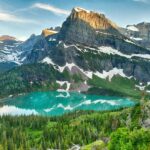
Hidden Lake Trail begins at Logan Pass, the highest point you can drive to in Glacier National Park. The three mile round trip hike crosses alpine meadows bursting with wildflowers during July and August. Mountain goats frequently graze near the trail, offering incredible wildlife viewing opportunities.
The trail climbs gradually to an overlook above Hidden Lake, where you can see the turquoise water surrounded by dramatic peaks. On clear days, the views stretch for miles across Glacier’s rugged landscape. The high elevation means snow can linger into summer, so checking current trail conditions before visiting helps with planning.
Weather can change rapidly at this elevation, with afternoon thunderstorms common during summer months. Starting your hike early gives you the best chance of completing it before storms develop. The relatively short distance makes this trail perfect for families, though the high altitude may affect some visitors not used to thinner air.
Emerald Lake Trail in Rocky Mountain National Park
Emerald Lake Trail takes you past three stunning alpine lakes in Rocky Mountain National Park. The three and a half mile round trip hike begins at Bear Lake and climbs gradually to Dream Lake, then Nymph Lake, before reaching Emerald Lake. Each lake offers different but equally beautiful scenery surrounded by towering peaks.
The trail gains about six hundred feet in elevation, making it manageable for most hikers despite the high altitude of over ten thousand feet. Wildflowers bloom along the trail during summer, and the lakes themselves reflect the surrounding mountains like perfect mirrors on calm days. Fall brings golden aspens that contrast beautifully with the evergreen forest and grey rock.
Starting early helps you beat the crowds and potentially spot wildlife like elk or marmots. The popularity of this trail means parking at the Bear Lake trailhead fills up quickly, so using the park’s shuttle system often provides easier access. The stunning views and relatively moderate difficulty make this one of the most rewarding hikes in the Rockies.
Planning Your National Park Hiking Adventure
Choosing which hikes to tackle depends on your fitness level, available time, and the kind of scenery you most want to experience. Each of these trails offers something unique, from desert landscapes to alpine meadows to dramatic canyons. Researching current conditions, obtaining necessary permits, and preparing proper gear all contribute to a safe and enjoyable hiking experience.
Start planning your next adventure by visiting MileTrails.com where you’ll find detailed trail guides, tips for visiting different national parks, and information about the best times to visit various destinations.
Frequently Asked Questions
What should I bring on a national park hike?
Essential items include plenty of water, snacks or lunch, sun protection like sunscreen and a hat, a map or GPS device, a first aid kit, and layers of clothing since mountain weather changes quickly. Bear spray makes sense in parks with bear populations. Always tell someone your hiking plans before heading out.
When is the best time to hike in national parks?
The best hiking season varies by park and elevation. Generally, late spring through early fall offers the most accessible conditions. Summer brings crowds but also the most reliable weather. Fall provides fewer people and beautiful colors in many parks. Always check specific trail conditions before your visit since snow can close high elevation trails well into summer.
Do I need permits to hike in national parks?
Some popular trails require advance permits to manage crowds and protect the environment. Half Dome in Yosemite, Angels Landing in Zion, and many backcountry areas have permit systems. Day hiking on most trails doesn’t require permits beyond the park entrance fee, but checking current regulations for your specific destination prevents disappointment.
How difficult are these hikes?
The difficulty ranges from easy to strenuous. Rim trails and shorter lakeside hikes work well for beginners and families. Trails like Half Dome and Angels Landing demand excellent physical condition and mental preparation for exposure. Reading detailed trail descriptions and honestly assessing your abilities helps ensure you choose appropriate hikes.
Can children do these hikes?
Many of these trails work wonderfully for children, though selecting appropriate options matters. Shorter hikes with interesting features like waterfalls or lakes keep kids engaged. Very strenuous hikes or those with significant exposure probably work better for older teenagers with hiking experience. Always pace hikes to the slowest member of your group and bring extra snacks and patience.
What wildlife might I see on these trails?
National park hikes offer opportunities to see diverse wildlife including deer, elk, mountain goats, bighorn sheep, various birds, and occasionally bears or moose. Maintaining safe distances protects both you and the animals. Never feed wildlife or approach them for photos. Carrying binoculars lets you observe animals safely from appropriate distances.