
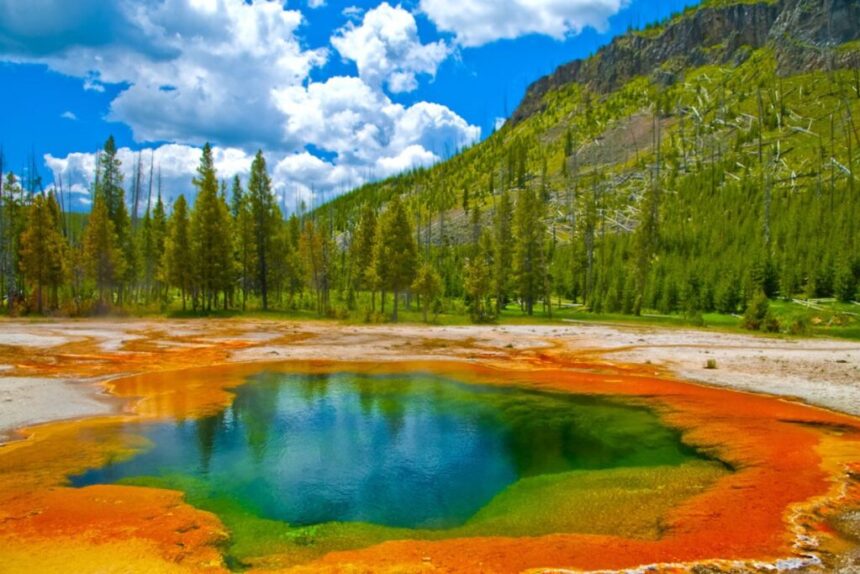
Yellowstone National Park stands as one of America’s most beautiful natural wonders, drawing millions of visitors each year with its stunning geysers, colorful hot springs, and incredible wildlife. Many people dream of visiting this amazing park but worry about the cost. The good news is that you can experience Yellowstone without spending all your savings. Planning a budget trip to Yellowstone requires smart decisions about timing, accommodation, food, and activities, but it is completely possible to enjoy this magnificent park while keeping your wallet happy.
- Understanding Yellowstone Entrance Fees and Passes
- Choosing the Best Time to Visit for Budget Travelers
- Finding Affordable Accommodation Options
- Saving Money on Food and Supplies
- Maximizing Free Activities and Attractions
- Transportation and Getting Around
- Smart Strategies for Reducing Overall Costs
- Essential Tips for Budget Trip Success
- Frequently Asked Questions
- How much does a budget trip to Yellowstone cost per person?
- What is the cheapest month to visit Yellowstone National Park?
- Can you visit Yellowstone National Park for free?
- Is camping in Yellowstone cheaper than staying in hotels?
- How many days do you need to see Yellowstone on a budget?
- What food should I bring to Yellowstone to save money?
Planning a visit to Yellowstone on a budget means making choices that help you save money while still experiencing everything the park has to offer. From choosing the right time to visit to finding affordable places to stay and eat, every decision can help reduce your total trip cost. This guide will walk you through practical steps to plan an affordable Yellowstone adventure that creates memories without creating debt.
Understanding Yellowstone Entrance Fees and Passes
The first cost you will encounter when visiting Yellowstone is the entrance fee. A private vehicle pass costs thirty-five dollars and is valid for seven days, which means you can enter and exit the park multiple times during that week. If you are traveling by motorcycle, the fee is thirty dollars, and if you are walking or biking into the park, the individual entrance fee is twenty dollars per person.
However, there is a smarter way to handle entrance fees if you plan to visit multiple national parks. The America the Beautiful Annual Pass costs eighty dollars and grants you access to all national parks and federal recreation sites for one full year. This pass makes sense if you plan to visit even just three national parks within a year. The pass covers everyone in your vehicle at parks that charge per vehicle, making it an excellent value for families or groups traveling together.
Senior citizens aged sixty-two and older can purchase a lifetime pass for eighty dollars, which is an incredible deal for those who love visiting national parks. Active military members and their families can get a free annual pass, and fourth graders can also access parks for free through the Every Kid Outdoors program.
Choosing the Best Time to Visit for Budget Travelers
Timing your visit correctly can save you hundreds of dollars on accommodation and help you avoid crowds. The summer months from June through August are the busiest and most expensive time to visit Yellowstone. Hotel prices skyrocket, campgrounds fill up months in advance, and the park becomes extremely crowded.
The shoulder seasons of late April through May and September through early October offer the best balance of good weather and lower prices. During these months, you will find cheaper accommodation options, fewer tourists, and still enjoy pleasant weather for exploring the park. Many lodges and hotels near Yellowstone drop their prices significantly during shoulder season, sometimes offering rooms for half the summer rates.
Winter visiting from December through March is another budget option if you enjoy snow activities. While many roads close during winter, the park remains open and offers a unique experience with far fewer visitors. Accommodation prices drop dramatically during winter months, and you can often find excellent deals on lodging in nearby gateway towns.
Spring visitors should know that the park experiences unpredictable weather with possible snow even in May, but this also means very few crowds and lower prices. Fall brings beautiful colors and elk rutting season, creating excellent wildlife viewing opportunities without the summer crowds.
Finding Affordable Accommodation Options
Accommodation typically represents the biggest expense for any Yellowstone trip, but several budget-friendly options exist. Camping is by far the cheapest option, with campground fees ranging from fifteen to thirty-two dollars per night depending on the campground and amenities. Yellowstone has twelve campgrounds, and five of them operate on a first-come, first-served basis, meaning you do not need advance reservations.
The first-come, first-served campgrounds include Mammoth, Tower Fall, Slough Creek, Pebble Creek, and Norris. Arriving early in the morning, typically before ten in the morning, gives you the best chance of securing a spot during busy season. The other seven campgrounds accept reservations up to six months in advance through Recreation.gov, and booking early ensures you get a spot during peak season.
If camping is not your style, consider staying in gateway towns outside the park rather than inside Yellowstone Lodge properties. Towns like West Yellowstone, Gardiner, and Cooke City offer more affordable hotel and motel options. While you will need to drive into the park each day, the money saved on accommodation often makes this worthwhile. These towns also have grocery stores where you can buy food supplies at normal prices rather than the inflated prices found inside the park.
Budget hotel chains in these gateway towns often offer rooms for seventy to one hundred twenty dollars per night during shoulder season, compared to two hundred fifty dollars or more for in-park lodges. Booking through hotel comparison websites and looking for midweek stays rather than weekends can save additional money.
Another creative option is staying in nearby national forest campgrounds outside the park boundaries. These campgrounds cost much less than Yellowstone campgrounds and offer a quieter, more secluded experience. The Gallatin National Forest surrounds much of Yellowstone and has numerous affordable camping options.
Saving Money on Food and Supplies
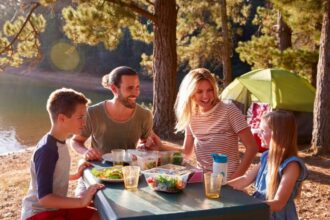
Food costs can quickly add up during a Yellowstone trip, but smart planning helps keep this expense under control. The single best way to save money on food is bringing your own supplies rather than buying meals at park restaurants or general stores. Pack a cooler with sandwich ingredients, snacks, fruits, and drinks before entering the park.
If you are flying to Yellowstone, stop at a grocery store in a larger city like Bozeman or Idaho Falls before driving to the park. Prices at these regular grocery stores are much lower than the small convenience stores in gateway towns or the general stores inside Yellowstone. Stock up on non-perishable items, bread, peanut butter, crackers, granola bars, and other easy foods that do not require cooking.
For campers with cooking equipment, preparing your own meals saves enormous amounts of money compared to eating at park restaurants. Simple camping meals like pasta, rice dishes, canned soups, and hot dogs are inexpensive and easy to prepare. Bringing a small camping stove and basic cooking supplies lets you make hot meals without spending fifteen to twenty-five dollars per person at park dining facilities.
Park general stores charge premium prices for basic items, so avoid purchasing supplies there unless absolutely necessary. A bottle of water that costs one dollar at a regular store might cost three dollars inside the park. Planning ahead and bringing enough supplies prevents these expensive emergency purchases.
That said, treating yourself to one nice meal at an in-park restaurant can be a special experience without breaking your budget. The Old Faithful Inn dining room offers a historic atmosphere, and having one memorable meal there while preparing other meals yourself creates a good balance.
Maximizing Free Activities and Attractions
The beautiful part about Yellowstone is that the best experiences are completely free once you have paid the entrance fee. All the famous geothermal features, wildlife viewing areas, scenic drives, and hiking trails cost nothing extra to enjoy. You can spend an entire week exploring Yellowstone without paying for any additional activities beyond your entrance pass.
Old Faithful and the entire Upper Geyser Basin contain the world’s largest concentration of geysers, and walking the boardwalks to see these amazing features is free. The Grand Prismatic Spring, Yellowstone’s most photographed feature, requires only a short walk from the parking area. The Grand Canyon of the Yellowstone offers stunning waterfall views from multiple overlooks accessible by short walks.
Wildlife watching is one of Yellowstone’s top attractions and costs nothing. The Lamar Valley and Hayden Valley are prime locations for seeing bison, elk, and sometimes wolves or bears. Early morning and evening provide the best wildlife viewing opportunities. Bringing binoculars helps you see animals from a safe distance without needing to pay for guided wildlife tours.
Hiking is another completely free activity with trails for every skill level throughout the park. Short walks like the boardwalks around geothermal areas suit families with young children, while longer hikes to places like Mount Washburn or Avalanche Peak challenge experienced hikers. All these trails are free to use and offer incredible natural beauty.
Ranger-led programs are free educational activities offered throughout the summer season. Evening campfire programs, guided walks, and talks at various locations provide expert insights into Yellowstone’s geology, wildlife, and history without any cost. Check the park newspaper you receive at entrance stations for schedules and locations.
The park’s scenic drives, including the Grand Loop Road, let you see diverse landscapes and features from your vehicle. You can easily spend days just driving and stopping at pullouts and overlooks without spending extra money. For more outdoor adventure ideas and national park tips, explore other destinations on MileTrails.com where we share budget-friendly travel guides.
Transportation and Getting Around
Getting to Yellowstone and moving around the park affects your budget significantly. If you live within driving distance, using your own vehicle is the most economical option. The drive itself can be part of the adventure, with beautiful scenery along the way.
Flying to nearby airports like Bozeman, Montana or Jackson Hole, Wyoming provides faster access but requires renting a car. Comparing rental car prices between different airports sometimes reveals significant savings. Bozeman often has more competitive rental rates than smaller airports closer to the park. Booking rental cars well in advance and comparing prices across multiple companies helps secure better deals.
Once inside Yellowstone, you will use your own vehicle to get around since public transportation within the park is extremely limited. The park’s Grand Loop Road connects all major attractions, and having a vehicle gives you flexibility to explore at your own pace. Carpooling with friends or family members splits gas costs and makes the trip more affordable for everyone.
Gas prices inside Yellowstone are higher than outside the park, so filling your tank before entering saves money. Gateway towns have regular gas stations with competitive prices compared to the limited fuel options inside park boundaries.
Bicycle touring is a budget alternative for adventurous travelers. The park allows bicycles on public roads, and cycling eliminates gas costs while providing an intimate park experience. However, this option requires good physical fitness and appropriate gear since distances between attractions are substantial.
Smart Strategies for Reducing Overall Costs
Several additional strategies help minimize your total Yellowstone trip expenses. Visiting with a group of friends or family members lets you split costs for accommodation, campground fees, gas, and food. A campsite that costs twenty-five dollars becomes very affordable when divided among four or five people.
Avoiding souvenir purchases at park gift shops saves money that you can spend on experiences instead. If you want to remember your trip, take plenty of photos rather than buying expensive merchandise. The memories and photos will last longer than t-shirts or trinkets anyway.
Packing all necessary gear before your trip prevents expensive purchases inside the park. Bring items like sunscreen, insect repellent, first aid supplies, flashlights, and any outdoor equipment you might need. Purchasing these items at regular stores before your trip costs much less than buying them at park general stores.
Planning your daily itinerary efficiently reduces driving distances and saves gas money. Grouping attractions by area and planning logical routes prevents unnecessary backtracking across the park. Yellowstone is large, covering over two million acres, so thoughtful planning makes your time and fuel go further.
Taking advantage of free wifi at visitor centers and lodges lets you download maps, check weather forecasts, and communicate without using expensive cellular data. Cell service is limited throughout most of Yellowstone, but knowing where free wifi exists helps you stay connected without extra costs.
Essential Tips for Budget Trip Success
Successful budget travel to Yellowstone requires preparation and flexibility. Book any necessary reservations as early as possible, especially for summer travel. Campgrounds and affordable lodging options fill up months in advance during peak season. The reservation window for Yellowstone campgrounds opens six months before your arrival date, so mark your calendar and book immediately when reservations open.
Download the National Park Service app before your visit. This free app provides maps, information about attractions, and updates about road closures or wildlife sightings. Having this information on your phone eliminates the need for purchasing paper maps or guidebooks.
Bring refillable water bottles rather than buying bottled water. Water fountains and filling stations exist throughout the park, and staying hydrated with free water saves money while reducing plastic waste. Yellowstone’s water is safe to drink at developed areas with potable water systems.
Check weather forecasts and pack layers of clothing for changing conditions. Yellowstone weather can shift dramatically even during summer, and being prepared prevents needing to buy expensive clothing at park stores. Bringing a rain jacket, warm layers, and sun protection ensures comfort in various conditions.
Consider visiting lesser-known areas of the park where crowds are smaller. While Old Faithful and the Grand Canyon of the Yellowstone are must-see attractions, Yellowstone has many beautiful locations that receive fewer visitors. Exploring these quieter areas provides a more peaceful experience and sometimes easier parking, which saves time and frustration.
Start planning your next national park adventure by visiting MileTrails.com for more money-saving tips and detailed travel guides. Our comprehensive resources help you explore America’s natural wonders without emptying your bank account.
Frequently Asked Questions
How much does a budget trip to Yellowstone cost per person?
A budget trip to Yellowstone typically costs between two hundred to four hundred dollars per person for a three to four day visit. This estimate includes camping accommodation at twenty-five dollars per night, food costs of about twenty dollars per day when cooking your own meals, gas expenses for driving around the park, and the park entrance fee. Costs increase if you choose hotels instead of camping or eat at restaurants rather than preparing your own food.
What is the cheapest month to visit Yellowstone National Park?
The cheapest months to visit Yellowstone are typically April, May, October, and November during the shoulder seasons. Accommodation prices drop significantly compared to summer rates, and you will find better availability at campgrounds and hotels. Winter months from December through March also offer low prices but come with limited access since many park roads close due to snow.
Can you visit Yellowstone National Park for free?
You cannot visit Yellowstone completely free as the park charges entrance fees. However, the National Park Service offers several free entrance days throughout the year when admission fees are waived. Additionally, certain visitors including active military members, volunteers, and fourth-grade students can access the park free through special programs. Once inside the park, all major attractions and activities are free to enjoy.
Is camping in Yellowstone cheaper than staying in hotels?
Yes, camping in Yellowstone is much cheaper than staying in hotels. Campground fees range from fifteen to thirty-two dollars per night, while in-park lodges charge two hundred fifty dollars or more per night during peak season. Even hotels in nearby gateway towns typically cost seventy to one hundred fifty dollars per night, making camping the most budget-friendly accommodation option.
How many days do you need to see Yellowstone on a budget?
Three to four days is ideal for seeing Yellowstone’s major attractions without rushing while keeping costs manageable. This timeframe allows you to visit the main geothermal features, drive the Grand Loop Road, do some wildlife watching, and enjoy a few hikes. Spending more days increases accommodation and food costs, while fewer days means missing important areas of the park.
What food should I bring to Yellowstone to save money?
Bring non-perishable items like peanut butter, bread, crackers, granola bars, pasta, rice, canned goods, and snacks. If you have cooler space, add sandwich meats, cheese, fruits, and vegetables. For campers, simple ingredients for hot meals like pasta sauce, canned soup, hot dogs, and eggs work well. Bringing your own food saves fifteen to twenty-five dollars per meal compared to eating at park restaurants.