




Traveling light has become more than just a trend for modern adventurers. It has transformed into a lifestyle choice that helps you move faster, save money on baggage fees, and enjoy your journey without the burden of heavy luggage. Whether you are planning a weekend hiking trip or a months-long backpacking adventure, choosing the right ultralight travel products can make all the difference in your experience.
- Understanding Ultralight Travel and Why It Matters
- Essential Ultralight Backpacks That Won’t Break Your Budget
- Lightweight Clothing Solutions for Any Climate
- Compact Sleeping Systems for Comfortable Nights
- Cooking Gear That Saves Weight and Money
- Water Filtration and Hydration Solutions
- Technology and Electronics That Stay Light
- Personal Care Items in Minimal Packaging
- Planning Your Ultralight Setup for Different Adventures
- Making Smart Purchasing Decisions on a Budget
- Frequently Asked Questions About Ultralight Travel
- How much should my ultralight pack weigh for a week-long trip?
- Can I really travel ultralight on a tight budget?
- What is the single most important ultralight item to invest in?
- How do I stay warm with minimal clothing in cold weather?
- Is ultralight gear durable enough for rough adventures?
- How can I test my ultralight setup before a big trip?
The good news is that going ultralight does not mean you need to spend a fortune. Many budget-friendly options exist that deliver excellent performance without compromising quality. This guide will walk you through the best ultralight travel products that combine affordability with functionality, helping you pack smart for your next adventure.
Understanding Ultralight Travel and Why It Matters
Ultralight travel means carrying only what you absolutely need while keeping your gear weight to a minimum. Most experienced travelers aim to keep their base pack weight under 20 pounds, with hardcore minimalists going even lower. This approach offers several advantages that can enhance your travel experience significantly.
When you carry less weight, you reduce physical strain on your body. This means less fatigue during long hikes, easier navigation through crowded airports, and more energy to actually enjoy your destination. You also gain flexibility since you can move quickly between locations without worrying about checking bags or waiting at luggage carousels.
Budget travelers especially benefit from ultralight packing because airlines charge hefty fees for checked bags and overweight luggage. By keeping everything in a lightweight carry-on, you save money that can be better spent on experiences at your destination. Additionally, ultralight gear often uses durable materials that last longer, providing better value over time.
Essential Ultralight Backpacks That Won’t Break Your Budget
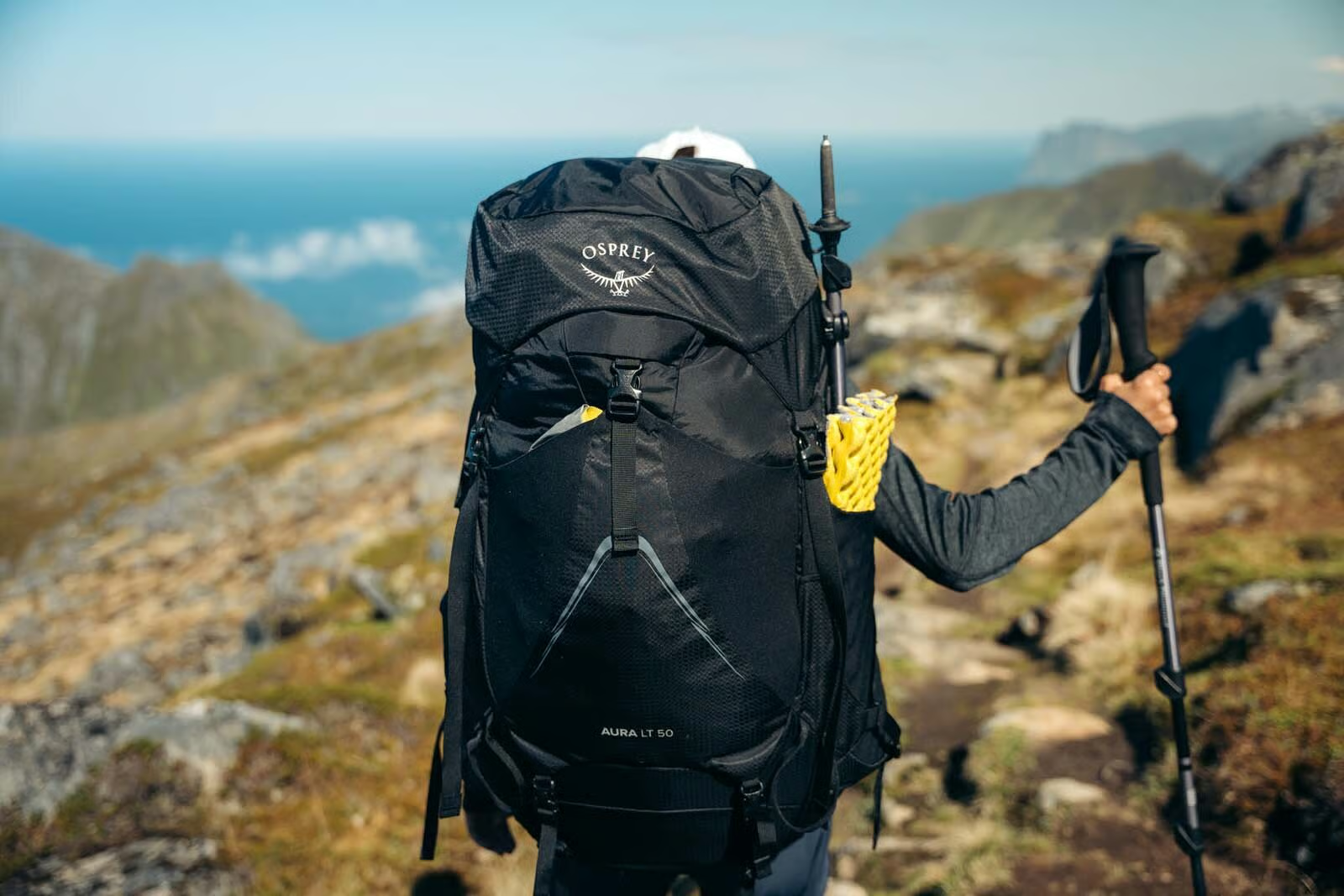
Your backpack is the foundation of your ultralight travel setup. The right pack should be comfortable, durable, and designed to carry your essentials without adding unnecessary weight. Look for backpacks made from lightweight ripstop nylon or similar materials that resist tears while keeping the overall weight down.
A good ultralight backpack typically weighs between one and three pounds when empty. Features like padded shoulder straps, a hip belt for weight distribution, and multiple compartments help organize your gear efficiently. Some budget-friendly options include frameless packs that rely on proper packing techniques to maintain structure.
When choosing a backpack, consider the volume you need based on trip length. A 35 to 45-liter pack works well for weekend trips, while longer adventures might require 50 to 60 liters. Remember that having more space often tempts you to pack more items, so choose the smallest size that meets your needs.
Many affordable brands now offer ultralight backpacks with quality comparable to expensive premium options. Reading reviews from actual travelers and testing the pack with weight before purchasing ensures you find the perfect match for your body type and travel style.
Lightweight Clothing Solutions for Any Climate
Clothing represents a significant portion of pack weight for most travelers. The key to ultralight clothing lies in choosing versatile, quick-drying fabrics that you can wear multiple times between washes. Merino wool and synthetic blends excel in these categories while remaining budget-friendly when purchased strategically.
Instead of packing a different outfit for each day, adopt a layering system that works for various weather conditions. A good base layer regulates body temperature, a mid-layer provides insulation, and an outer shell protects against wind and rain. This approach means you can carry fewer items while staying comfortable in different environments.
Quick-dry fabrics allow you to wash clothes in a sink and have them ready to wear the next morning. This capability dramatically reduces the number of clothing items you need to pack. Many travelers successfully manage week-long trips with just three to four days worth of clothes by washing items every few nights.
Consider multipurpose items like pants that convert to shorts, shirts with hidden pockets for valuables, or jackets that pack down into their own pocket. These clever designs save space and weight while increasing functionality. Shopping during seasonal sales or checking outdoor discount retailers helps you build an ultralight wardrobe without exceeding your budget.
Compact Sleeping Systems for Comfortable Nights
Quality sleep remains essential during any adventure, but traditional sleeping bags and pads can be bulky and heavy. Modern ultralight sleeping solutions combine compressibility with warmth, allowing you to rest well without carrying excessive weight.
Sleeping bags filled with down insulation offer the best warmth-to-weight ratio, though synthetic options work better in wet conditions and cost less. Look for sleeping bags with temperature ratings appropriate for your expected conditions. A three-season bag handles most situations for budget travelers who avoid extreme cold.
Sleeping pads provide insulation from the ground and cushioning for comfort. Inflatable pads pack down smaller than foam alternatives, though they require more care to avoid punctures. Some budget-friendly foam pads weigh only a few ounces and provide adequate comfort for many travelers.
If you prefer hostel or indoor accommodation, a silk sleeping bag liner weighs almost nothing and provides a hygienic barrier between you and questionable bedding. These liners also add warmth to regular sleeping bags when temperatures drop unexpectedly.
Cooking Gear That Saves Weight and Money
Eating out every meal quickly drains your travel budget. Carrying lightweight cooking equipment lets you prepare simple meals, giving you flexibility and saving significant money over time. Ultralight cooking systems have improved dramatically in recent years, offering powerful performance in compact packages.
Small canister stoves weigh just a few ounces and boil water efficiently for coffee, instant meals, and rehydrated foods. Paired with a titanium or aluminum pot, your entire cooking setup can weigh less than a pound. Some travelers use even simpler approaches like alcohol stoves, which weigh almost nothing and use inexpensive fuel.
A single multipurpose utensil like a spork eliminates the need for separate forks and spoons. Collapsible cups and bowls save additional space while providing functionality. Remember that you do not need fancy camping cookware when simple, lightweight options work perfectly well.
Planning meals around foods that require only boiling water simplifies cooking and reduces fuel needs. Instant oatmeal, dehydrated meals, ramen, and instant coffee all prepare quickly and pack efficiently. This approach works especially well for breakfast and lunch, allowing you to enjoy restaurant dinners as a treat.
Water Filtration and Hydration Solutions
Staying hydrated is crucial during any adventure, but carrying enough water adds significant weight. Instead of packing multiple bottles, invest in a reliable water filtration system that lets you safely drink from natural sources along your route.
Lightweight water filters and purification tablets weigh very little while providing peace of mind. Collapsible water bottles or hydration bladders offer more flexibility than rigid bottles, conforming to available space in your pack as water levels decrease. Some travelers use simple one-liter plastic bottles that can be replaced easily if damaged.
In developed areas with safe tap water, carrying a single reusable bottle suffices. Many airports, train stations, and public spaces now offer water refill stations, making it easy to stay hydrated without purchasing bottled water. This approach saves money while reducing plastic waste.
Understanding your hydration needs based on activity level and climate helps you carry the right amount of water. Desert hiking requires more water capacity than urban travel in temperate climates. Flexibility in your hydration system allows you to adjust based on each specific situation.
Technology and Electronics That Stay Light
Modern travelers rely on electronics for navigation, communication, and capturing memories. However, chargers, cables, and devices add up quickly. Streamlining your tech setup while maintaining functionality requires careful planning and smart product choices.
Smartphones now handle tasks that once required multiple devices. They serve as cameras, GPS units, guidebooks, and communication tools all in one. A quality smartphone eliminates the need to carry separate cameras, maps, or entertainment devices for most travelers.
Compact portable chargers ensure your devices stay powered throughout the day. Look for lightweight models with enough capacity to fully charge your phone at least once. Solar chargers work well for extended backcountry trips but add weight that might not justify their inclusion for shorter adventures.
Universal travel adapters with multiple USB ports allow you to charge several devices simultaneously while working in different countries. Cable organizers keep cords tangle-free and easy to access. Investing in high-quality charging cables prevents the frustration of dealing with broken connections during your trip.
Personal Care Items in Minimal Packaging
Toiletries often account for surprising amounts of weight in travel packs. Switching to solid alternatives and sample sizes dramatically reduces both weight and volume. Many affordable options now exist for nearly every personal care product.
Solid shampoo bars, soap bars, and toothpaste tablets work just as well as liquid versions while weighing a fraction of the amount. These products also eliminate concerns about liquid restrictions during air travel. Small containers of sunscreen and any necessary medications round out a minimal toiletry kit.
Microfiber towels dry quickly and pack down incredibly small compared to regular towels. A single towel measuring 20 by 40 inches provides enough surface area for drying after showers while weighing just a few ounces. These towels also work well as picnic blankets or beach mats in a pinch.
Sharing accommodations often provide basic toiletries, so research your planned lodging before packing full-size products. Many travelers successfully manage with just a small ditty bag containing essentials, relying on available amenities when possible.
Planning Your Ultralight Setup for Different Adventures
Different types of travel require different gear priorities. A hiking-focused trip through national parks needs different equipment than urban exploration across European cities. Understanding these distinctions helps you pack appropriately without carrying unnecessary items.
For hiking and camping adventures, prioritize shelter, sleeping systems, and cooking gear. Navigation tools, first aid supplies, and weather-appropriate clothing become more critical. Research specific trail conditions and available amenities to avoid overpacking while ensuring you have essential safety items.
Urban travel allows you to minimize camping gear entirely, focusing instead on comfortable walking shoes, weather layers, and perhaps a small day pack for sightseeing. Access to restaurants, shops, and accommodation facilities means you can travel even lighter than wilderness adventures.
Multi-country trips benefit from versatile clothing that works in different climates and cultural contexts. Quick-dry fabrics and neutral colors create multiple outfit combinations from fewer pieces. A lightweight rain jacket and compact umbrella handle unexpected weather across diverse destinations.
If you are planning your next national park adventure, check out our comprehensive guides on MileTrails.com for detailed information about trails, camping options, and seasonal considerations that will help you pack perfectly for your specific destination.
Making Smart Purchasing Decisions on a Budget
Building an ultralight travel kit does not require buying everything at once or choosing the most expensive options. Strategic shopping and prioritizing key items helps you develop a functional setup within budget constraints.
Start by evaluating gear you already own. Many household items work perfectly well for travel with minor modifications. An old backpack might serve adequately for your first trip while you save for an ultralight upgrade. Kitchen items like lightweight pots often work for camping without purchasing specialized gear.
Sales and clearance sections at outdoor retailers offer significant savings on quality products. End-of-season sales provide particularly good opportunities to purchase clothing and gear at reduced prices. Online marketplaces and outdoor gear swap groups connect you with gently used equipment at fraction of retail costs.
Invest more money in items that directly affect comfort and safety like shoes, sleeping systems, and backpacks. These products justify higher prices because they significantly impact your travel experience. Budget options work fine for less critical items that face minimal stress during normal use.
Reading detailed reviews from actual travelers provides insights into real-world performance and durability. Look for feedback about how products hold up over time and in various conditions. This research prevents purchasing items that seem like bargains but fail quickly.
Frequently Asked Questions About Ultralight Travel
How much should my ultralight pack weigh for a week-long trip?
For a week-long trip, aim for a total pack weight between 15 and 25 pounds including water and food. Your base weight, which excludes consumables, should ideally stay under 20 pounds. This weight allows comfortable travel while carrying everything you need. Individual needs vary based on destination climate, available amenities, and personal comfort preferences.
Can I really travel ultralight on a tight budget?
Absolutely yes. Ultralight travel actually saves money in multiple ways. You avoid checked baggage fees, purchase less gear overall, and can prepare your own meals with lightweight cooking equipment. Starting with what you already own and gradually upgrading key items as budget allows works perfectly well. Many affordable brands now offer quality ultralight products comparable to premium options.
What is the single most important ultralight item to invest in?
Your backpack deserves the most attention and investment. A well-fitting, properly designed pack distributes weight efficiently and prevents pain during long days of travel. While you can manage with budget options for many items, a quality backpack significantly improves your overall experience. Try on packs with weight before purchasing to ensure proper fit.
How do I stay warm with minimal clothing in cold weather?
Layering systems provide warmth without bulk. A good base layer traps heat near your skin, a fleece or down mid-layer adds insulation, and a waterproof shell blocks wind and precipitation. This combination keeps you warm in surprisingly cold conditions. Merino wool base layers offer excellent warmth-to-weight ratios and resist odors between washes.
Is ultralight gear durable enough for rough adventures?
Modern ultralight gear uses advanced materials that balance weight savings with durability. While ultralight items require more careful handling than heavy traditional gear, they hold up well with proper use. Learning basic repair techniques like patching small tears or fixing zippers extends gear life significantly. Many budget-friendly ultralight products prove remarkably durable over years of regular use.
How can I test my ultralight setup before a big trip?
Take shorter overnight or weekend trips close to home to test your gear and packing strategy. These trial runs reveal what works, what you forgot, and what you packed unnecessarily. Adjust your setup based on these experiences before committing to longer adventures. Local parks or nearby trails provide perfect testing grounds without major consequences if something does not work as planned.
Start planning your next adventure with confidence by exploring more helpful travel guides and destination information at MileTrails.com. Our detailed resources cover everything from trail conditions to seasonal planning, helping you prepare for unforgettable experiences.