



Choosing the right footwear for hiking and long-distance travel can make the difference between an amazing adventure and a painful experience. Your feet carry you through every mile of your journey, so investing in proper shoes is one of the most important decisions you will make before hitting the trail or exploring new destinations.
- Understanding Different Types of Travel Footwear
- What Makes Good Hiking and Travel Footwear
- Choosing Footwear Based on Your Destination
- Breaking In Your Footwear Before Your Trip
- Caring for Your Footwear to Extend Their Life
- Additional Footwear Tips for Travelers
- How to Know When Your Shoes Fit Correctly
- FAQs About Footwear for Hiking and Long-Distance Travel
- Start Planning Your Next Adventure
After years of exploring national parks and traveling across different terrains, I have learned that the perfect footwear depends on where you are going, what activities you plan to do, and how your feet respond to different types of shoes. This guide will help you understand everything you need to know about selecting footwear that keeps your feet comfortable, protected, and ready for adventure.
Understanding Different Types of Travel Footwear
When planning your next outdoor adventure, you need to think about the specific demands your feet will face. Different terrains and activities require different types of shoes, and understanding these differences will help you pack the right footwear for your trip.
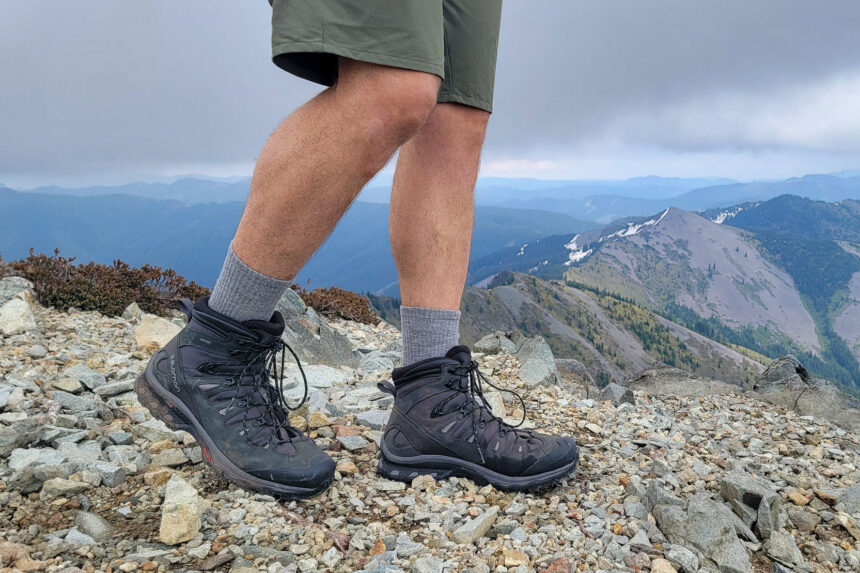
Hiking boots are the traditional choice for mountain trails and rough terrain. These boots provide excellent ankle support and protection from rocks, roots, and uneven ground. They are built tough and can handle heavy loads if you are carrying a backpack. However, they tend to be heavier and take longer to break in compared to other options.
Trail runners have become incredibly popular among hikers in recent years. These lightweight shoes offer great flexibility and breathability, making them perfect for long-distance hiking on well-maintained trails. They dry quickly if they get wet and feel more natural on your feet compared to heavy boots. Many experienced hikers now prefer trail runners for most of their adventures because they reduce fatigue over long distances.
Hiking shoes sit somewhere between boots and trail runners. They provide more support than trail runners but remain lighter than traditional boots. These work well for day hikes and moderate terrain where you want some protection without the bulk of full boots.
Travel shoes designed for walking are essential if your journey involves exploring cities, visiting museums, or walking on paved surfaces between outdoor adventures. These should be comfortable enough to wear all day but still provide adequate support for extended walking.
What Makes Good Hiking and Travel Footwear
The best footwear for hiking and long-distance travel shares several important features. Understanding these qualities will help you evaluate different options and find shoes that work for your specific needs.
Proper fit is the most critical factor in choosing footwear. Your shoes should have enough room in the toe box to wiggle your toes, especially when walking downhill. At the same time, your heel should not slip when you walk. Remember that your feet swell during long hikes, so trying on shoes in the afternoon when your feet are slightly swollen gives you a more accurate fit.
Cushioning and support protect your feet from the constant impact of walking on hard surfaces. Look for shoes with adequate midsole cushioning that absorbs shock without being so soft that you lose stability. The level of cushioning you need depends on your body weight, the terrain you will encounter, and how sensitive your feet are to impact.
Traction becomes crucial when hiking on wet rocks, muddy trails, or loose gravel. The outsole pattern and rubber compound determine how well your shoes grip different surfaces. Deeper lugs generally provide better traction on soft or uneven terrain, while flatter patterns work well on hard-packed trails and pavement.
Breathability keeps your feet comfortable during warm weather and high-intensity activities. Mesh panels allow air to circulate around your feet, reducing moisture buildup and preventing blisters. However, more breathable shoes typically offer less water resistance, so you need to balance these features based on the climate where you will be hiking.
Water resistance matters if you expect to encounter streams, rain, or wet conditions. Waterproof membranes like Gore-Tex keep water out while still allowing some moisture vapor to escape. Keep in mind that waterproof shoes take longer to dry if water does get inside, so they are not always the best choice for every situation.
Choosing Footwear Based on Your Destination
The terrain and climate of your destination should guide your footwear choices. What works perfectly for hiking in the Grand Canyon might not be ideal for exploring Yellowstone or walking through European cities.
For rocky mountain trails with significant elevation gain, you want shoes that provide excellent ankle support and protection from sharp rocks. Traditional hiking boots or sturdy hiking shoes work best in these conditions. The extra weight is worth it when you consider the protection they offer on challenging terrain.
For forest trails with softer ground and moderate elevation changes, trail runners or light hiking shoes are often the best choice. These trails are usually well-maintained and do not require the heavy-duty protection of boots. The lighter weight will help you cover more miles with less fatigue.
For desert hiking where the terrain is often sandy or hard-packed, breathability becomes more important than water resistance. Choose shoes with good ventilation to keep your feet cool in hot conditions. You also want shoes that dump sand easily rather than collecting it.
For long-distance travel that combines outdoor activities with city exploration, bringing two pairs of shoes makes sense. Pack your hiking shoes or trail runners for outdoor adventures and a comfortable pair of travel shoes for urban walking. This approach ensures you have the right footwear for every situation without carrying unnecessary weight.
Breaking In Your Footwear Before Your Trip
Never wear brand new shoes on a long hike or extended trip. Breaking in your footwear properly prevents blisters and ensures your shoes feel comfortable when you need them most.
Start wearing your new shoes around the house for short periods. This allows the materials to begin conforming to your feet without risking serious discomfort. After a few days of indoor wear, take your shoes on short walks around your neighborhood.
Gradually increase the distance and difficulty of your walks while wearing your new shoes. Pay attention to any hot spots or areas of discomfort. If you notice consistent rubbing in certain areas, you may need to adjust your lacing technique or consider different socks.
Most hiking shoes and boots need about 30 to 50 miles of walking before they feel fully broken in. Plan to complete this break-in period at least a few weeks before your trip. This gives you time to address any fit issues or exchange the shoes if they are not working out.
Trail runners typically require less break-in time than traditional boots, often feeling comfortable after just a few short hikes. However, you should still test them thoroughly before relying on them for a major adventure.
Caring for Your Footwear to Extend Their Life
Proper maintenance keeps your hiking and travel footwear performing well for many adventures. Taking care of your shoes after each trip protects your investment and ensures they are ready when you need them.
Clean your shoes after every hike, especially if they got muddy or wet. Remove loose dirt with a soft brush and wipe down the uppers with a damp cloth. For stubborn dirt, use a mild soap solution and rinse thoroughly. Never put your hiking shoes in the washing machine, as this can damage the materials and adhesives.
Dry wet shoes slowly at room temperature, stuffing them with newspaper to absorb moisture and help them maintain their shape. Avoid placing them near heaters or in direct sunlight, as excessive heat can damage the materials and cause the glue to fail.
Store your footwear in a cool, dry place away from direct sunlight. Keeping them loosely laced helps them maintain their shape. If you will not be using your shoes for an extended period, make sure they are completely dry before storing them to prevent mold and mildew.
Replace your hiking footwear when you notice significant wear on the outsoles, compression of the midsole cushioning, or damage to the uppers. Most hiking shoes last between 500 and 800 miles depending on the terrain and how well you maintain them. Continuing to use worn-out shoes increases your risk of injury and reduces your comfort on the trail.
Additional Footwear Tips for Travelers
Bringing the right socks is just as important as choosing the right shoes. Invest in quality hiking socks made from merino wool or synthetic materials that wick moisture away from your skin. Avoid cotton socks, as they retain moisture and increase your risk of blisters.
Consider packing lightweight camp shoes or sandals for wearing around your accommodation in the evening. Giving your feet a break from your hiking shoes helps them recover and reduces the overall weight you need to carry in your main footwear.
For international travel, wear your bulkiest shoes on the plane to save space in your luggage. This also ensures you have your most important footwear with you even if your checked bags get delayed.
If you are planning multiple outdoor adventures, explore the extensive collection of hiking guides and trail recommendations on MileTrails.com. You will find detailed information about terrain conditions, difficulty levels, and what to expect on trails across America’s most beautiful national parks.
How to Know When Your Shoes Fit Correctly
A proper fit is essential for comfortable hiking and travel. Your shoes should feel snug but not tight, with about a thumb’s width of space between your longest toe and the end of the shoe. This extra room prevents your toes from hitting the front of the shoe when walking downhill.
Your heel should stay in place when you walk, with minimal slipping. If your heel lifts significantly with each step, you need a smaller size or different lacing technique. Try different lacing patterns to customize the fit around your ankles and across the top of your foot.
Walk on an incline while trying on shoes to check the fit going uphill and downhill. Your toes should not touch the front when walking downhill, and your heel should not slip when climbing.
Remember that different brands fit differently, so you may wear different sizes in different shoe models. Always try on both shoes and walk around the store for at least ten minutes before making your decision.
FAQs About Footwear for Hiking and Long-Distance Travel
What is the difference between hiking boots and trail running shoes?
Hiking boots provide more ankle support and protection from rocks and roots, making them better for rough terrain and heavy backpacking. Trail running shoes are lighter and more flexible, which reduces fatigue on well-maintained trails and allows for faster movement. Trail running shoes also dry faster and require less break-in time. Choose boots for challenging terrain with heavy loads, and trail runners for moderate trails and long distances where weight matters.
How often should I replace my hiking footwear?
Most hiking shoes and boots last between 500 and 800 miles depending on the terrain, your weight, and how well you maintain them. Replace your footwear when you notice the tread wearing smooth, the midsole feeling compressed and less cushioned, or any damage to the uppers. Worn-out shoes provide less traction and support, which can lead to injuries and discomfort on the trail.
Do I need waterproof shoes for hiking?
Waterproof shoes are helpful if you will be hiking in wet conditions, crossing streams, or dealing with rain and snow. However, they have some drawbacks including slower drying time if water gets inside and reduced breathability in warm weather. For most summer hiking on dry trails, breathable non-waterproof shoes keep your feet more comfortable. Consider the climate and conditions of your specific destination when deciding.
Can I wear regular sneakers for hiking?
Regular sneakers lack the traction, support, and durability needed for most hiking trails. They work fine for short walks on paved paths but will not protect your feet adequately on rocky or uneven terrain. The soles wear out quickly on rough surfaces, and the lack of support can lead to foot pain and injuries. Invest in proper hiking footwear for a safer and more comfortable experience.
How tight should hiking shoes feel?
Hiking shoes should feel snug but not tight. You should be able to wiggle your toes freely, and there should be about a thumb’s width of space between your longest toe and the end of the shoe. Your heel should stay in place without slipping when you walk. The shoes may feel slightly stiff when new but should never cause pain or numbness. If you feel pressure points or your feet go numb, the shoes are too tight.
Should I size up for hiking shoes?
Many people size up a half size or full size from their regular shoe size to accommodate foot swelling during long hikes and to provide extra room for thick hiking socks. Try on hiking shoes in the afternoon when your feet are slightly swollen and wear the socks you plan to hike in. Walk around the store and pay attention to how the shoes feel, especially when walking downhill.
Start Planning Your Next Adventure
Choosing the right footwear sets the foundation for comfortable and enjoyable hiking and travel experiences. Take time to research different options, try on multiple styles, and break in your shoes properly before your trip. Your feet will thank you with every mile you travel.
Ready to explore amazing trails across America? Visit MileTrails.com to discover comprehensive hiking guides, trail recommendations, and expert tips for exploring national parks and outdoor destinations. Whether you are planning your first hike or your hundredth, you will find everything you need to make your adventure unforgettable.