
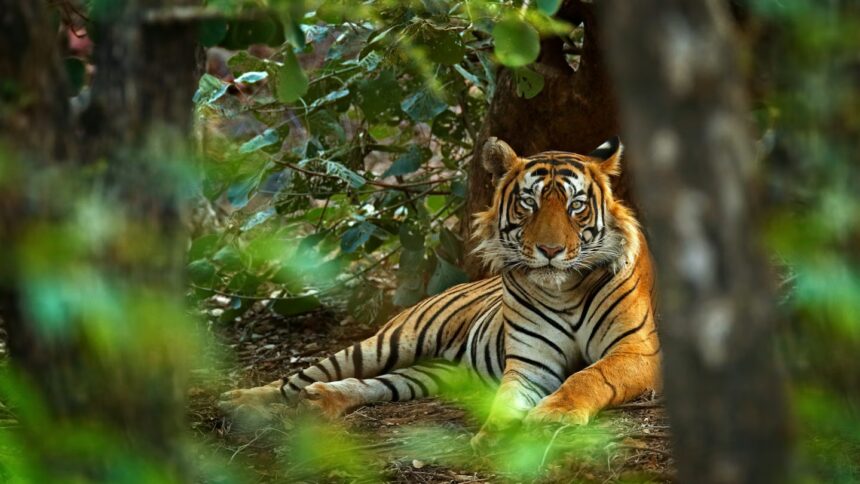
If you love watching animals in their natural homes and taking beautiful pictures of them, national parks offer some of the most amazing opportunities in the world. These protected areas are like nature’s safe spaces where wild animals live freely, and visitors can observe them from a respectful distance. Whether you are just starting with photography or have been doing it for years, choosing the right national park can make your wildlife adventure truly special.
- Why National Parks Are Perfect for Wildlife Photography
- Yellowstone National Park: The Wildlife Photography Capital
- Grand Teton National Park: Majestic Backgrounds for Wildlife
- Denali National Park: Alaska’s Wilderness Showcase
- Everglades National Park: Unique Wetland Wildlife
- Katmai National Park: Bears and Salmon
- Great Smoky Mountains: Accessible Wildlife in the East
- Olympic National Park: Coastal and Mountain Wildlife
- Tips for Successful Wildlife Photography in National Parks
- Frequently Asked Questions About Wildlife Photography in National Parks
- What is the best time of year for wildlife photography in national parks?
- Do I need expensive camera equipment for wildlife photography?
- How close can I get to wild animals for photography?
- What should I do if I encounter a bear while photographing?
- Can I use drones to photograph wildlife in national parks?
- What camera settings work best for wildlife photography?
Finding the perfect spot for wildlife viewing requires understanding where animals gather, when they are most active, and what kind of terrain works best for photography. The United States has many incredible national parks, but some stand out as exceptional destinations for anyone interested in capturing stunning wildlife moments through their camera lens.
Why National Parks Are Perfect for Wildlife Photography
National parks protect millions of acres of wilderness where animals can roam without the pressures they face in developed areas. These protected lands provide stable ecosystems where different species thrive together. When you visit these parks, you step into their world rather than bringing them into yours.
The variety of habitats found across different parks means you can photograph desert animals, mountain creatures, ocean dwellers, and forest residents all within the national park system. Each environment offers unique lighting conditions, backgrounds, and animal behaviors that create diverse photography opportunities.
Park rangers and wildlife experts manage these areas to ensure both animal welfare and visitor safety. This management means you can often predict where certain animals might appear during specific seasons, making trip planning much more effective. Many parks also offer guided tours and educational programs that teach visitors about animal behavior patterns.
Yellowstone National Park: The Wildlife Photography Capital
Yellowstone stands as perhaps the most famous wildlife destination in America, and for good reason. This massive park stretches across Wyoming, Montana, and Idaho, covering over two million acres of diverse terrain. The park hosts the largest concentration of mammals in the lower 48 states.
The Lamar Valley area within Yellowstone has earned the nickname “America’s Serengeti” because of the incredible numbers of large animals that gather there. Early mornings in Lamar Valley often reveal wolves hunting, grizzly bears foraging, and massive bison herds moving across golden grasslands. The lighting during sunrise creates perfect conditions for dramatic wildlife photography.
Elk are everywhere in Yellowstone, especially during fall when the males bugle to attract mates. This rutting season provides photographers with action-packed scenes and the haunting sounds of bull elk challenging each other. The thermal features in Yellowstone also create unique photo opportunities when animals gather near warm springs during cold winter months.
Black bears and grizzly bears both live throughout the park. Spring brings mothers with cubs out of their dens, while late summer and fall sees bears fattening up before winter. Always maintain safe distances when photographing bears, using telephoto lenses to capture closeup images without disturbing these powerful animals.
Grand Teton National Park: Majestic Backgrounds for Wildlife
Located just south of Yellowstone, Grand Teton National Park offers something special that many other parks cannot match. The dramatic Teton Range rises sharply from the valley floor, creating spectacular backdrops for wildlife photographs. Imagine capturing a moose standing in a pond with snow-capped mountains reflected in the water behind it.
Moose frequent the willow flats and marshy areas around the Snake River. Early morning and evening hours provide the best chances to spot these massive animals. Their dark coloring contrasts beautifully against the lighter landscape, making for striking images.
Pronghorn antelope roam the sagebrush flats in large numbers. These incredibly fast animals can be challenging to photograph, but their graceful movements and curious nature reward patient photographers. The park also hosts healthy populations of elk, mule deer, and bighorn sheep.
Oxbow Bend remains one of the most photographed locations in the entire national park system. This peaceful stretch of the Snake River attracts moose, otters, beavers, and numerous bird species. The calm water creates mirror-like reflections of Mount Moran, especially during still mornings.
Denali National Park: Alaska’s Wilderness Showcase
Denali National Park in Alaska represents true wilderness on a scale that few places can match. The park covers six million acres, but only one road penetrates into the interior. This limited access actually benefits wildlife viewers because animals have become somewhat accustomed to vehicles on the single park road.
Grizzly bears are commonly seen from the park road, often digging for ground squirrels or grazing on berries. The open tundra landscape means you can often watch bears from safe distances while still getting excellent photographs. The variety of coat colors among Denali’s grizzlies ranges from almost blonde to dark chocolate brown.
Dall sheep live on the rocky mountainsides throughout the park. Their pure white coats stand out against gray cliffs and green vegetation. Watching rams clash during the fall rut provides exciting photography opportunities, though you will need a good telephoto lens to capture the action from appropriate distances.
Caribou migrate through Denali in herds that can number in the thousands. These movements create dynamic scenes as the animals cross rivers, climb ridges, and navigate the landscape together. Wolves hunt throughout the park, and while seeing them requires patience and luck, Denali offers better wolf viewing chances than most places.
Everglades National Park: Unique Wetland Wildlife
The Everglades in Florida offers completely different wildlife photography opportunities compared to mountain parks. This massive wetland ecosystem hosts species found nowhere else in the United States. The subtropical climate means wildlife remains active year-round, though the dry season from December through April concentrates animals around remaining water sources.
American alligators are everywhere in the Everglades, and the winter dry season brings them together in large numbers at shrinking pools. Watching these prehistoric-looking reptiles interact provides endless photography subjects. Their eyes reflecting light at dawn or dusk create particularly compelling images.
The Everglades serves as a bird photography paradise. Roseate spoonbills, great blue herons, white ibis, and wood storks gather at productive feeding areas. The Anhinga Trail offers easy walking access to spots where birds hunt and nest close enough for incredible photos. Wading birds often allow close approaches when they focus on catching fish.
The park also protects the endangered Florida panther, though seeing one requires exceptional luck. Other mammals like river otters, bobcats, and white-tailed deer live throughout the wetlands. Manatees frequent the coastal waters during winter months when they seek warmer temperatures.
Katmai National Park: Bears and Salmon
Katmai National Park in Alaska has become world-famous for one particular wildlife spectacle. Each summer, brown bears gather at Brooks Falls to catch salmon swimming upstream to spawn. The concentration of bears at this location creates photography opportunities found nowhere else on Earth.
During peak season in July, you might see a dozen or more bears fishing at the falls simultaneously. Bears stand at the top of the waterfall, catching leaping salmon in midair. This action happens repeatedly throughout the day, giving photographers countless chances to capture the perfect moment.
The viewing platforms at Brooks Falls allow safe observation and photography from fixed positions. While this limits movement compared to other locations, it ensures visitor safety while providing excellent angles on the bear activity. The park requires permits and advance planning, but the experience rewards the effort.
Beyond Brooks Falls, Katmai offers wilderness experiences with bears fishing along rivers, digging for clams on tidal flats, and raising cubs in remote valleys. The park hosts one of the largest protected brown bear populations in the world.
Great Smoky Mountains: Accessible Wildlife in the East
Great Smoky Mountains National Park on the Tennessee-North Carolina border attracts more visitors than any other national park. Despite heavy visitation, the park maintains healthy wildlife populations and offers excellent viewing opportunities. The diverse forest environments support incredible biodiversity.
Black bears thrive throughout the Smokies, and the park hosts approximately 1,500 of them. Spring brings cubs out with their mothers, while summer sees bears foraging for berries and insects. Cades Cove, a historic valley within the park, provides some of the best bear viewing, especially during early morning and evening hours.
White-tailed deer are common throughout the park and often allow close approaches. The historic buildings and split-rail fences in Cades Cove create beautiful settings for deer photography. Fall colors in the Smokies provide stunning backdrops for wildlife images.
The park also protects elk that were reintroduced in 2001. These animals have established breeding populations in Cataloochee Valley and parts of Cherokee National Forest. Watching bull elk compete during the fall rut creates memorable experiences, and the valley setting offers manageable photography conditions.
Olympic National Park: Coastal and Mountain Wildlife
Olympic National Park in Washington state combines three distinct ecosystems in one park. The rugged Pacific coastline, temperate rainforests, and alpine mountains each host different wildlife communities. This diversity means photographers can capture dramatically different subjects within the same park.
Roosevelt elk, the largest elk subspecies in North America, roam throughout Olympic. The Hoh Rainforest and surrounding valleys host substantial herds. These massive animals moving through moss-draped old-growth forests create magical photography scenes. The soft light filtering through the rainforest canopy provides beautiful, even illumination.
The coastal areas of Olympic offer unique opportunities to photograph marine mammals and seabirds. Harbor seals rest on offshore rocks, while sea otters float in kelp beds. Tidepools teem with colorful sea stars, anemones, and other marine life that make excellent macro photography subjects.
Black bears, mountain goats, and black-tailed deer all live in different park zones. The Hurricane Ridge area provides access to alpine environments where marmots and mountain goats can be photographed against sweeping mountain vistas.
Tips for Successful Wildlife Photography in National Parks
Planning your visit around animal activity patterns dramatically improves your chances of great sightings. Most mammals are most active during the cooler hours around dawn and dusk. Arriving at prime viewing areas before sunrise positions you perfectly for morning activity.
Understanding animal behavior helps you anticipate movements and capture better images. Learning how elk behave during the rut, how bears react to other bears, or when birds are likely to hunt allows you to be ready when action happens. Park visitor centers offer valuable information about current wildlife activity and recent sightings.
Equipment choices matter significantly for wildlife photography. A telephoto lens in the 300-600mm range allows you to photograph animals from safe, respectful distances. A sturdy tripod or monopod helps stabilize long lenses and prevents camera shake. Extra batteries and memory cards ensure you never miss shots because of equipment limitations.
Always prioritize animal welfare over getting a photograph. If an animal changes its behavior because of your presence, you are too close. Never approach, feed, or attempt to attract wildlife for photos. These actions endanger both you and the animals while violating park regulations.
Weather conditions affect both animal activity and image quality. Overcast days provide soft, even lighting that works beautifully for wildlife portraits. Light rain or mist creates atmospheric conditions that add mood to images. However, protecting your camera equipment from moisture becomes essential.
If you want to learn more about planning incredible national park adventures, visit MileTrails for comprehensive guides, trip planning resources, and insider tips that help you make the most of every park visit. Our detailed destination guides cover everything from best seasons to visit specific parks to recommended photography locations.
Frequently Asked Questions About Wildlife Photography in National Parks
What is the best time of year for wildlife photography in national parks?
The ideal time varies by park and target species. Spring offers newborn animals and active wildlife emerging from winter. Fall features dramatic behaviors like elk rutting and bears preparing for hibernation. Summer provides long daylight hours and accessibility to high-elevation areas. Winter concentrates animals in valleys and creates unique snowy landscapes, though some park roads close. Research your specific destination and target animals to choose the optimal season.
Do I need expensive camera equipment for wildlife photography?
While professional equipment helps, you can capture great wildlife images with modest gear. A camera with good autofocus and a telephoto lens around 300mm provides a solid starting point. Many excellent wildlife photographers use crop-sensor cameras because they effectively increase lens reach. Investing in quality glass matters more than having the latest camera body. Practice and understanding animal behavior improve results more than expensive equipment alone.
How close can I get to wild animals for photography?
National parks establish specific distance requirements for different animals. You must stay at least 100 yards from bears and wolves, and 25 yards from other large animals like bison, elk, and moose. These distances protect both visitors and wildlife. Use telephoto lenses to create closeup images while maintaining safe distances. If an animal approaches you, slowly increase distance to maintain the required separation.
What should I do if I encounter a bear while photographing?
Stay calm and never run, as this can trigger chase instincts. Make yourself appear large, speak in calm tones, and slowly back away while facing the bear. Never position yourself between a mother and cubs. Carry bear spray in bear country and know how to use it. If a bear approaches, it usually indicates you are too close to something important to the bear, so create distance immediately.
Can I use drones to photograph wildlife in national parks?
Drone use is prohibited in nearly all national parks to prevent wildlife disturbance and maintain the natural soundscape. Flying drones in national parks can result in significant fines and confiscation of equipment. This regulation protects wildlife from stress caused by unfamiliar aerial objects and preserves the wilderness experience for other visitors.
What camera settings work best for wildlife photography?
Use shutter priority or manual mode to maintain fast shutter speeds that freeze animal movement. Speeds of 1/500 second or faster work well for most wildlife, while birds in flight may require 1/1000 second or higher. Set your camera to continuous autofocus mode to track moving subjects. Use continuous shooting mode to capture sequences of behavior. Adjust ISO as needed to maintain proper exposure while keeping shutter speeds high enough to prevent blur.
Start planning your wildlife photography adventure today by exploring the incredible national parks across America. Each park offers unique opportunities to connect with nature and capture images that tell powerful stories about the wild animals that call these protected lands home. Remember that every great wildlife photograph begins with respect for the animals and their environment, patience to wait for the right moment, and preparation to make the most of the opportunities these special places provide.