




Hiking offers an amazing way to connect with nature, challenge yourself physically, and discover breathtaking landscapes that many people never get to see. However, heading out on a trail without proper preparation can quickly turn an exciting adventure into a dangerous situation. Whether you are planning a short walk through local trails or an extended backpacking trip in remote wilderness areas, understanding basic hiking safety principles can make the difference between a memorable experience and a risky emergency.
Every year, thousands of hikers face preventable accidents because they skip essential safety steps. From getting lost in unfamiliar territory to dealing with sudden weather changes, the wilderness presents unique challenges that require knowledge and preparation. This comprehensive guide will walk you through everything you need to know to stay safe on the trails, regardless of your experience level.
Understanding Your Trail Before You Start
Before you lace up your hiking boots, taking time to research your chosen trail is absolutely essential. Many hikers make the mistake of showing up at a trailhead without knowing what to expect, which can lead to serious problems.
Start by checking the difficulty rating of the trail. Trails are typically marked as easy, moderate, or difficult based on factors like distance, elevation gain, and terrain type. If you are new to hiking, choosing an easy or moderate trail helps you build confidence and stamina without overwhelming yourself. Even experienced hikers should review trail descriptions carefully, as difficulty can vary significantly between different regions and parks.
Look up recent trail reports and reviews from other hikers who have recently completed the route. These reports often mention current trail conditions, such as muddy sections, fallen trees, stream crossings, or wildlife sightings that official descriptions might not include. Websites and apps dedicated to hiking often have updated user reviews that provide valuable real-time information.
Understanding the length and expected hiking time for your chosen trail helps you plan your start time appropriately. A common mistake is starting too late in the day, which can result in hiking in darkness or rushing to finish before sunset. Always add extra time to the estimated duration to account for breaks, photos, and unexpected delays.
Essential Gear and Clothing for Safe Hiking
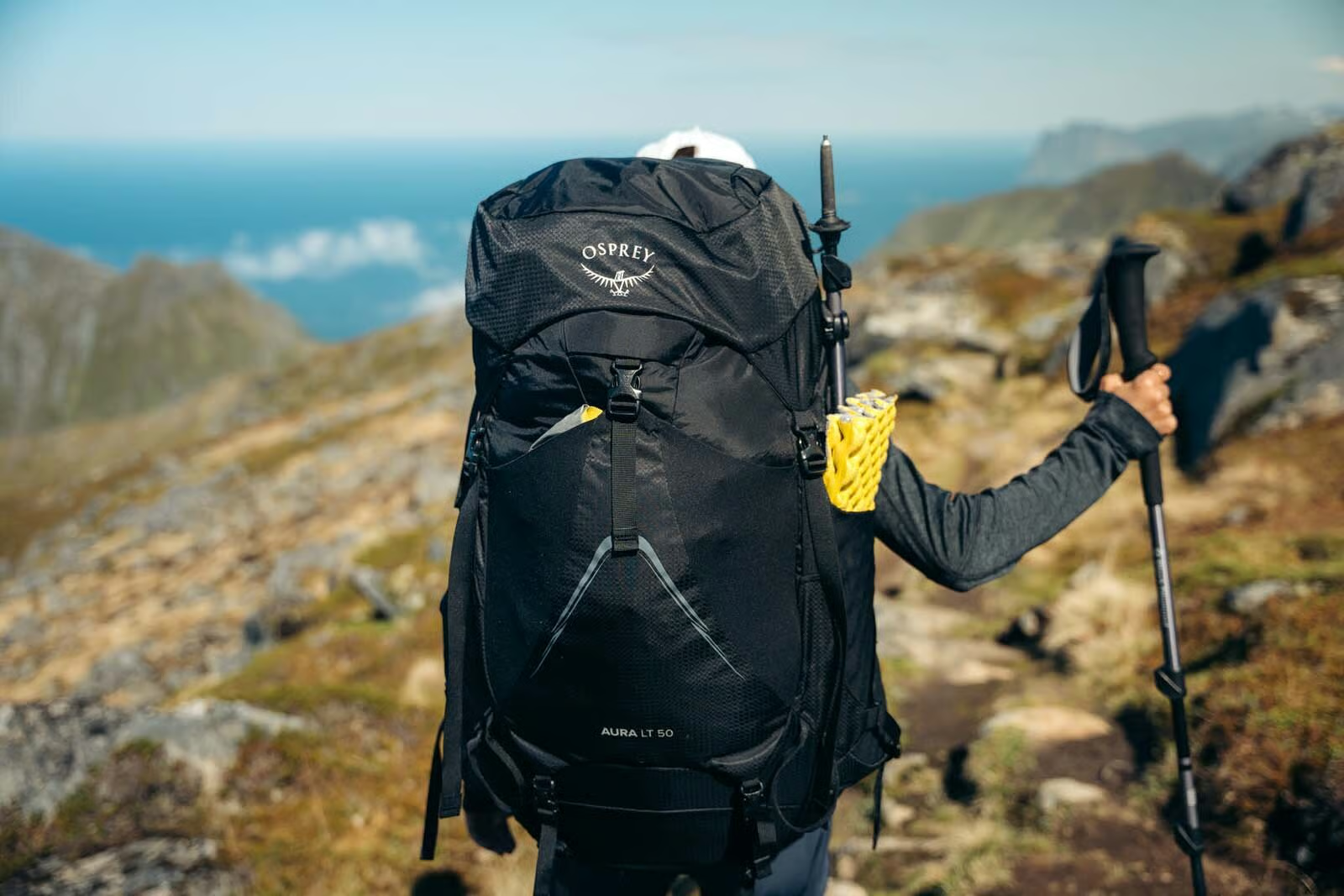
What you bring on a hike can directly impact your safety and comfort. While the specific items you need depend on the trail length and conditions, certain essentials should always be in your backpack.
Water is your most critical item. Dehydration causes fatigue, poor decision-making, and serious health issues. Bring at least two liters of water for a half-day hike, and more for longer or hotter conditions. Consider carrying a water filter or purification tablets if you will be hiking in areas with natural water sources, allowing you to refill your supply safely.
A basic first aid kit should include bandages, antiseptic wipes, pain relievers, blister treatment, and any personal medications you need. Even minor injuries like blisters or small cuts can become major problems if left untreated on the trail. Knowing how to use everything in your first aid kit is just as important as carrying it.
Navigation tools prevent you from getting lost. While smartphone apps with GPS capabilities are helpful, they should not be your only navigation method. Batteries die, signals disappear, and devices can break or get wet. Bring a physical map of the area and a compass, and learn how to use them before your hike. Many parks offer free trail maps at visitor centers or trailheads.
Wearing appropriate clothing makes a huge difference in your hiking experience. Dress in layers that you can add or remove as your body temperature changes throughout the hike. Avoid cotton clothing, which stays wet from sweat or rain and can lead to dangerous body temperature drops. Instead, choose moisture-wicking synthetic fabrics or merino wool that dry quickly and maintain insulation even when damp.
Sturdy hiking shoes or boots with good ankle support and traction help prevent twisted ankles and provide stability on uneven terrain. Break in new footwear before your hike to avoid painful blisters that can cut your adventure short.
Weather Awareness and Planning
Weather conditions in mountainous and wilderness areas can change rapidly and dramatically. What starts as a sunny morning can transform into a thunderstorm by afternoon, creating dangerous situations for unprepared hikers.
Check the weather forecast for your hiking area before you leave home, but understand that mountain weather is notoriously unpredictable. Even with a favorable forecast, pack rain gear and extra layers. Hypothermia can occur even in temperatures above freezing when combined with wind and moisture, so staying dry is crucial for maintaining safe body temperature.
Lightning poses a serious threat during thunderstorms, especially on exposed ridges and peaks. If you hear thunder, you are already in danger from lightning strikes. The general rule is to descend from high exposed areas immediately when storms approach. Avoid seeking shelter under isolated trees, which attract lightning. Instead, crouch low in a valley or depression if caught in a storm, staying away from metal objects and water.
Heat exhaustion and heat stroke are real dangers during summer hiking, particularly in desert environments or during strenuous climbs. Recognize the warning signs, which include excessive sweating, dizziness, nausea, rapid heartbeat, and confusion. Rest in shade, drink water slowly, and cool your body with wet cloths if you experience these symptoms.
Staying on Marked Trails and Navigation Skills
One of the simplest yet most important safety rules is to stay on marked trails. Wandering off established paths increases your risk of getting lost, encountering dangerous terrain, and damaging fragile ecosystems that take years to recover.
Trail markers come in various forms, including painted blazes on trees, rock cairns in areas above the tree line, and wooden or metal signs at junctions. Pay attention to these markers and check them frequently, especially at trail intersections where wrong turns are common. If you have not seen a trail marker in a while, stop and backtrack to the last confirmed marker rather than continuing forward and potentially getting more lost.
If you do become disoriented, stay calm and resist the urge to panic or rush in any direction. Stop, sit down, and carefully assess your situation. Look at your map and try to identify landmarks you can see. If you have cell service, try calling for help or using your GPS. If you are completely lost and cannot find the trail, staying put makes it easier for rescuers to find you, especially if you told someone your hiking plans before leaving.
Many hiking areas offer well-maintained trail systems that make navigation relatively straightforward. Exploring trails in national parks provides excellent opportunities to practice navigation skills in safe environments. Consider starting with popular destinations where trails are clearly marked and heavily trafficked before attempting more remote routes.
Wildlife Safety and Awareness
Encountering wildlife is one of the most exciting aspects of hiking, but it requires caution and respect. Different animals present different risks, and knowing how to respond appropriately keeps both you and the wildlife safe.
Making noise while you hike helps prevent surprising animals, particularly bears. Talk with your hiking companions, clap occasionally, or use bear bells in areas known for bear activity. Most wildlife will move away when they hear humans approaching, avoiding confrontations altogether.
If you do encounter a bear, stay calm and do not run. Running can trigger a chase response. Instead, make yourself appear larger by raising your arms, speak in a firm but calm voice, and slowly back away while keeping the bear in sight. If a bear approaches, use bear spray if you are carrying it. Never get between a mother bear and her cubs, as protective mothers are particularly dangerous.
Smaller animals like snakes, spiders, and insects can also pose risks. Watch where you place your hands and feet, especially when climbing over rocks or logs. Wearing long pants and closed-toe shoes provides basic protection against bites and stings. If bitten or stung, try to identify the creature if possible, and seek medical attention for serious reactions.
Store food properly and never feed wildlife. Animals that become accustomed to human food can become aggressive and lose their natural foraging skills. Use bear-proof containers in areas where they are required, and hang food from trees using proper techniques when camping in the backcountry.
Hiking with Others and Communication
Hiking with a partner or group is significantly safer than hiking alone. If someone gets injured or encounters problems, having others present means immediate help is available. Even on well-traveled trails, solo hikers face higher risks.
Before starting your hike, always tell someone who is not going with you about your plans. Provide specific details including which trail you are hiking, your expected return time, and what to do if you do not check in by a certain time. This simple step ensures someone will raise the alarm if you do not return as planned.
When hiking in a group, stay together and adjust your pace to accommodate the slowest member. Splitting up on the trail can lead to people getting lost or separated, making it harder to help each other if problems arise. Establish regular check-in points where the group stops together to ensure everyone is accounted for and feeling well.
Cell phone coverage is often unreliable in wilderness areas, so do not depend on your phone as your primary safety tool. However, having a fully charged phone can be valuable in emergencies if you happen to find signal. Consider carrying a portable power bank to recharge devices on longer hikes.
For those planning to explore remote areas regularly, investing in a personal locator beacon or satellite messenger provides an emergency communication option when traditional cell service is unavailable. These devices can send distress signals to rescue services even from the most isolated locations.
Recognizing and Responding to Emergencies
Despite careful planning, emergencies can still happen on the trail. Knowing how to recognize and respond to common hiking emergencies can save lives.
Injuries from falls are among the most common hiking accidents. If someone in your group becomes injured, assess the severity before deciding whether to continue hiking or call for rescue. Minor scrapes and bruises can be treated with your first aid kit, but fractures, deep cuts, or head injuries require professional medical attention.
Knowing basic first aid techniques specific to wilderness situations is invaluable. Consider taking a wilderness first aid course, which teaches you how to handle medical emergencies when professional help is hours away. These courses cover topics like treating shock, immobilizing fractures, managing severe bleeding, and recognizing serious conditions that require evacuation.
If you need to call for emergency help, try to provide rescuers with as much specific information as possible about your location. Use trail markers, GPS coordinates, or recognizable landmarks to describe where you are. Stay put once you have called for help unless your current location poses immediate danger, as moving makes it harder for rescuers to find you.
Frequently Asked Questions
What should I do if I get lost on a hiking trail?
Stop moving as soon as you realize you might be lost. Sit down, stay calm, and try to retrace your steps mentally to the last place you recognized. Check your map and look for identifiable landmarks around you. If you cannot determine your location, stay where you are, make yourself visible by moving to an open area if safe to do so, and call for help if you have cell service. Most search and rescue teams say staying put makes you much easier to find.
How much water should I bring on a day hike?
A general guideline is to bring at least half a liter of water per hour of hiking in moderate conditions. For a four-hour hike, pack at least two liters, and increase this amount during hot weather or strenuous climbs. Your water needs vary based on temperature, humidity, elevation, your fitness level, and how much you sweat. Bringing slightly more water than you think you need is always safer than running out.
Is it safe to hike alone as a beginner?
Beginners should avoid hiking alone until they gain more experience and confidence on trails. Start by hiking with experienced friends or joining organized hiking groups where you can learn safety skills. If you eventually decide to hike solo, begin with short, well-traveled trails in areas with good cell phone coverage, always tell someone your plans, and bring proper safety equipment.
What are the most important items in a hiking first aid kit?
Your hiking first aid kit should include adhesive bandages in various sizes, gauze pads, medical tape, antiseptic wipes, pain relievers like ibuprofen, blister treatment, tweezers, and any prescription medications you need. For longer hikes, add elastic bandages for sprains, antihistamines for allergic reactions, and a small emergency blanket. Customize your kit based on personal medical needs and the specific risks of your hiking destination.
How can I avoid getting blisters while hiking?
Preventing blisters starts with wearing properly fitted hiking shoes that you have broken in before your trip. Wear moisture-wicking socks and avoid cotton, which holds moisture against your skin. At the first sign of hot spots or rubbing, stop and apply moleskin or blister tape to prevent the blister from forming. Keeping your feet dry and changing socks if they become wet also helps prevent blisters during long hikes.
What should I do if I encounter a wild animal on the trail?
Stay calm and do not run, as running can trigger predatory instincts in many animals. Give the animal plenty of space and slowly back away while facing it. Make yourself appear larger if the animal seems aggressive, and make noise to scare it away. Never approach or feed wild animals. For specific animals like bears or mountain lions, different response strategies apply, so research the wildlife you might encounter in your hiking area before you go.
Planning your next hiking adventure requires careful consideration of safety factors that protect you and enhance your enjoyment of the outdoors. At MileTrails, we provide comprehensive guides to help you explore beautiful trails safely and confidently. Start planning your next outdoor adventure today by exploring our trail guides and safety resources that make every hike a success.
Understanding and implementing these hiking safety tips transforms potentially dangerous situations into manageable challenges. The wilderness offers incredible rewards for those who approach it with respect, preparation, and knowledge. Take the time to prepare properly, invest in essential safety gear, and continue learning about outdoor skills as you gain experience on the trails.