




Planning a weekend escape does not have to drain your bank account. With careful planning and smart choices, you can enjoy amazing weekend getaways across the United States for less than $200 per person. Whether you want to explore national parks, relax by the beach, or discover charming small towns, affordable travel options are waiting for you.
- Why Weekend Getaways Are Perfect for Budget Travelers
- Top Affordable Weekend Destinations Under $200
- Money-Saving Tips for Your Weekend Getaway
- Planning Your Budget Weekend Getaway
- Making the Most of Your Limited Time
- Seasonal Considerations for Budget Travel
- Safety and Practical Considerations
- Frequently Asked Questions
- What is the cheapest way to plan a weekend getaway?
- How far in advance should I book a budget weekend trip?
- Can I really take a weekend trip for under $200 per person?
- What are the best months for affordable weekend getaways?
- How can I save money on food during a weekend trip?
- Are weekend getaways worth it for such a short time?
- What should I pack for a budget weekend getaway?
- How do I find hidden gems and avoid tourist traps?
This guide will show you how to plan the perfect budget weekend trip, where to go, and how to make the most of your money. We have helped thousands of travelers find incredible destinations that fit their budget, and now we are sharing these secrets with you.
Why Weekend Getaways Are Perfect for Budget Travelers
Weekend trips offer the best value for your money compared to longer vacations. You only need to budget for two nights of accommodation and a few meals, which keeps costs low. Most destinations in the US are within a few hours of major cities, so you can drive instead of flying and save hundreds of dollars on airfare.
Short trips also mean you can take more vacations throughout the year. Instead of spending all your vacation days and money on one big trip, you can explore different places every few months. This approach gives you more travel experiences and memories without the financial stress.
The beauty of weekend getaways is their flexibility. You can plan them around three-day weekends, special events, or simply when you need a break from daily life. Since you are only gone for a couple of days, you do not need extensive planning or complicated itineraries.
Top Affordable Weekend Destinations Under $200
National Parks and Natural Wonders
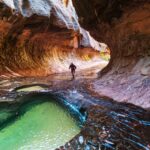
America’s national parks offer some of the most affordable weekend getaway options. Many parks have entrance fees of just $30 per vehicle, and camping sites cost between $15 to $35 per night. You can explore stunning landscapes, hike scenic trails, and enjoy outdoor activities without spending much money.
Great Smoky Mountains National Park is completely free to enter and offers camping options starting at $25 per night. The park has over 800 miles of trails, waterfalls, and wildlife viewing opportunities. You can pack your own food and spend your days hiking through beautiful mountain scenery.
Shenandoah National Park in Virginia is another budget-friendly option. With camping fees around $30 per night and an entrance fee of $30 per vehicle valid for seven days, you can experience Blue Ridge Mountain beauty without breaking the bank. The park’s Skyline Drive offers breathtaking views that rival any expensive resort.
For those who love desert landscapes, Joshua Tree National Park in California provides an affordable escape. Campgrounds cost about $20 per night, and the unique rock formations and stargazing opportunities create unforgettable memories. Many visitors spend less than $150 for an entire weekend including food and gas.
Beach Towns and Coastal Escapes
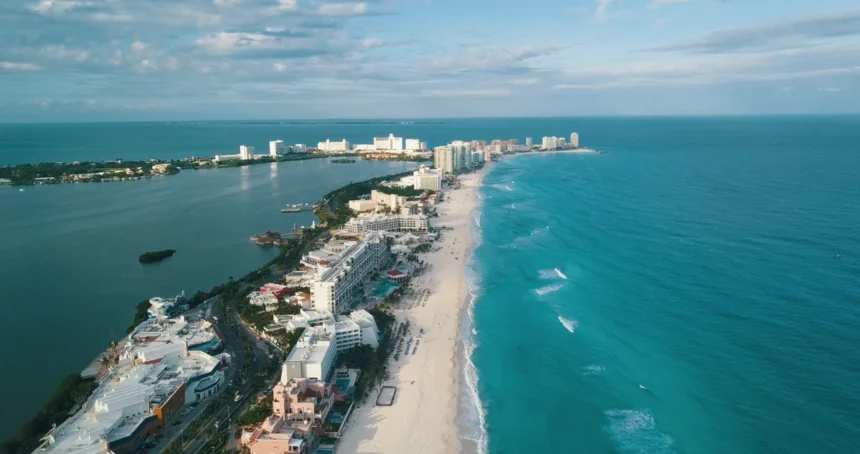
Beach vacations do not always mean expensive resorts. Many coastal towns along the Gulf Coast and Atlantic Coast offer affordable accommodations and free beach access. Gulf Shores in Alabama provides beautiful white sand beaches with hotel rooms starting at $70 per night during off-peak seasons.
Outer Banks in North Carolina is another great choice for budget beach lovers. You can find vacation rentals and motels for under $100 per night, especially if you visit during spring or fall. The area has free beaches, historic lighthouses, and charming towns to explore.
Tybee Island near Savannah, Georgia combines beach relaxation with southern charm. Accommodations range from budget motels to vacation rentals, many under $80 per night. You can spend your days on the beach and evenings exploring nearby Savannah’s historic district.
Charming Small Towns and Historic Cities
Small towns across America offer rich experiences at fraction of the cost of major tourist cities. Asheville, North Carolina provides mountain views, arts and crafts, and local breweries with hotels starting around $75 per night. The town has free outdoor concerts, farmers markets, and hiking trails nearby.
Fredericksburg, Texas brings German heritage and wine country together in an affordable package. Bed and breakfast options start at $80 per night, and many wineries offer free tastings. The town’s main street has unique shops and restaurants that fit any budget.
Bisbee, Arizona is a hidden gem with Victorian architecture and artsy vibes. Historic hotels cost around $70 per night, and the town offers free walking tours, art galleries, and nearby hiking trails. The quirky atmosphere and authentic charm make it feel like traveling back in time.
Money-Saving Tips for Your Weekend Getaway
Accommodation Strategies
Choosing the right accommodation can save you significant money. Consider camping if you enjoy the outdoors, as most campsites cost less than $35 per night. State parks often have excellent facilities at lower prices than national parks.
Budget motels and chain hotels along highways offer clean rooms for $60 to $80 per night. These options may not be fancy, but they provide everything you need for a comfortable stay. Booking directly through hotel websites sometimes gives better rates than third-party booking sites.
Vacation rentals can be cost-effective, especially when traveling with friends or family. Splitting the cost of a rental house among several people often works out cheaper than individual hotel rooms. Plus, you get a kitchen to prepare some meals and save on dining costs.
Food and Dining on a Budget
Food costs can quickly add up during travel, but smart planning keeps expenses low. Pack snacks, drinks, and breakfast items from home to avoid overpriced convenience store purchases. A cooler in your car can hold sandwiches, fruits, and beverages for day trips.
Eating one nice meal at a local restaurant and preparing other meals yourself balances experience with budget. Many destinations have farmers markets where you can buy fresh, local food at reasonable prices. These markets also give you a taste of local culture.
Look for restaurants that offer early bird specials or lunch menus with lower prices than dinner. Local diners and family-owned eateries typically cost less than tourist-focused restaurants and often serve better, more authentic food.
Transportation and Activity Costs
Driving to your destination saves money compared to flying. Gas costs are predictable, and you have the flexibility to explore surrounding areas. Carpooling with friends or family makes road trips even more affordable when you split fuel costs.
Many destinations offer free or low-cost activities. Hiking, beach visits, historic walking tours, and scenic drives cost nothing but provide amazing experiences. Research free events happening during your visit, such as festivals, concerts, or outdoor movies.
City passes and attraction bundles can save money if you plan to visit multiple paid sites. However, avoid feeling pressured to do everything. Sometimes the best travel experiences are simply walking through new neighborhoods and observing local life.
Planning Your Budget Weekend Getaway
Start planning your trip at least three to four weeks in advance for the best deals on accommodations. Flexibility with dates helps you find lower prices, especially if you can travel during weekdays or shoulder seasons. Off-peak times mean fewer crowds and better value.
Create a simple budget breakdown before you go. Allocate specific amounts for lodging, food, gas, and activities. Having a clear budget helps you make smart decisions during your trip and prevents overspending.
Make a loose itinerary but leave room for spontaneity. Research your destination to find free attractions and hidden gems that locals recommend. Sometimes the best discoveries happen when you wander off the planned path.
Check weather forecasts and pack appropriately to avoid buying forgotten items at inflated tourist prices. Bringing reusable water bottles, basic first aid supplies, and entertainment for travel time makes your trip smoother and more economical.
Making the Most of Your Limited Time
Weekend getaways require efficient use of time since you only have two or three days. Arrive Friday evening if possible to maximize your full days of exploration. This approach gives you all day Saturday and Sunday before heading home.
Prioritize experiences that matter most to you rather than trying to see everything. Quality beats quantity when time is limited. Choose two or three main activities or sights and enjoy them fully instead of rushing through a dozen places.
Wake up early to beat crowds at popular attractions and make the most of daylight hours. Morning light provides better photo opportunities, and early starts give you more time to explore before other tourists arrive.
If you love exploring outdoor destinations like national parks, check out our detailed guides on MileTrails.com for trip planning tips and hidden trails worth discovering during your weekend adventures.
Seasonal Considerations for Budget Travel
Understanding seasonal pricing helps you stretch your budget further. Spring and fall shoulder seasons offer the best combination of good weather and lower prices. Hotels drop their rates, attractions are less crowded, and the experience feels more authentic.
Winter getaways can be incredibly affordable in warm-weather destinations that are expensive during summer. Beach towns in Florida, Texas, and California often have hotel rates 40 to 50 percent lower during winter months, and the weather is still pleasant for outdoor activities.
Summer presents opportunities for mountain and northern destinations. While beaches are crowded and expensive, mountain towns and lake areas in states like Montana, Wyoming, and Minnesota offer affordable rates and beautiful weather during peak summer months.
Safety and Practical Considerations
Budget travel should never mean compromising safety. Research neighborhoods and accommodations before booking to ensure they are in safe areas. Read recent reviews from other travelers to get honest feedback about locations.
Keep important documents and backup cash in secure places. Make copies of your identification and keep them separate from originals. Having travel insurance for even short trips provides peace of mind, especially if you have prepaid reservations.
Let someone know your itinerary and check in regularly. Share your location with trusted friends or family, especially when hiking or visiting remote areas. Cell service can be unreliable in national parks and rural destinations.
Frequently Asked Questions
What is the cheapest way to plan a weekend getaway?
The cheapest way to plan a weekend getaway involves camping at state or national parks, driving instead of flying, and preparing your own meals. Choose destinations within three to four hours of your home to minimize travel costs. Visiting during off-peak seasons and booking accommodations directly can save 30 to 50 percent compared to peak times. Free activities like hiking, beach visits, and exploring small towns provide rich experiences without admission fees.
How far in advance should I book a budget weekend trip?
Booking three to four weeks in advance typically provides the best balance between availability and pricing for budget accommodations. Last-minute bookings can sometimes offer deals, but they are risky as cheaper options may be sold out. For popular destinations during peak seasons, booking six to eight weeks ahead ensures better selection of affordable lodging. Flexibility with travel dates allows you to compare prices across different weekends.
Can I really take a weekend trip for under $200 per person?
Yes, many travelers successfully enjoy weekend getaways for under $200 per person by choosing budget accommodations, driving to nearby destinations, and selecting free or low-cost activities. Camping trips often cost $100 to $150 total including food, gas, and campsite fees. Budget hotel stays with careful meal planning typically range from $150 to $200 per person. The key is selecting destinations within driving distance and avoiding expensive tourist traps.
What are the best months for affordable weekend getaways?
September through November and March through May offer the best combination of pleasant weather and affordable prices for most US destinations. These shoulder seasons have lower accommodation rates, fewer crowds, and comfortable temperatures. January and February work well for warm-weather destinations like the Southwest and Gulf Coast, while June through August are ideal for mountain and northern locations that remain budget-friendly during summer.
How can I save money on food during a weekend trip?
Saving money on food involves packing breakfast items and snacks from home, using a cooler for lunches, and eating one restaurant meal per day. Shop at local grocery stores or farmers markets instead of convenience stores for better prices. Choose accommodations with kitchenettes or refrigerators to store and prepare simple meals. Many budget travelers spend less than $50 per person on food for an entire weekend using these strategies.
Are weekend getaways worth it for such a short time?
Weekend getaways are absolutely worth it because they provide mental breaks, new experiences, and refreshment without requiring extensive time off work or large budgets. Short trips reduce travel stress and allow you to visit more places throughout the year. Even two days in a new environment can boost mood, creativity, and overall wellbeing. The memories and experiences from weekend trips often rival those from longer vacations.
What should I pack for a budget weekend getaway?
Pack versatile clothing that works for multiple occasions, comfortable walking shoes, reusable water bottles, snacks, basic toiletries, phone chargers, and any special items for planned activities. Bringing a small cooler, picnic supplies, and basic first aid kit helps avoid unnecessary purchases. Check weather forecasts and pack layers for changing conditions. A small backpack or day bag carries essentials during daily explorations.
How do I find hidden gems and avoid tourist traps?
Finding hidden gems involves researching local blogs, asking residents for recommendations, and exploring beyond main tourist areas. Visit farmers markets, local coffee shops, and neighborhood parks where residents spend time. Read recent travel forums and social media groups focused on your destination. Free walking tours often reveal lesser-known spots that guidebooks miss. Wandering residential neighborhoods and observing local life leads to authentic discoveries.
Ready to start planning your next adventure? Visit MileTrails.com for more destination guides, travel tips, and inspiration for your perfect weekend escape. Our detailed trail guides and park information help you discover amazing places without breaking your budget.