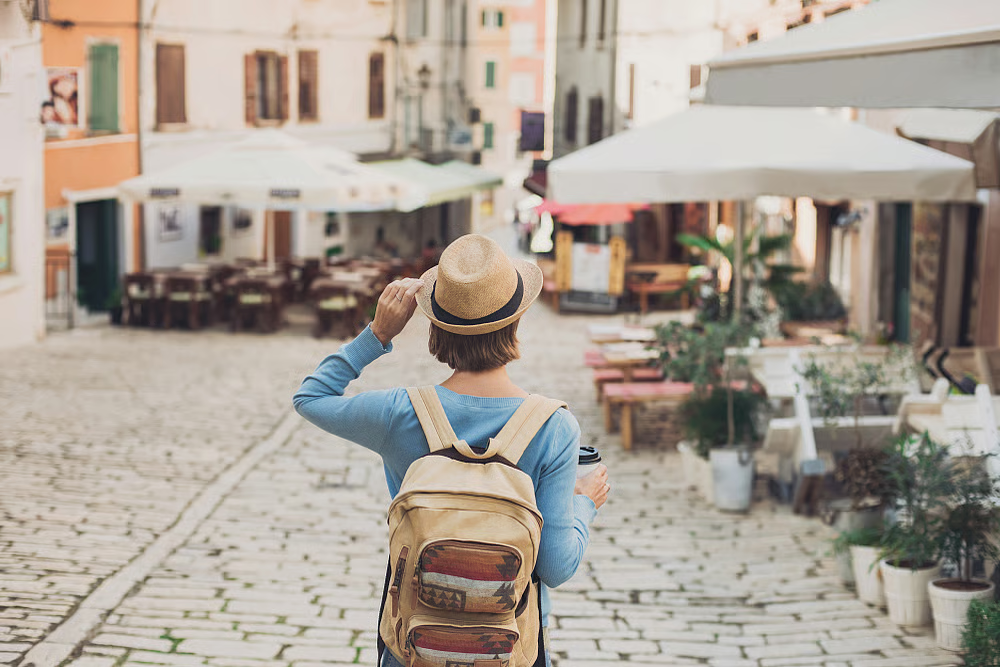





Traveling the world might seem like an impossible dream when you are a student living on a tight budget. However, thousands of students successfully explore amazing destinations every year without draining their bank accounts or sleeping on uncomfortable floors. The secret is not about sacrificing comfort but about making smart choices that stretch your money further while still enjoying quality experiences.
- Understanding Your Student Travel Budget
- Choosing Budget-Friendly Destinations
- Finding Affordable Flights Without Sacrificing Convenience
- Comfortable Accommodation on a Student Budget
- Eating Well Without Breaking the Bank
- Getting Around Comfortably and Affordably
- Free and Low-Cost Activities
- Smart Money Management While Traveling
- Travel Insurance and Safety Considerations
- Connecting With Other Student Travelers
- Frequently Asked Questions
- How much money do I need to travel the world as a student?
- Is it safe for students to travel alone on a budget?
- Can I travel comfortably without speaking foreign languages?
- What are the best countries for student budget travel?
- How can I travel during school breaks without missing classes?
- Should I book everything in advance or plan as I go?
Student travel has evolved significantly over the past few years. Today, you have access to countless resources, apps, and strategies that previous generations never had. With proper planning and the right approach, you can visit dream destinations, stay in comfortable accommodations, eat delicious food, and create unforgettable memories without compromising your comfort or safety.
Understanding Your Student Travel Budget
Before you start booking flights and hotels, you need to understand exactly how much money you can spend. Create a realistic budget that includes all potential expenses like flights, accommodation, food, transportation, activities, insurance, and emergency funds. Many students make the mistake of only budgeting for big expenses and forgetting about daily costs like bottled water, snacks, or local transport.
Start by saving a specific amount each month dedicated solely to travel. Even small amounts add up over time. Look for part-time work opportunities, freelance gigs, or selling items you no longer need. Some students also explore scholarship programs or travel grants specifically designed for educational travel experiences.
Your budget should be flexible enough to handle unexpected situations but strict enough to prevent overspending. A good rule is to have at least twenty percent more than your estimated costs as a safety buffer. This extra cushion ensures you can handle emergencies without stress.
Choosing Budget-Friendly Destinations
Not all destinations cost the same amount of money. Some countries offer incredible experiences at a fraction of the cost compared to expensive tourist hotspots. Southeast Asian countries like Thailand, Vietnam, and Indonesia provide amazing travel experiences where your student budget stretches much further. Eastern European destinations such as Poland, Hungary, and Romania offer rich cultural experiences without the Western European price tag.
Consider traveling during shoulder seasons when prices drop significantly. Visiting popular destinations just before or after peak tourist season means lower accommodation costs, fewer crowds, and often better weather than you might expect. Airlines and hotels desperately want to fill empty seats and rooms during these periods, which works perfectly for budget-conscious students.
Research the cost of living in potential destinations before making final decisions. Some cities might have cheap flights but expensive daily costs, while others might require pricier airfare but offer very affordable local expenses. Calculate the total trip cost rather than just focusing on flight prices.
Finding Affordable Flights Without Sacrificing Convenience
Flight costs often consume the largest portion of your travel budget, but several strategies can help you find affordable tickets. Set up price alerts on multiple flight comparison websites and be flexible with your travel dates. Flying on Tuesdays, Wednesdays, or Saturdays typically costs less than weekend departures.
Consider booking separate one-way tickets instead of round-trip flights, especially when traveling to multiple destinations. Budget airlines have revolutionized student travel by offering incredibly low base fares. While these airlines charge extra for checked bags and seat selection, you can still save substantial amounts by traveling light and accepting random seat assignments.
Student discount programs and travel credit cards offer significant savings on flights. Many airlines provide student discounts ranging from ten to twenty-five percent off regular fares. Travel credit cards often include signup bonuses worth hundreds of dollars in free flights if you meet minimum spending requirements.
Connecting flights usually cost less than direct routes, and layovers provide opportunities to explore additional cities. A twelve-hour layover in Istanbul or Dubai can become a free bonus destination if you plan properly. Many airlines offer free or cheap stopover programs that let you explore their hub cities for several days at no extra airfare cost.
Comfortable Accommodation on a Student Budget
Gone are the days when budget travel meant staying in dirty hostels with uncomfortable beds. Modern hostels have evolved into clean, stylish spaces with comfortable mattresses, private rooms, and excellent amenities. Many offer free breakfast, communal kitchens, and organized social activities that help you meet fellow travelers.
Private rooms in hostels cost significantly less than hotels while providing similar comfort levels. Look for hostels with high ratings for cleanliness and comfort on booking platforms. Reading recent reviews helps you avoid uncomfortable situations and find hidden gems that offer exceptional value.
Vacation rental platforms connect you with local homeowners renting spare rooms or entire apartments. Staying in residential neighborhoods rather than tourist areas saves money while providing authentic cultural experiences. You get access to full kitchens, laundry facilities, and often more space than hotel rooms at lower prices.
House-sitting opportunities let you stay in comfortable homes completely free in exchange for taking care of pets or plants. Several websites connect homeowners with responsible house-sitters, and students often make ideal candidates. You get free luxury accommodation while helping someone who needs their property cared for during their absence.
Eating Well Without Breaking the Bank
Food represents a major daily expense while traveling, but you can eat delicious, comfortable meals without spending fortune. Shopping at local markets and grocery stores costs a fraction of restaurant prices. Preparing simple meals in hostel kitchens or vacation rental apartments saves hundreds of dollars over a long trip.
Street food in many countries offers incredibly tasty, safe, and cheap eating options. Local food vendors serve authentic dishes at prices locals pay, giving you genuine cultural experiences while protecting your budget. Research which street foods are safe in your destination and follow where local people eat for the best quality and value.
Many restaurants offer special lunch menus with reduced prices compared to dinner service. Eating your main meal at lunch and having lighter dinners dramatically reduces food costs. Take advantage of hotel or hostel breakfasts when included, filling up on free food before starting your daily adventures.
Local restaurants away from main tourist areas charge much lower prices for similar or better quality food. Walk just a few blocks from popular attractions to find authentic eateries where locals dine. Learning basic phrases in the local language helps you navigate menus and often results in friendlier service and better recommendations.
Getting Around Comfortably and Affordably
Transportation costs can quickly drain your budget if you rely on taxis or tourist transportation services. Public transportation in most cities provides comfortable, safe, and incredibly cheap travel options. Metro systems, buses, and trains let you experience destinations like local residents while saving substantial amounts of money.
Many cities offer tourist transport cards that provide unlimited travel on public transportation for set periods. These passes often include discounts on attractions and represent excellent value for students planning to explore extensively. Calculate whether unlimited passes save money compared to individual tickets based on your planned activities.
Walking represents the best way to explore new destinations while staying completely free and healthy. Many cities feature compact downtown areas perfect for exploring on foot. Comfortable walking shoes make long days of exploration pleasant rather than painful, and you discover hidden gems that you would miss from vehicles.
Bicycle rentals and bike-sharing programs offer affordable, flexible transportation in many destinations. Cycling lets you cover more ground than walking while remaining cheaper than motorized transport. Some cities provide free bicycle programs or very low daily rental rates that make bikes the perfect budget travel solution.
Free and Low-Cost Activities
Traveling comfortably does not require spending lots of money on expensive tours and attractions. Most destinations offer numerous free activities that provide rich, memorable experiences. Free walking tours operate in hundreds of cities worldwide, led by knowledgeable local guides who work for tips rather than fixed fees.
Parks, beaches, hiking trails, and natural attractions typically charge no admission fees. Spending time in nature provides beautiful, peaceful experiences without any cost. Many museums offer free admission days or reduced student pricing that makes cultural exploration affordable.
Local festivals and events happen constantly in cities around the world, offering free entertainment and authentic cultural experiences. Research local event calendars before and during your trip to discover concerts, markets, exhibitions, and celebrations that welcome visitors at no cost.
Simply wandering through interesting neighborhoods, observing daily life, and soaking in different atmospheres creates valuable travel memories without spending money. Comfortable travel means enjoying experiences rather than just checking tourist boxes, and many of the best experiences cost nothing at all.
Smart Money Management While Traveling
Managing money wisely while traveling protects your budget and ensures comfortable experiences. Notify your bank before traveling internationally to prevent card blocks that leave you stranded without access to funds. Carry at least two different payment methods in case one gets lost or stops working.
Using credit cards that do not charge foreign transaction fees saves significant amounts on every purchase. Many travel credit cards also include valuable benefits like free travel insurance, airport lounge access, and rental car coverage that enhance comfort without additional costs.
Withdraw larger amounts less frequently from ATMs to minimize transaction fees. Research which ATM networks charge lowest fees in your destination countries. Always decline dynamic currency conversion, which offers terrible exchange rates that secretly cost you extra money.
Track your spending daily to ensure you stay within budget and identify areas where you might be overspending. Smartphone apps make expense tracking simple and provide clear pictures of where your money goes. Knowing your spending patterns helps you adjust before small overspending becomes budget-destroying problems.
Travel Insurance and Safety Considerations
Comfortable travel requires feeling safe and protected against unexpected problems. Student travel insurance costs relatively little while providing crucial protection for medical emergencies, trip cancellations, lost baggage, and other travel mishaps. Never skip insurance to save money, as one emergency can cost thousands of dollars.
Many credit cards include travel insurance benefits when you book trips using the card. Review your credit card benefits to understand what coverage you already have and what additional insurance you might need. Student-specific travel insurance often provides better rates than general travel insurance.
Research safety conditions in destinations before booking trips. Understanding local safety concerns helps you take appropriate precautions without being fearful. Most destinations welcome tourists safely, but knowing potential risks lets you travel comfortably with appropriate awareness.
Connecting With Other Student Travelers
Meeting other student travelers enhances your journey while providing practical benefits. Other students share valuable tips about cheap restaurants, free activities, and money-saving strategies they discovered. Social hostel common areas, free walking tours, and travel apps designed for meeting travelers create easy opportunities for connections.
Traveling occasionally with people you meet can reduce costs through shared accommodation, split taxi fees, and group discounts on activities. Having travel companions also increases safety and comfort, especially in unfamiliar destinations. Many lifelong friendships begin through chance meetings during student travel adventures.
When you explore incredible destinations around the world, you create memories that last forever. At MileTrails, we believe every student deserves to experience the joy of travel regardless of budget constraints. Our guides help you discover amazing destinations while traveling smartly and comfortably.
Frequently Asked Questions
How much money do I need to travel the world as a student?
The amount you need depends entirely on your destinations, travel style, and trip duration. Students successfully travel on anywhere from twenty to fifty dollars per day in budget-friendly countries like Southeast Asia or Eastern Europe. Western European destinations typically require seventy to one hundred dollars daily. Start with shorter trips to understand your spending patterns, then plan longer adventures based on realistic budgets. Remember that flights usually represent your biggest single expense, so factor those costs separately from daily spending estimates.
Is it safe for students to travel alone on a budget?
Traveling alone as a student can be very safe when you take sensible precautions. Millions of students travel solo every year without problems. Stay in well-reviewed accommodations, avoid isolated areas late at night, keep valuables secured, and trust your instincts about situations and people. Budget travel does not mean unsafe travel. Many budget accommodations like hostels actually provide safer environments than expensive hotels because they foster communities of travelers who look out for each other. Always maintain communication with family or friends back home and share your itinerary with trusted people.
Can I travel comfortably without speaking foreign languages?
Yes, comfortable travel is absolutely possible without speaking local languages. English is widely spoken in tourist areas worldwide, and translation apps have made communication easier than ever before. Learning basic phrases like hello, thank you, and excuse me shows respect and often results in warmer interactions. Many budget-friendly destinations specifically cater to international tourists with English signage and menus. However, making small efforts to communicate in local languages enhances your experience and often leads to better service and insider recommendations from locals who appreciate your attempts.
What are the best countries for student budget travel?
Thailand, Vietnam, Indonesia, Portugal, Poland, Hungary, Mexico, and Colombia consistently rank among the best countries for student budget travel. These destinations offer excellent value with comfortable accommodations, delicious food, amazing activities, and welcoming cultures at prices students can afford. Each country provides unique experiences while respecting tight budgets. Regional costs within countries vary significantly, so research specific cities and areas. Coastal resort towns typically cost more than inland cities, while capital cities often have higher prices than smaller towns despite offering more free activities and better transportation infrastructure.
How can I travel during school breaks without missing classes?
Strategic planning lets you maximize travel during school breaks without academic consequences. Winter breaks, spring breaks, and summer vacations provide extended periods perfect for longer trips. Long weekends combined with strategic course selection can create additional travel opportunities. Some universities offer study abroad programs or international volunteer opportunities that combine education with travel experiences. Consider taking online classes occasionally to create flexibility in your schedule. Communicate with professors about any potential conflicts and demonstrate strong academic performance to build goodwill for occasional flexibility when needed.
Should I book everything in advance or plan as I go?
A balanced approach works best for most student travelers. Book flights and first few nights of accommodation in advance to ensure good prices and avoid arrival stress. Leave remaining days flexible to adapt based on experiences, recommendations from other travelers, and spontaneous opportunities. Advanced booking typically saves money on flights and popular accommodations, especially during peak seasons. However, excessive advance planning eliminates flexibility and might lock you into plans that no longer appeal once you experience a destination. Many travelers find booking major transportation and accommodations while leaving activities and detailed itineraries flexible provides the best balance of savings and spontaneity.