

Planning a trip to America’s national parks can feel overwhelming when you have 63 incredible parks to choose from. The secret to an amazing national park experience is visiting at the right time of year. Each season brings unique weather patterns, wildlife activity, and crowd levels that can make or break your adventure.
- Why Timing Matters When Visiting National Parks
- January Through March: Winter Wonderlands and Desert Escapes
- April Through June: Spring Awakening Across America
- July Through September: Summer Adventures in High Country
- October Through December: Fall Colors and Quiet Trails
- Making Your National Park Dreams Come True
- Frequently Asked Questions
This guide will help you discover which national parks shine brightest during each month of the year. Whether you love warm summer hikes or peaceful winter landscapes, you’ll find the perfect park waiting for you.
Why Timing Matters When Visiting National Parks
Visiting a national park at the wrong time can lead to disappointment. Imagine arriving at Glacier National Park in winter only to find most roads closed. Or picture yourself at Death Valley in July when temperatures soar above 120 degrees Fahrenheit.
The right timing ensures you experience each park at its absolute best. You’ll see wildlife when they’re most active, enjoy comfortable temperatures, and possibly avoid the biggest crowds. Many parks have distinct peak seasons when nature puts on its greatest show.
Weather plays a huge role in your park experience. Some parks become nearly inaccessible during certain months due to snow. Others become uncomfortably hot or crowded. Understanding these patterns helps you plan trips that create lasting memories instead of frustrating challenges.
January Through March: Winter Wonderlands and Desert Escapes
The first three months of the year offer unique opportunities for park lovers. While northern parks sleep under blankets of snow, southern parks wake up with perfect weather.
Joshua Tree National Park in California becomes a hiker’s paradise during January and February. Daytime temperatures hover around 60 to 70 degrees, making it comfortable to explore the park’s weird and wonderful desert landscapes. The twisted Joshua trees look even more dramatic against clear blue winter skies. Rock climbers from around the world flock here during these months because the weather is just right for scaling the park’s famous granite formations.
Death Valley National Park also shines during winter months. This park holds the record for the hottest temperature ever recorded on Earth, but winter transforms it into a surprisingly pleasant destination. You can hike through colorful canyons, walk across vast salt flats, and explore sand dunes without worrying about dangerous heat. If winter rains come, you might even witness the rare super bloom when millions of wildflowers carpet the desert floor.
Everglades National Park in Florida hits its sweet spot from January through March. The weather stays warm but not too hot, and this is the dry season when wildlife concentrates around shrinking water sources. You’ll spot alligators, wading birds, and maybe even the endangered Florida panther. Mosquitoes take a break during these months too, which makes your visit much more enjoyable.
For those who love winter sports, Yellowstone National Park offers a magical experience from December through February. The park transforms into a snow globe come to life. You can explore on snowshoes or cross-country skis, watching bison trudge through deep snow and steam rising from hot springs. The contrast between ice and geothermal features creates scenes you won’t find anywhere else on the planet.
April Through June: Spring Awakening Across America
Spring brings national parks back to life after winter’s rest. This season offers some of the best overall conditions for park visits across the country.
Great Smoky Mountains National Park becomes absolutely stunning in April and May. This park straddles Tennessee and North Carolina and receives more visitors than any other national park. Spring wildflowers bloom throughout the mountains, creating a colorful carpet across the forest floor. Dogwood and redbud trees add splashes of white and pink to the landscape. The weather stays mild, and summer crowds haven’t arrived yet.
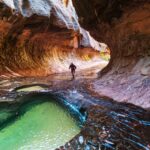
Zion National Park in Utah really shines during April and May. The weather is perfect for hiking, with temperatures ranging from 60 to 80 degrees. The Virgin River flows strong from snowmelt, making waterfall hikes spectacular. You can tackle famous trails like Angels Landing or The Narrows without dealing with extreme heat. Spring also brings fewer crowds compared to the packed summer season.
Yosemite National Park reaches peak beauty in May and June when snowmelt creates thundering waterfalls. Yosemite Falls, one of the tallest waterfalls in North America, roars with incredible power during these months. The valley floor fills with colorful wildflowers while dogwood trees bloom white against granite cliffs. This is the time to see Yosemite at its most dramatic.
Grand Teton National Park in Wyoming starts opening up in late May and June. Snow melts from lower elevations, revealing wildflower meadows with the jagged Teton peaks rising behind them. Wildlife becomes very active as baby animals take their first steps. Moose wade through ponds munching on underwater plants while bears emerge from dens with new cubs.
July Through September: Summer Adventures in High Country
Summer brings the warmest weather and the biggest crowds to most national parks. However, some parks only become fully accessible during these months.
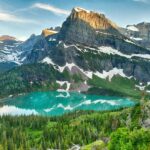
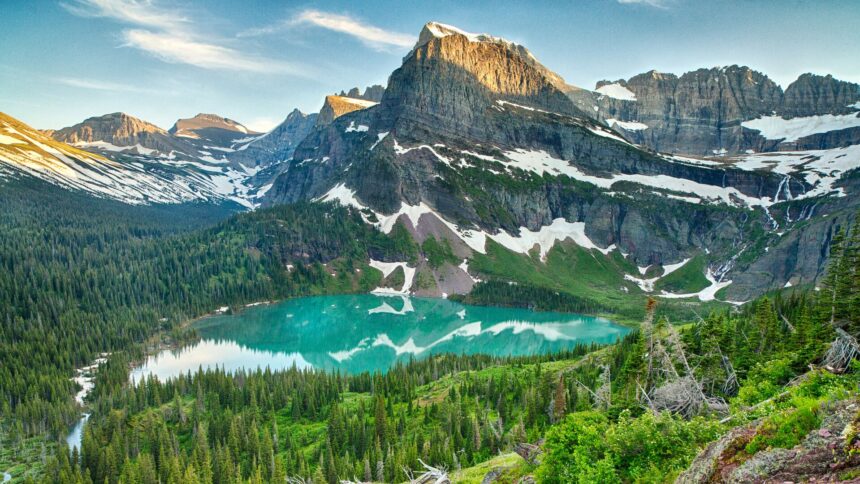
Glacier National Park in Montana truly earns its name during summer. The famous Going-to-the-Sun Road, which crosses the Continental Divide, usually doesn’t fully open until late June or July. This spectacular drive takes you past glaciers, waterfalls, and mountain goats. July and August offer the best weather for hiking to places like Grinnell Glacier or Iceberg Lake. Summer is short here, so the park bursts with life as plants and animals make the most of the warm season.
Rocky Mountain National Park in Colorado provides perfect escape from summer heat at lower elevations. The park sits high in the mountains where temperatures stay comfortable even in July and August. Trail Ridge Road, America’s highest continuous paved road, opens for the season. You can drive above the treeline into alpine tundra where tiny wildflowers bloom and pikas scurry among the rocks. Elk become very visible as they graze in meadows during morning and evening hours.
Acadia National Park in Maine offers wonderful summer experiences without extreme heat. Located on the rocky coast, ocean breezes keep temperatures pleasant. You can hike granite mountains in the morning, then cool off with a swim in the Atlantic Ocean in the afternoon. July and August bring the warmest water temperatures, though the ocean never gets truly warm here.
Olympic National Park in Washington state features amazing diversity across its three distinct ecosystems. Summer is the best time to explore all three: the rugged Pacific coastline, the lush temperate rainforest, and the glacier-capped mountains. Each area offers completely different experiences within the same park. The weather stays mild, and most roads and trails become accessible.
October Through December: Fall Colors and Quiet Trails
Autumn brings cooler temperatures, smaller crowds, and spectacular fall colors to many national parks. This season often provides the best combination of good weather and fewer visitors.
Shenandoah National Park in Virginia puts on one of America’s best fall foliage displays. October typically brings peak colors when the forest transforms into brilliant shades of red, orange, and gold. Skyline Drive winds along the mountain crest for 105 miles, offering constant views of the colorful landscape. The weather stays comfortable for hiking, and you’ll encounter far fewer people than during summer months.
Great Smoky Mountains National Park delivers another spectacular fall show in October and early November. The park’s incredible plant diversity means colors appear in waves as different tree species turn at different times. The show lasts longer here than in many other places. Cool mountain air makes hiking comfortable while morning fog adds mystery to the landscape.
Big Bend National Park in Texas becomes accessible again as desert temperatures drop. November and December offer perfect weather for exploring this remote park on the Mexican border. You can hike through desert canyons, soak in natural hot springs, and enjoy incredibly dark night skies perfect for stargazing. The park remains quiet and uncrowded during these months.
Canyonlands National Park in Utah provides stunning experiences in fall and early winter. October and November bring comfortable temperatures and clear skies perfect for photography. The red rock landscapes glow beautifully in the softer autumn light. You can explore vast mesas, deep canyons, and strange rock formations without battling summer heat or crowds.
Making Your National Park Dreams Come True
America’s national parks offer year-round opportunities for adventure and natural beauty. The key to an amazing experience is matching the right park with the right season. Winter snow transforms some parks into wonderlands while making others inaccessible. Spring brings flowers and baby animals. Summer opens high country but brings crowds. Fall delivers colors and comfortable temperatures.
At MileTrails, we help outdoor enthusiasts plan unforgettable national park adventures throughout the year. Our platform provides detailed trail information, current conditions, and insider tips to help you make the most of every visit.
Ready to start planning your next national park adventure? Visit MileTrails today to discover detailed guides, trail maps, and expert advice for every season. Don’t let another year pass without experiencing the natural wonders waiting in America’s national parks. Your perfect park experience is just a few clicks away.
Frequently Asked Questions
What is the best month to visit national parks in the USA?
The best month depends on which park you want to visit. April and May work well for most parks because weather is mild and crowds are smaller. September and October also offer great conditions with fall colors and fewer visitors. For desert parks, winter months from November through March provide the most comfortable temperatures.
Which national parks can you visit year-round?
Several national parks remain accessible throughout the year including Grand Canyon, Death Valley, Joshua Tree, Everglades, and Shenandoah. These parks don’t close due to weather, though conditions change dramatically between seasons. Some facilities and roads may close temporarily during winter in mountain areas.
How do I avoid crowds at popular national parks?
Visit during shoulder seasons in spring or fall rather than summer. Arrive at popular sites before 8 AM or after 4 PM when day visitors have left. Consider visiting less famous national parks that offer similar beauty with fewer people. Weekdays typically see smaller crowds than weekends.
Do I need reservations to visit national parks?
Most national parks don’t require reservations to enter, though some popular parks now use timed entry systems during peak seasons. Reservations are often needed for camping, lodging, and specific activities like guided tours. Always check the official park website before your visit to understand current requirements.
What should I pack for a national park visit?
Pack layers of clothing because mountain weather changes quickly. Bring plenty of water, sunscreen, and a hat for sun protection. Wear sturdy hiking shoes with good traction. Don’t forget a paper map as cell service is unreliable in most parks. A first aid kit and flashlight are essential safety items.
Are national parks safe to visit in winter?
Many national parks are safe to visit in winter if you prepare properly. Some high-elevation parks become inaccessible due to snow, while others offer unique winter experiences. Always check current conditions before leaving. Carry emergency supplies in your car and know how to handle winter driving conditions. Some parks require special equipment like snowshoes or crampons.