




Packing for a trip can feel overwhelming, especially when you are trying to fit everything into a single suitcase or backpack. You might have experienced the frustration of opening your bag to find wrinkled clothes, misplaced items, or a complete mess after just one day of travel. This is where packing cubes, organizers, and compression bags become your best travel companions.
- Understanding Packing Cubes and Why They Matter
- Different Types of Packing Organizers You Should Know
- How Compression Bags Actually Save Space
- Choosing the Right Material and Quality
- Best Practices for Using Packing Cubes Effectively
- Common Mistakes to Avoid When Using Packing Organizers
- Maintaining and Caring for Your Travel Organizers
- Making Your Next Trip Easier with the Right Tools
- Frequently Asked Questions
- What size packing cubes should I buy for my luggage?
- Can I use compression bags on airplanes without problems?
- How many packing cubes do I really need for a week-long trip?
- Are expensive packing cubes worth the extra cost?
- Can packing cubes prevent my clothes from wrinkling?
- How do I clean packing cubes that smell bad after a trip?
These simple tools have changed the way millions of travelers pack their belongings. They help you stay organized, save space, and make your travel experience much smoother. Whether you are planning a weekend getaway or a month-long adventure, having the right packing tools can make all the difference in your journey.
Understanding Packing Cubes and Why They Matter
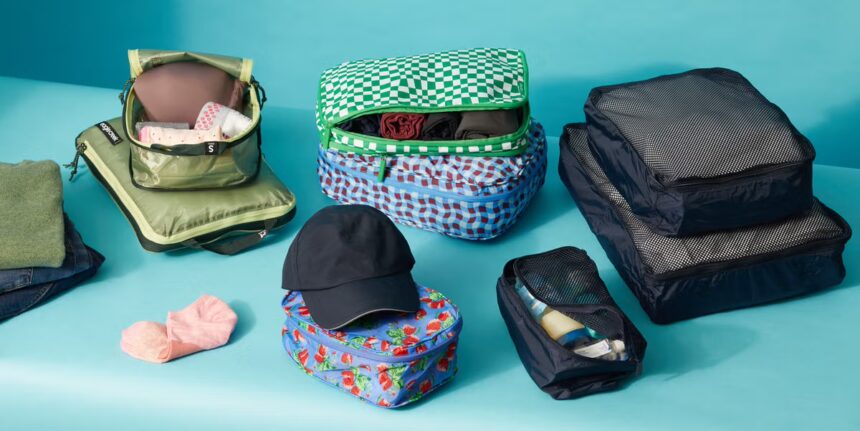
Packing cubes are rectangular fabric containers that fit inside your luggage to keep your items separated and organized. Think of them as drawers for your suitcase. Instead of throwing everything loosely into your bag, you can categorize your belongings into different cubes based on type, day, or purpose.
The main benefit of using packing cubes is organization. When you arrive at your hotel or campsite, you do not need to dig through your entire bag to find a single item. You can simply pull out the cube that contains what you need. This becomes especially helpful when you are moving between multiple destinations and living out of your suitcase.
Beyond organization, packing cubes also help protect your clothes from getting dirty or wet. If a bottle leaks or your bag gets caught in the rain, the damage is often contained to one cube rather than ruining everything. Many travelers also find that packing cubes make it easier to go through airport security checks because you can quickly remove and repack items without creating chaos.
Different Types of Packing Organizers You Should Know
The world of travel organizers extends far beyond basic packing cubes. Compression bags use either zippers or roll-up mechanisms to squeeze air out of your clothing, allowing you to fit more items in the same space. These work particularly well for bulky items like jackets, sweaters, or sleeping bags.
Shoe bags are another essential organizer that keeps your footwear separate from clean clothes. Nobody wants dirty shoe soles touching their fresh shirts. Most shoe bags are made from water-resistant material with ventilation holes to prevent odor buildup.
Toiletry organizers come in various sizes and designs, from hanging models that you can attach to a bathroom door to compact pouches that fit in your backpack’s side pocket. The hanging style works great for longer trips where you have access to a bathroom, while smaller pouches are better for quick weekend travels.
Electronics organizers have become increasingly important as we travel with more gadgets. These specialized cases have multiple compartments for chargers, cables, power banks, headphones, and adapters. Having everything in one place means you will never leave an important charger behind at a hotel.
Laundry bags might seem simple, but they serve an important purpose by keeping dirty clothes away from clean ones. Some advanced versions even have separate compartments for wet swimwear or gym clothes.
How Compression Bags Actually Save Space
Compression bags work on a straightforward principle of removing excess air from around your packed items. When you fold or roll your clothes and place them in a compression bag, there is still a lot of air trapped between the fabric layers. By either rolling the bag tightly or using a one-way zipper system, you push this air out and dramatically reduce the volume your clothes occupy.
There are two main types of compression bags. Roll-up bags require you to roll from one end to the other, pushing air out through a special valve. These do not need any external tools and work great for backpackers. Vacuum-sealed bags require a vacuum cleaner to suck out the air, creating maximum compression, but they are less practical for travelers who do not have access to a vacuum while on the road.
The space savings can be impressive. A puffy winter jacket that normally takes up a quarter of your suitcase might compress down to the size of a small book. Sweaters, jeans, and other bulky items also compress well. However, compression works less effectively on thin, light fabrics like t-shirts or summer dresses.
One important thing to remember is that compression bags reduce volume but not weight. Your luggage will still weigh the same amount, so these bags help more with carry-on size restrictions than with weight limits.
Choosing the Right Material and Quality
The material of your packing organizers determines how long they will last and how well they perform. Most quality packing cubes use ripstop nylon or polyester, which resists tearing and can handle the rough treatment that luggage often receives. Cheaper options might use thin fabric that develops holes after just a few trips.
Mesh panels on packing cubes serve multiple purposes. They allow you to see what is inside each cube without opening it, which saves time when you are searching for specific items. Mesh also provides ventilation, helping clothes stay fresher and preventing moisture buildup that can lead to bad smells.
Zippers are often the first component to fail on packing organizers. Look for quality YKK zippers or similar brands known for durability. The zipper pulls should be large enough to grab easily, even when you are in a hurry or wearing gloves in cold weather.
Water resistance is another feature worth considering, especially if you travel to rainy destinations or participate in outdoor activities. While most packing cubes are not fully waterproof, many use water-resistant coatings that provide protection against light moisture and spills.
Best Practices for Using Packing Cubes Effectively
Simply buying packing cubes does not automatically make you an organized packer. You need a system to get the most benefit from these tools. Many experienced travelers organize their cubes by clothing type, dedicating one cube to tops, another to bottoms, and a third to undergarments and socks.
Another popular method involves organizing by outfit or day. If you are taking a week-long trip, you might pack each day’s complete outfit in a separate cube. This approach works particularly well for business travelers who need specific outfits for meetings or events.
Color-coding your cubes adds another layer of organization. You might use blue cubes for your clothes, red for your partner’s items, and green for shared gear. This system becomes especially helpful when multiple people are sharing luggage space.
Rolling your clothes before placing them in cubes typically saves more space than folding. The military-style rolling technique, where you fold the item lengthwise and then roll tightly from one end, minimizes wrinkles while maximizing space efficiency.
When packing your suitcase, place heavier cubes at the bottom near the wheels if you have a rolling bag. This keeps your luggage balanced and easier to maneuver. Lighter cubes can go on top or in outer pockets.
Common Mistakes to Avoid When Using Packing Organizers
Many travelers buy packing cubes that are too large for their luggage. Before purchasing, measure your suitcase or backpack interior and choose cube sizes that actually fit. Oversized cubes that barely squeeze into your bag defeat the purpose of organization.
Overstuffing compression bags is another frequent error. While it might seem smart to pack as much as possible, overfilled bags put excessive stress on zippers and seams. This often leads to broken zippers at the worst possible moment, like when you are rushing to catch a flight.
Some people make the mistake of mixing clean and dirty items in the same cube. Always separate used clothes from fresh ones to maintain hygiene and keep everything smelling pleasant. Having dedicated dirty laundry bags or cubes prevents this problem.
Forgetting to label your cubes can create confusion, especially on longer trips with many organizational items. Simple luggage tags or even pieces of tape with written descriptions help you quickly identify contents without opening every cube.
Not utilizing all available organizer types is a missed opportunity. Many travelers buy only packing cubes but forget about specialized bags for shoes, toiletries, or electronics. A complete organizational system uses the right tool for each category of items.
Maintaining and Caring for Your Travel Organizers
Quality packing cubes and organizers can last for years if you take proper care of them. After each trip, empty all cubes completely and check for any damage, dirt, or stains. Small repairs done immediately prevent bigger problems later.
Most fabric organizers can be hand-washed with mild soap and water. Avoid using harsh detergents or bleach, which can damage the fabric coating or mesh panels. Let them air dry completely before storing to prevent mildew and odors.
Store your packing cubes flat or nested inside each other when not in use. Keeping them in a cool, dry place protects the fabric and zippers from environmental damage. Avoid storing them in damp basements or hot attics where temperature extremes can degrade materials.
Inspect zippers regularly and clean them if they start sticking. A small amount of zipper lubricant or even a graphite pencil rubbed along the teeth can help zippers glide smoothly again. Replace organizers with broken zippers rather than struggling with them on your next trip.
Making Your Next Trip Easier with the Right Tools
Investing in quality packing organizers transforms your travel experience from stressful to streamlined. When everything has its designated place and you can find any item within seconds, you spend less time managing your belongings and more time enjoying your destination.
Start with a basic set of packing cubes in various sizes and add specialized organizers as you identify your specific needs. Pay attention to what frustrates you during trips and find organizational solutions for those pain points. Maybe you always lose your phone charger, or your shoes always dirty your clothes. There is probably an organizer designed to solve that exact problem.
Ready to explore amazing destinations with perfectly organized luggage? Visit MileTrails.com for comprehensive travel guides, packing tips, and destination recommendations that help you make the most of every journey. Our expert advice covers everything from choosing the right gear to planning unforgettable outdoor adventures.
Frequently Asked Questions
What size packing cubes should I buy for my luggage?
The best size depends on your luggage dimensions and packing style. Most travelers benefit from having a variety of sizes including small cubes for undergarments and socks, medium cubes for shirts and pants, and large cubes for bulkier items like sweaters or jackets. Measure your suitcase interior before buying to ensure the cubes actually fit properly without wasting space.
Can I use compression bags on airplanes without problems?
Yes, compression bags work fine for air travel. However, remember that they save space but not weight, so you still need to stay within airline weight limits. Some travelers prefer to compress items before the airport and then slightly decompress them after security checks to reduce wrinkles. Always check your airline’s specific baggage policies before your flight.
How many packing cubes do I really need for a week-long trip?
Most travelers find that four to six packing cubes work well for a week-long trip. This typically includes two to three cubes for clothing, one for undergarments, one for toiletries, and one for miscellaneous items like electronics or accessories. Your exact needs depend on your packing style and the type of trip you are taking.
Are expensive packing cubes worth the extra cost?
Higher-quality packing cubes usually last much longer and perform better than cheap alternatives. They feature stronger zippers, more durable fabric, and better construction that withstands years of travel. While budget options might work for occasional travelers, frequent travelers typically save money in the long run by investing in quality organizers that do not need frequent replacement.
Can packing cubes prevent my clothes from wrinkling?
Packing cubes help reduce wrinkles compared to loose packing, but they cannot completely prevent them. Rolling your clothes before placing them in cubes minimizes wrinkles more than folding. For dress clothes that must look perfect, consider using garment folders or hanging them immediately upon arrival. Compression bags can actually increase wrinkles, so avoid using them for formal wear.
How do I clean packing cubes that smell bad after a trip?
Hand wash your packing cubes with mild soap and warm water, paying special attention to mesh areas where odors can linger. For stubborn smells, add a small amount of white vinegar to the wash water or use baking soda as a natural deodorizer. Always air dry completely in sunlight if possible, as UV light helps kill odor-causing bacteria.