




Planning your next adventure? Having the right travel gear can make or break your trip. Whether you’re heading out for a weekend getaway or a months-long journey around the world, the equipment you carry matters more than you might think. In 2025, travel gear has become smarter, lighter, and more sustainable than ever before. Let’s explore the must-have items that will make your travels smooth, comfortable, and memorable.
- Why Choosing the Right Travel Gear Matters
- Choosing the Perfect Travel Backpack
- Essential Gadgets for Modern Travelers
- Clothing and Packing Essentials
- Travel Safety and Health Items
- Photography and Documentation Gear
- Comfort Items That Make Travel Better
- Organizing Your Digital Life While Traveling
- Sustainable Travel Gear Choices
- Planning Your Gear According to Your Destination
- Making Smart Investment Decisions
- Ready to Start Your Journey?
- Frequently Asked Questions
- How much should I spend on a good travel backpack?
- Can I bring a power bank on an airplane?
- What size backpack works best for international travel?
- Are expensive travel gadgets worth the money?
- How can I pack lighter without leaving important items behind?
- What travel gear items provide the best value for money?
Why Choosing the Right Travel Gear Matters
Think about the last time you traveled. Did you struggle with a heavy backpack? Maybe your phone died right when you needed directions. Or perhaps your clothes got soaked because your bag wasn’t waterproof. These small problems can turn a dream vacation into a frustrating experience.
Good travel gear solves these problems before they happen. It keeps your belongings safe, your devices charged, and your body comfortable. When you invest in quality equipment, you spend less time worrying about your stuff and more time enjoying your destination.
The travel industry has changed dramatically over the past few years. Modern travelers want gear that works hard, lasts long, and doesn’t harm the environment. Manufacturers have listened, creating products that combine clever design with eco-friendly materials.
Choosing the Perfect Travel Backpack
Your backpack is your mobile home when you travel. It carries everything you need, keeps your hands free, and takes a beating day after day. Picking the right one is probably the most important gear decision you’ll make.
For weekend trips and short vacations, a 20 to 35-liter backpack works perfectly. This size fits under airplane seats, holds enough clothes for a few days, and won’t tire your shoulders. Look for bags with padded straps and a chest strap to distribute weight evenly across your body.
Longer trips require backpacks between 40 and 65 liters. These bigger bags can hold a week’s worth of clothes plus shoes, toiletries, and extra layers. The best travel backpacks open like suitcases, making it easy to find what you need without emptying everything onto your hotel bed.
Waterproof materials have become standard in 2025. Even if you’re not planning to hike in the rain, airports and train stations can be wet. A water-resistant backpack protects your laptop, camera, and clothes from unexpected weather.
Comfort features separate great backpacks from average ones. Breathable back panels keep you from sweating through your shirt. Hip belts transfer weight from your shoulders to your hips, which are much stronger. Adjustable straps let you customize the fit to your body shape.
At MileTrails, we understand that every traveler has different needs. Some people prefer minimalist designs while others want lots of pockets and compartments. Think about how you travel and what features matter most to you before making a purchase.
Essential Gadgets for Modern Travelers
Technology has made traveling easier and safer. The right gadgets keep you connected, entertained, and organized throughout your journey.
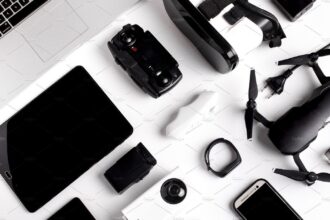
Power banks have become non-negotiable travel items. Your phone is your camera, map, translator, and entertainment system all rolled into one. When it dies, you’re stuck. A good power bank charges your phone at least three times before needing a recharge itself. Look for models with multiple USB ports so you can charge several devices at once.
Universal travel adapters save you from buying new chargers in every country. The best adapters work in over 150 countries and include USB ports for charging multiple devices. Some even have built-in surge protection to keep your expensive electronics safe from power spikes.
Noise-canceling headphones transform long flights and bus rides. They block out crying babies, loud conversations, and engine noise, letting you sleep or focus on your book. Wireless models are more convenient because you don’t have tangled cords to deal with.
Portable WiFi hotspots give you reliable internet anywhere in the world. Instead of hunting for coffee shops with free WiFi or buying expensive data plans, you carry your own internet connection. This is especially useful when traveling to remote areas or countries with limited public internet access.
E-readers pack thousands of books into a device smaller than a single paperback. They’re perfect for long trips when you want reading options without the weight. The screens work in bright sunlight, unlike tablets, and batteries last for weeks.
Clothing and Packing Essentials
Smart packing isn’t about bringing more stuff. It’s about bringing the right stuff that works in multiple situations.
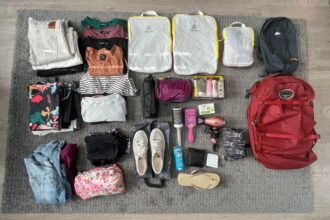
Packing cubes organize your backpack like magic. These zippered fabric containers separate clean clothes from dirty ones, keep similar items together, and compress your clothes to save space. You can pull out exactly what you need without creating chaos in your bag.
Quick-dry travel clothing has improved dramatically. Modern fabrics wick moisture away from your skin, dry overnight, and resist wrinkles. You can wash a shirt in your hotel sink at night and wear it the next morning. This means you can travel with fewer clothes and do laundry less often.
Merino wool is the secret weapon of experienced travelers. Unlike regular wool, merino is soft, lightweight, and naturally resistant to odors. You can wear the same merino shirt for several days without it smelling bad. It keeps you warm when it’s cold and cool when it’s hot.
A packable rain jacket takes up almost no space but provides crucial protection. Look for jackets that fold into their own pocket and weigh less than a water bottle. Waterproof and breathable fabrics keep you dry without making you sweaty.
Compression bags squeeze air out of your clothes, creating more room in your backpack. They’re especially useful for bulky items like jackets and sweaters. Just remember that while they save space, they don’t reduce weight.
Travel Safety and Health Items
Staying healthy and safe on the road requires some basic preparation and the right supplies.
A compact first aid kit handles minor emergencies like cuts, blisters, and headaches. Include bandages, pain relievers, antibiotic ointment, and any prescription medications you take regularly. Add motion sickness pills if you’re prone to car or sea sickness.
Water purification systems let you drink safely anywhere in the world. Portable water filters remove bacteria and parasites from questionable water sources. Some bottles have built-in filters, turning any water into safe drinking water. This saves money on bottled water and reduces plastic waste.
RFID-blocking wallets protect your credit cards and passport from electronic pickpockets. Thieves can scan your cards through your pocket or bag, stealing your information without touching you. RFID-blocking materials stop these scans, keeping your financial information safe.
Portable door locks add security to hotel rooms and hostels. These small devices wedge under the door or attach to the door frame, making it much harder for someone to enter your room. They’re especially useful in budget accommodations where door locks might be old or unreliable.
Photography and Documentation Gear
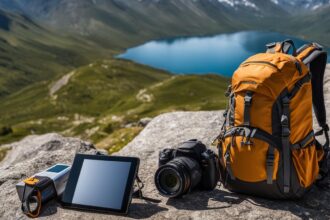
Capturing memories is a big part of travel. Having the right equipment helps you document your adventures without carrying professional camera bags.
Smartphone camera lenses expand what your phone can photograph. Clip-on wide-angle lenses capture entire buildings or landscapes. Macro lenses let you photograph tiny details like insects or flowers. These small additions dramatically improve your photos without requiring a separate camera.
Portable tripods or phone grips stabilize your camera for better photos and videos. They’re especially useful for night photography, long exposures, and selfies. Look for flexible tripods that wrap around poles or branches for creative angles.
Waterproof phone cases protect your device during beach days, boat trips, or unexpected rain. You can use your phone underwater to capture swimming and snorkeling adventures. Make sure the case allows full touchscreen functionality.
Comfort Items That Make Travel Better
Small comfort items can turn a tiring journey into a pleasant experience.
Travel pillows support your neck during long flights or bus rides. Memory foam pillows mold to your neck shape, preventing the stiff neck that ruins the first day of your trip. Look for pillows with washable covers because they get dirty quickly.
Eye masks block light so you can sleep during the day or on red-eye flights. Complete darkness helps your body produce melatonin, the sleep hormone. Choose masks with contoured shapes that don’t press on your eyelids.
Reusable water bottles keep you hydrated without creating plastic waste. Insulated bottles keep drinks cold for 24 hours or hot for 12 hours. Collapsible bottles take up less space when empty.
Microfiber towels dry quickly and pack small, making them perfect for travelers. They absorb more water than regular towels and dry in a fraction of the time. Use them at the beach, gym, or as an extra layer on uncomfortable hostel beds.
Organizing Your Digital Life While Traveling
Managing cables, chargers, and small electronics becomes easier with proper organization.
Cable organizers keep charging cables, earbuds, and adapters from becoming tangled messes at the bottom of your bag. Small pouches with elastic loops hold everything in place. You can find what you need instantly instead of untangling knots for five minutes.
External hard drives or cloud storage back up your photos and important documents. Imagine losing your phone with thousands of vacation photos. Regular backups prevent this heartbreak. Cloud storage works anywhere with internet, while hard drives don’t require connectivity.
Sustainable Travel Gear Choices
More travelers care about their environmental impact. Choosing sustainable gear helps protect the places you visit.
Many companies now make backpacks and bags from recycled plastic bottles. These products are just as durable as traditional materials but give new life to waste. Supporting these brands encourages more sustainable manufacturing.
Reusable shopping bags fold tiny but expand to hold groceries or souvenirs. They replace plastic bags and can serve as extra storage when you buy too much on your trip.
Bamboo utensils and stainless steel straws let you eat on the go without creating plastic waste. Many restaurants and street food vendors still use disposable cutlery. Carrying your own reduces your plastic footprint significantly.
Planning Your Gear According to Your Destination
Different trips require different equipment. Beach vacations need different gear than mountain hiking trips.
Research your destination’s climate before packing. Tropical locations require lightweight, breathable clothing and lots of sun protection. Cold destinations need layered clothing and waterproof outer layers. Understanding the weather helps you pack smarter.
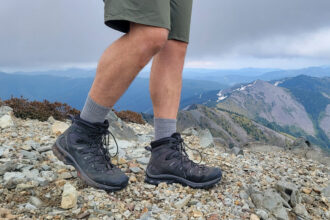
Consider the activities you’ll do. Hiking trips need proper boots and outdoor gear. City exploration requires comfortable walking shoes and a secure bag for crowded areas. Adventure activities might need specialized equipment you can rent at your destination instead of carrying from home.
Making Smart Investment Decisions
Travel gear represents an investment in future adventures. Buying quality items costs more upfront but saves money over time.
Read reviews from actual travelers before purchasing. Real experiences reveal problems that product descriptions hide. Look for reviews mentioning durability, comfort after extended use, and customer service experiences.
Consider warranty and return policies. Good companies stand behind their products with multi-year warranties. If something breaks during normal use, they repair or replace it. This protects your investment and shows the company believes in their product quality.
Start with essentials and add specialized items as you travel more. You don’t need everything at once. A good backpack, comfortable shoes, and basic electronics cover most trips. As you discover your travel style, you’ll know what additional gear would improve your experience.
Ready to Start Your Journey?
Having the right travel gear transforms your adventures from stressful to spectacular. Quality backpacks carry your belongings comfortably. Smart gadgets keep you connected and entertained. Proper clothing adapts to changing conditions. Safety items protect your health and belongings.
Remember that the best gear for you depends on your travel style, destinations, and personal preferences. What works perfectly for someone else might not suit your needs. Think about your typical trips and choose gear that solves your specific challenges.
At MileTrails, we’re passionate about helping travelers prepare for amazing adventures. Whether you’re planning your first trip or your fiftieth, having reliable gear makes every journey better. Browse our travel guides and tips to discover more ways to enhance your travels.
Start building your travel kit today. Your next adventure is waiting, and with the right equipment, you’ll be ready for anything the road brings your way.
Frequently Asked Questions
How much should I spend on a good travel backpack?
A quality travel backpack typically costs between 100 and 300 dollars. This might seem expensive, but a good backpack lasts for years and hundreds of trips. Cheaper backpacks often break quickly, forcing you to buy replacements. Think of your backpack as a long-term investment in comfortable travel rather than a one-time purchase.
Can I bring a power bank on an airplane?
Yes, you can bring power banks on airplanes, but they must go in your carry-on luggage, not checked bags. Airlines limit power banks to 100 watt-hours or less without special permission. Most standard power banks fall well below this limit. Always check your specific airline’s rules before flying, as regulations can vary slightly.
What size backpack works best for international travel?
For most international trips, a 40 to 50-liter backpack provides the perfect balance. This size holds a week’s worth of clothes and essentials while still qualifying as carry-on luggage on most airlines. You avoid checked baggage fees and the risk of lost luggage while having everything you need for extended travel.
Are expensive travel gadgets worth the money?
Quality travel gadgets often justify their higher prices through better durability, reliability, and features. A cheap power bank might die after a few months, while a quality one lasts for years. However, you don’t need the most expensive option in every category. Read reviews carefully and choose products with the features you’ll actually use.
How can I pack lighter without leaving important items behind?
Packing lighter requires planning and smart choices. Wear your bulkiest items during travel. Choose clothing that works for multiple occasions. Use packing cubes to compress clothes. Ask yourself if you’ll really use each item during your trip. Remember that most destinations have stores where you can buy forgotten items if needed.
What travel gear items provide the best value for money?
Packing cubes, microfiber towels, and universal adapters provide excellent value. They’re relatively inexpensive, solve real problems, and last for many years. A good water bottle also ranks high because it saves money on bottled water while reducing plastic waste. These items improve every trip without breaking your budget.