



Planning a family vacation to a national park can feel overwhelming when you are trying to keep everyone happy. Parents want nature and adventure while kids need fun activities and comfortable places to stay. The good news is that America has dozens of national parks perfect for families with children of all ages.
- Why National Parks Are Perfect for Family Vacations
- Best National Parks for Families with Young Children
- Planning Your Family National Park Adventure
- Where to Stay During Your National Park Visit
- Essential Items to Pack for Family Park Trips
- Making the Most of Your National Park Experience
- Safety Tips for Families in National Parks
- Creating Educational Moments During Your Visit
- When to Visit Different National Parks
- Making Your National Park Trip Accessible and Inclusive
- Planning Your Next Adventure
- Frequently Asked Questions
- What is the best age to take kids to national parks?
- How much does it cost to visit a national park with a family?
- Are national parks safe for children?
- What should I do if my child gets scared of wildlife?
- Can I bring my pet to national parks?
- How far in advance should I book accommodations?
- What if the weather turns bad during our visit?
- Do I need hiking experience to visit national parks?
This guide will help you choose the best family-friendly national parks and show you exactly how to plan your trip including where to stay and what to bring. Whether you have toddlers or teenagers, these parks offer something special for every member of your family.
Why National Parks Are Perfect for Family Vacations
National parks provide an incredible opportunity to disconnect from screens and reconnect with nature. Children get to see wildlife in their natural habitat, explore trails at their own pace, and learn about geology and ecosystems in ways that no classroom can teach.
Many families worry that national parks might be too challenging for young children or not entertaining enough for older kids. The reality is quite different. Most major national parks have ranger programs specifically designed for kids, easy walking paths suitable for strollers, and educational activities that make learning feel like play.
The memories created during a national park vacation last a lifetime. Watching your child see a bear for the first time or summit their first mountain creates bonds and builds confidence in ways that theme parks simply cannot match.
Best National Parks for Families with Young Children
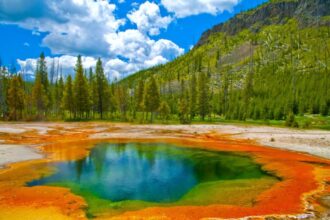
Yellowstone National Park stands out as one of the most family-friendly destinations in the entire park system. The geysers and hot springs fascinate children who love watching Old Faithful erupt on schedule. The park has boardwalks that make viewing these natural wonders easy even with strollers.
Acadia National Park in Maine offers gentle carriage roads perfect for biking with kids. The park sits right next to the charming town of Bar Harbor where families can enjoy ice cream shops and restaurants after a day of exploring. The relatively small size of Acadia means less driving and more time enjoying nature.
Great Smoky Mountains National Park welcomes more visitors than any other national park partly because it charges no entrance fee. Families can explore dozens of waterfalls, spot black bears from the safety of their car, and visit historic buildings that show how people lived in the mountains generations ago.
Yosemite National Park in California has jaw-dropping scenery that impresses visitors of all ages. Kids love splashing in the Merced River during summer while parents photograph the famous granite cliffs. The valley floor has flat paved paths perfect for young walkers.
Planning Your Family National Park Adventure
Start planning your trip at least six months in advance especially if you want to visit during summer or holiday periods. Popular parks fill up quickly and lodging inside the parks often books out a year ahead.
Consider the ages and abilities of your children when choosing which park to visit. A family with a toddler might enjoy parks with shorter trails and more facilities while a family with teenagers might seek more challenging hikes and backcountry camping opportunities.
Check the weather patterns for your chosen park during your travel dates. Mountain parks like Rocky Mountain National Park can have snow even in June while desert parks like Joshua Tree become extremely hot in summer. Spring and fall often provide the most comfortable conditions for families.
Most national parks have Junior Ranger programs where children complete activity books and earn badges. These free programs keep kids engaged and teach them about the park in fun interactive ways. Pick up a Junior Ranger booklet at any visitor center when you arrive.
Where to Stay During Your National Park Visit
Staying inside a national park puts you closest to the attractions and lets you experience wildlife at dawn and dusk when animals are most active. Park lodges range from rustic cabins to full-service hotels with restaurants and gift shops.
Camping creates an authentic outdoor experience and costs much less than lodging. Many national park campgrounds have flush toilets, running water, and even showers. Reserve campsites through Recreation.gov as soon as your dates become available.
Gateway towns located just outside park entrances offer more lodging variety and often lower prices. These towns have grocery stores where you can stock up on snacks and picnic supplies. Staying in a gateway town works well if you have very young children who might need quick access to amenities.
For families who enjoy comfort, several parks have historic lodges that combine rustic charm with modern conveniences. Old Faithful Inn in Yellowstone and Ahwahnee Hotel in Yosemite provide unforgettable experiences though they require booking many months ahead.
Consider renting a cabin or vacation home if you are traveling with extended family or planning to stay several days. Having a kitchen saves money on meals and gives you flexibility with feeding picky eaters.
Essential Items to Pack for Family Park Trips
Every family member needs sturdy shoes with good traction even if you only plan easy walks. Trails can have roots, rocks, and uneven surfaces that make flip-flops dangerous. Break in new shoes before your trip to avoid blisters.
Layer clothing rather than packing heavy jackets. Mountain weather changes quickly and layers let you adjust as temperatures rise and fall throughout the day. Include rain jackets even if the forecast looks clear.
Bring plenty of snacks and refillable water bottles. Kids get hungry and thirsty more often during outdoor activities. Having snacks handy prevents meltdowns and saves money compared to buying food at park concessions.
Pack a basic first aid kit with bandages, antibiotic ointment, pain reliever, and any prescription medications your family needs. Add sunscreen and insect repellent since you will spend most of your time outdoors.
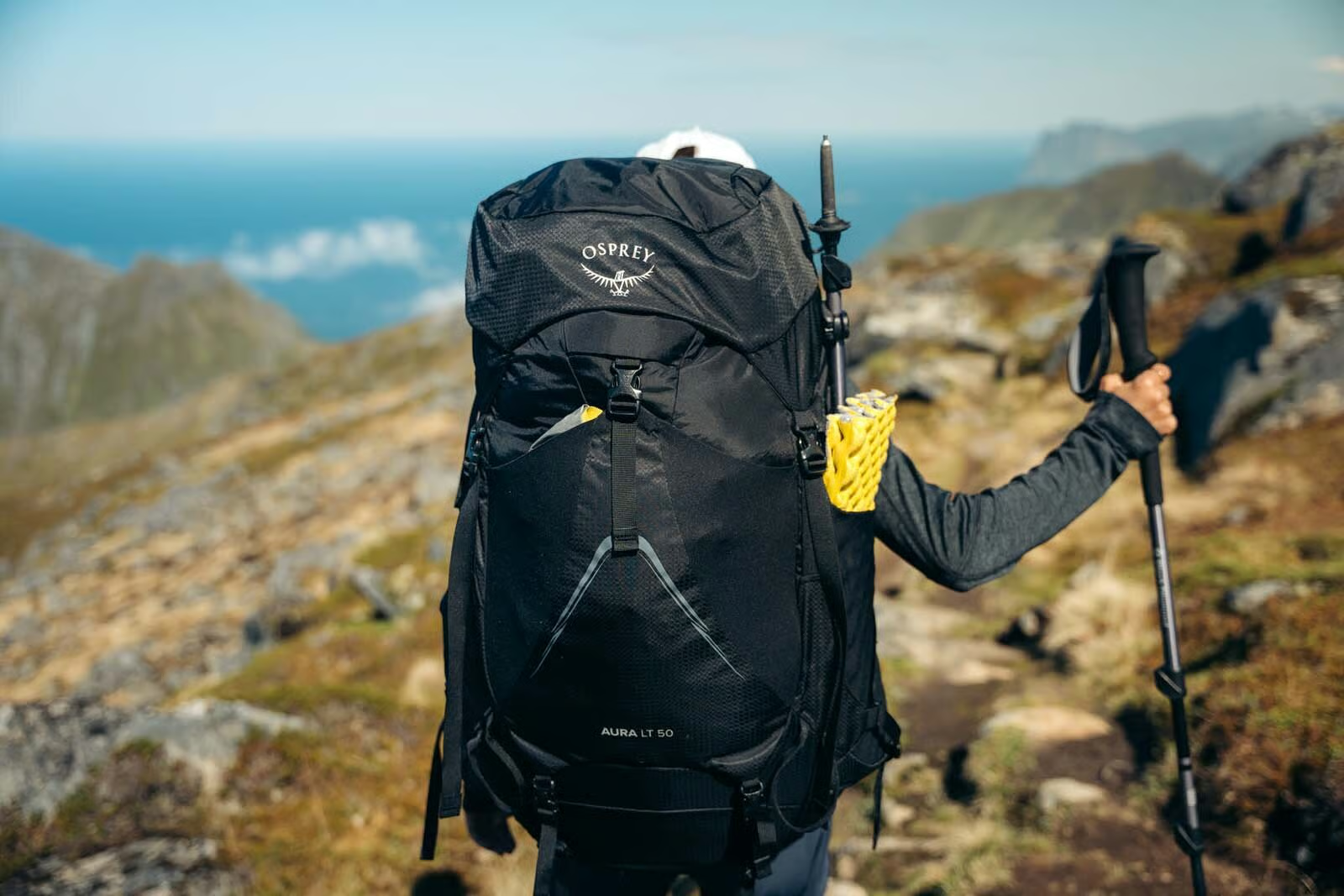
A backpack for day hikes should include a map, flashlight, emergency blanket, and whistle. Even on short walks, having basic safety gear gives you peace of mind. Let older children carry their own small backpacks to build responsibility.
Making the Most of Your National Park Experience
Arrive at popular attractions early in the morning before crowds gather. Parking lots at trailheads and viewpoints fill up by mid-morning during peak season. Early starts also increase your chances of seeing wildlife.
Take breaks often especially with young children. Pushing kids too hard leads to complaints and ruins the experience for everyone. Plan shorter hikes than you think you can manage and celebrate completing them rather than attempting ambitious goals.
Let children set the pace on trails within reason. Stopping to examine interesting rocks, watch insects, or splash in streams makes the journey more meaningful than rushing to reach a destination. Nature offers countless opportunities for discovery at every step.
Attend ranger programs which happen daily at most major parks. Rangers share fascinating stories and information that bring the landscape to life. Evening programs around campfires create magical family memories.
Visit the national parks website at MileTrails.com for detailed guides on specific parks including trail recommendations, camping tips, and seasonal considerations. The site offers insider knowledge that helps families avoid common mistakes and discover hidden gems.
Safety Tips for Families in National Parks
Wildlife viewing excites children but requires maintaining safe distances. Park regulations specify how far to stay from different animals. Use binoculars or zoom lenses to see wildlife up close without approaching them.
Stay on marked trails to protect both the environment and your family. Shortcuts cause erosion and can lead you into dangerous terrain. Teach children that staying on the path shows respect for nature.
Never leave children unattended near water features. Streams that look calm can have strong currents and slippery rocks. Even shallow water poses risks for young children.
Teach kids what to do if they become separated from the group. Children should stay in one place rather than wandering and call out for help. Consider giving each child a whistle to blow if they get lost.
Check for ticks after hiking through grassy or wooded areas. Remove any ticks promptly and watch for signs of illness in the following weeks. Wearing long pants and using insect repellent reduces tick encounters.
Creating Educational Moments During Your Visit
Point out different types of trees, flowers, and rocks you encounter. You do not need to know all the scientific names to encourage observation and curiosity. Many parks have identification guides available at visitor centers.
Explain how ecosystems work in simple terms. Show children how fallen trees provide homes for insects which feed birds which might be eaten by larger animals. These connections help kids understand their place in the natural world.
Discuss conservation and why protecting national parks matters. Children who develop appreciation for wild places become adults who support environmental protection. Share stories about the people who fought to preserve these lands for future generations.
Take photos and videos but also encourage children to simply observe and remember. Constant photo-taking can distract from actually experiencing a place. Balance documentation with presence.
Keep a family journal where everyone records their favorite moments, animals they saw, or new things they learned. Writing or drawing about experiences helps solidify memories and gives you something to look back on years later.
When to Visit Different National Parks
Summer remains the most popular season but also the most crowded and expensive. If your children attend traditional schools, you have limited options. Visiting right after school ends in June or just before it starts in late August can mean slightly smaller crowds.
Fall offers beautiful weather, changing leaves, and fewer visitors at most parks. September and October provide excellent conditions for family trips though some high-elevation areas may have early snow.
Winter transforms many parks into snowy wonderlands perfect for families who enjoy cold-weather activities. Parks like Yosemite and Yellowstone offer snowshoeing, cross-country skiing, and unique wildlife viewing opportunities during winter months.
Spring brings wildflowers, baby animals, and mild temperatures. However, spring also means unpredictable weather, muddy trails, and possible road closures in mountain parks. Check current conditions before traveling.
Making Your National Park Trip Accessible and Inclusive
Many national parks have paved accessible trails and viewpoints that accommodate wheelchairs and strollers. Ask at visitor centers about accessible options and consider borrowing mobility equipment available at some parks.
Sensory-friendly spaces exist at several parks for children who need quiet areas. Planning breaks in less crowded spots helps children who feel overwhelmed by noise and activity.
Parks offer programs in multiple languages and have materials for visitors with different abilities. Contact the park before your visit to discuss specific needs and accommodations.
Planning Your Next Adventure
After experiencing your first family national park trip, you will likely want to explore more. Each park offers unique landscapes and opportunities. Consider creating a goal to visit multiple parks over several years.
Start a national park passport book where children collect stamps from each park they visit. These stamps serve as souvenirs and encourage kids to look forward to future adventures.
Share your experiences with friends and family to inspire them to explore national parks too. The more people who visit and appreciate these protected spaces, the more support exists for preserving them.
Remember that national park trips do not need to be perfect to be meaningful. Rain, tired kids, and unexpected challenges often become the stories you laugh about years later. Focus on spending time together in beautiful places rather than checking off every attraction.
Discover more national park travel guides, camping tips, and family adventure ideas at MileTrails.com where we share practical advice based on real experiences. Start planning your next unforgettable family journey today.
Frequently Asked Questions
What is the best age to take kids to national parks?
Children of any age can enjoy national parks with proper planning. Toddlers love seeing animals and playing outdoors while teenagers appreciate challenging hikes and photography opportunities. Even infants benefit from fresh air and nature exposure. Choose parks and activities that match your children’s abilities and interests.
How much does it cost to visit a national park with a family?
Most national parks charge entrance fees between twenty and thirty-five dollars per vehicle which covers everyone in the car for seven days. An America the Beautiful Annual Pass costs eighty dollars and provides access to all national parks for one year making it worthwhile if you visit multiple parks. Some parks like Great Smoky Mountains have no entrance fee at all.
Are national parks safe for children?
National parks are generally very safe when families follow basic precautions. Stay on marked trails, maintain safe distances from wildlife, supervise children near water, and prepare for weather changes. Most injuries happen when people ignore posted warnings or attempt activities beyond their skill level. Teaching children park safety rules makes visits enjoyable and secure.
What should I do if my child gets scared of wildlife?
Remain calm yourself since children pick up on adult anxiety. Explain that animals want to avoid people just as much as we want to give them space. Use binoculars to observe wildlife from safe distances. If a child seems frightened, calmly move away from the animal while facing it and talking in normal tones. Most wildlife encounters are brief and the animal moves away quickly.
Can I bring my pet to national parks?
Pet policies vary by park but most national parks have significant restrictions on where pets can go. Generally, pets must stay on leashes and are only allowed in developed areas like campgrounds and along roads but not on trails. Service animals have greater access. Consider leaving pets with a trusted caregiver if possible since restrictions limit where you can explore with your family.
How far in advance should I book accommodations?
Book lodging inside popular national parks at least six months to one year ahead for summer visits. Campgrounds often open for reservations six months before arrival dates and fill within hours for peak season. Gateway town hotels offer more flexibility though prices increase closer to travel dates. Shoulder seasons require less advance planning.
What if the weather turns bad during our visit?
Many park visitor centers have indoor exhibits perfect for rainy days. Some parks have museums or historic buildings to explore. Check if the park offers ranger programs in covered amphitheaters. Embrace light rain with proper gear as trails become less crowded and wildlife often appears more active. Only severe weather like lightning or heavy snow should keep you inside.
Do I need hiking experience to visit national parks?
Absolutely not. Every major national park has easy paved trails and viewpoints accessible to beginners. Start with short flat walks and gradually try longer trails as your family builds confidence. Rangers at visitor centers can recommend routes appropriate for your group. Many famous park attractions require minimal walking to see.