

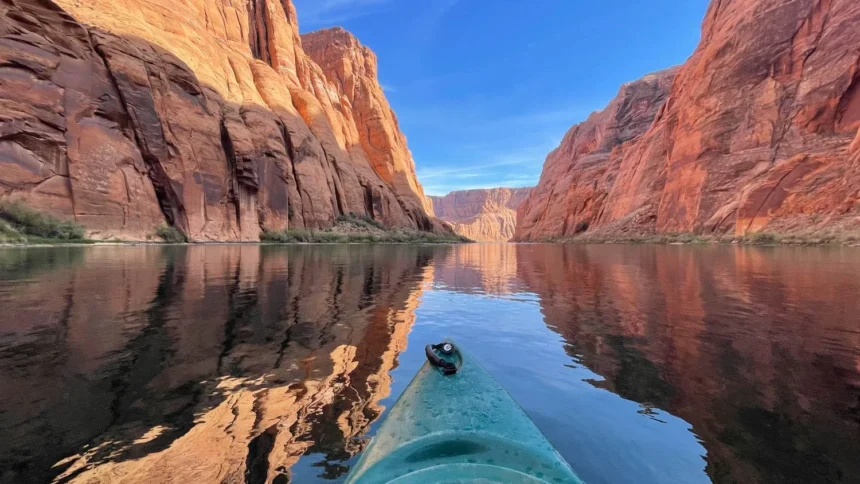
When most people think about visiting national parks in America, their minds immediately jump to the famous ones like Yellowstone, Grand Canyon, or Yosemite. While these popular destinations are absolutely worth visiting, there are dozens of lesser-known national parks that offer equally stunning landscapes, incredible wildlife, and far fewer crowds. These hidden gem national parks provide authentic outdoor experiences without the hassle of fighting for parking spots or waiting in long lines at trailheads.
- Why Lesser-Known National Parks Deserve Your Attention
- Great Basin National Park in Nevada
- North Cascades National Park in Washington
- Guadalupe Mountains National Park in Texas
- Congaree National Park in South Carolina
- Isle Royale National Park in Michigan
- Planning Your Visit to Hidden Gem Parks
- Making the Most of Your Hidden Gem Adventure
- Frequently Asked Questions About Hidden Gem National Parks
Many travelers miss out on these amazing places simply because they have not heard about them. The truth is that the United States has 63 designated national parks, and while only a handful get most of the attention, the rest remain wonderfully uncrowded and full of natural beauty. If you are planning your next outdoor adventure, consider exploring these overlooked treasures that deserve a spot on your travel bucket list.
Why Lesser-Known National Parks Deserve Your Attention
Visiting hidden gem national parks comes with several advantages that even the most famous parks cannot always provide. The most obvious benefit is the lack of crowds. During peak summer months, popular parks can feel more like theme parks than wilderness areas. In contrast, lesser-known parks offer peaceful trails where you might spend hours without seeing another person.
These quieter parks also tend to be easier on your wallet. Camping spots are more readily available, and you do not need to book accommodations months in advance. The surrounding towns often have more affordable lodging options compared to gateway communities near famous parks where prices can skyrocket during tourist season.
Another important reason to visit these parks is the authentic connection with nature they provide. Without the distractions of large tour groups and constant visitor chatter, you can truly immerse yourself in the natural environment. The sounds of wildlife, rustling leaves, and flowing water become your soundtrack rather than the noise of other tourists.
Great Basin National Park in Nevada
Tucked away in eastern Nevada, Great Basin National Park remains one of the most undervisited parks in the entire system. This park offers an incredibly diverse landscape that ranges from desert valleys to snow-capped peaks reaching over 13,000 feet. The park is home to ancient bristlecone pine trees, some of which are over 4,000 years old, making them among the oldest living organisms on Earth.
One of the park’s main attractions is Lehman Caves, a stunning underground world filled with intricate formations including stalactites, stalagmites, and rare shield formations. The cave tours are intimate and educational, providing insights into the geological processes that created these beautiful structures over millions of years.
Great Basin is also recognized as an International Dark Sky Park, meaning it offers some of the best stargazing opportunities in the country. On clear nights, you can see the Milky Way stretching across the sky with remarkable clarity. The lack of light pollution makes this park a paradise for astronomy enthusiasts and anyone who appreciates the beauty of a truly dark night sky.
The park sees fewer than 150,000 visitors annually, compared to millions at more famous parks. This means you can hike popular trails like the Bristlecone Pine Grove Trail or climb Wheeler Peak without encountering the crowds that plague other destinations.
North Cascades National Park in Washington
Despite being located in the beautiful state of Washington, North Cascades National Park receives surprisingly few visitors each year. This park features dramatic mountain scenery with jagged peaks, over 300 glaciers, and pristine alpine lakes that rival anything you would find in more famous mountain parks.
The park offers incredible opportunities for serious hikers and backpackers. Trails wind through old-growth forests, past cascading waterfalls, and up to stunning viewpoints overlooking glacier-carved valleys. The Cascade Pass Trail is particularly beautiful, offering sweeping views of the surrounding peaks without requiring technical climbing skills.
Wildlife viewing is exceptional in North Cascades. The park is home to black bears, mountain goats, wolverines, and gray wolves. Bird watchers can spot species like the American dipper, spotted owl, and various raptors soaring above the peaks.
What makes North Cascades truly special is its wild character. Much of the park remains undeveloped, preserving its natural state. There are no lodges or restaurants within park boundaries, which helps maintain the wilderness atmosphere that serious nature lovers appreciate.
Guadalupe Mountains National Park in Texas
Located in western Texas, Guadalupe Mountains National Park protects the highest peaks in the state along with the most extensive Permian fossil reef on Earth. This park tells a fascinating geological story dating back 265 million years when the region was covered by an ancient sea.
The park’s most famous hike leads to Guadalupe Peak, the highest point in Texas at 8,751 feet. The challenging trail rewards hikers with panoramic views stretching across the Chihuahuan Desert. In fall, McKittrick Canyon transforms into a spectacular display of autumn colors, which is quite rare in Texas and draws photographers from across the region.
Despite its unique geology and beautiful landscapes, Guadalupe Mountains receives relatively few visitors. This means you can enjoy the trails, camping areas, and scenic vistas without the crowds found at more popular southwestern parks. The park’s remote location contributes to its peaceful atmosphere and provides a true sense of solitude.
The park also offers excellent opportunities for stargazing, wildlife observation, and learning about the natural history of the region. Rangers lead educational programs that help visitors understand the geological forces that shaped these ancient mountains.
Congaree National Park in South Carolina
Congaree National Park protects the largest intact expanse of old-growth bottomland hardwood forest in the United States. This park offers a completely different experience from the mountain parks, showcasing the beauty of southern wetlands and towering trees that create a lush canopy overhead.
The park is home to some of the tallest trees in the eastern United States, with many loblolly pines, water tupelos, and bald cypresses reaching heights over 150 feet. Walking beneath these giants on the boardwalk loop trail feels like stepping into a prehistoric forest.
Canoeing through the park’s waterways provides an intimate perspective on this unique ecosystem. Paddlers can explore blackwater creeks and sloughs while watching for river otters, turtles, and numerous bird species. The park’s synchronous fireflies, which light up in unison during late spring, create a magical natural light show that attracts visitors from around the world for just a few weeks each year.
Congaree receives far fewer visitors than most national parks, partly because wetland environments are less popular than dramatic mountain or canyon landscapes. However, this park offers a peaceful retreat and an opportunity to experience an ecosystem that is increasingly rare in the modern world.
Isle Royale National Park in Michigan
Isle Royale sits in the middle of Lake Superior and is one of the least visited national parks in the system due to its remote island location. Reaching the park requires either a ferry ride or seaplane, which means visitors must be committed to the experience. This remoteness is exactly what makes Isle Royale so special.
The park is a paradise for backpackers who want true wilderness experiences. Miles of trails wind through forests, along rocky shorelines, and past inland lakes. The park is famous among scientists for its wolf and moose populations, which have been studied for decades as a classic example of predator-prey relationships.
Kayaking around the island offers stunning views of the rugged coastline and opportunities to explore small coves and hidden beaches. The clear waters of Lake Superior provide excellent visibility for observing underwater rock formations and shipwrecks that tell stories of the lake’s maritime history.
Because the park is only accessible during certain months of the year and requires advance planning to visit, it maintains an exclusive feel without actually being exclusive. Anyone willing to make the journey can experience this incredible wilderness area in its natural state.
Planning Your Visit to Hidden Gem Parks
When planning a trip to lesser-known national parks, research is essential. These parks often have fewer facilities than popular destinations, so you need to prepare accordingly. Check park websites for current conditions, road closures, and seasonal considerations that might affect your visit.
Many hidden gem parks are located in remote areas, which means cell phone service may be limited or nonexistent. Download maps and important information before arriving, and let someone know your travel plans. Pack extra food, water, and emergency supplies since services may be far from the park entrance.
The best times to visit these parks often differ from more famous destinations. Some parks are most beautiful during shoulder seasons when popular parks are crowded. Research the ideal visiting times for your chosen park to maximize your experience.
Consider combining visits to multiple lesser-known parks in the same region. This approach allows you to experience different landscapes and ecosystems while making the most of your travel time. For example, you could visit both Great Basin and Guadalupe Mountains on a single trip through the Southwest.
At MileTrails, we provide detailed guides and planning resources for national parks across the country. Our articles help you discover the best trails, camping spots, and attractions at both famous and hidden gem parks. Whether you are planning your first national park visit or your fiftieth, we have the information you need to make your trip unforgettable.
Making the Most of Your Hidden Gem Adventure
To truly appreciate these lesser-known parks, approach them with curiosity and an open mind. Without the preconceived expectations that come with visiting famous landmarks, you can discover beauty in unexpected places. Take time to talk with park rangers who are often more available at quieter parks and passionate about sharing their knowledge.
Participate in ranger-led programs when available. These educational opportunities provide insights into the park’s ecology, geology, and history that you might miss on your own. Rangers at less-visited parks often have more time to answer questions and share personal stories about the area.
Practice Leave No Trace principles to help preserve these special places for future generations. Because these parks receive less funding and attention than their famous counterparts, every visitor’s actions have a greater impact on the environment. Pack out all trash, stay on designated trails, and respect wildlife from appropriate distances.
Document your experiences through photos and journals, then share your discoveries with friends and family. Word-of-mouth recommendations help these worthy parks gain the recognition they deserve while encouraging others to explore beyond the usual tourist destinations.
Ready to start planning your next national park adventure? Visit MileTrails for comprehensive guides, trail recommendations, and insider tips that will help you make the most of your visit to America’s hidden gem national parks.
Frequently Asked Questions About Hidden Gem National Parks
What makes a national park a hidden gem?
A hidden gem national park is one that receives significantly fewer visitors than famous parks despite offering equally impressive natural features. These parks often have unique landscapes, abundant wildlife, and excellent recreational opportunities without the crowds. Many hidden gems are located in more remote areas or represent ecosystems that are less familiar to typical tourists, such as wetlands or prairies rather than mountains or canyons.
Are lesser-known national parks safe to visit?
Lesser-known national parks are generally very safe to visit when you take appropriate precautions. The same safety rules apply as at any national park, including staying on marked trails, properly storing food away from wildlife, carrying adequate water and supplies, and checking weather conditions before heading out. Some hidden gem parks have fewer facilities and services, so being prepared and self-sufficient is more important than at heavily developed parks.
How do I find information about undervisited national parks?
The National Park Service website provides detailed information about all 63 national parks, including lesser-known ones. Travel blogs and outdoor websites like MileTrails offer firsthand experiences and practical tips for visiting these parks. Social media groups focused on national parks can connect you with other travelers who have visited hidden gems and can share recommendations based on personal experience.
Can I visit hidden gem national parks year-round?
Accessibility varies by park and depends on location and climate. Some parks like Congaree are open year-round with all facilities available, while others like Isle Royale close completely during winter months. Mountain parks may have limited road access during snow season. Always check the specific park’s website for current conditions and seasonal closures before planning your trip.
Do hidden gem national parks cost less to visit?
Entry fees at lesser-known parks are often the same as popular parks, but overall trip costs can be lower. Camping reservations are easier to obtain, lodging in nearby towns is typically more affordable, and you are less likely to need expensive advance reservations. The America the Beautiful annual pass covers entrance fees at all national parks, making it an excellent value if you plan to visit multiple parks in a year.
What should I pack differently for a hidden gem park?
Pack the same outdoor essentials you would for any national park, but consider bringing extra supplies since services may be limited. Download offline maps and trail guides since cell service is often unavailable. Bring more food and water than you think you will need, along with a first aid kit and emergency supplies. A physical park map and guidebook are valuable backups to digital resources.