

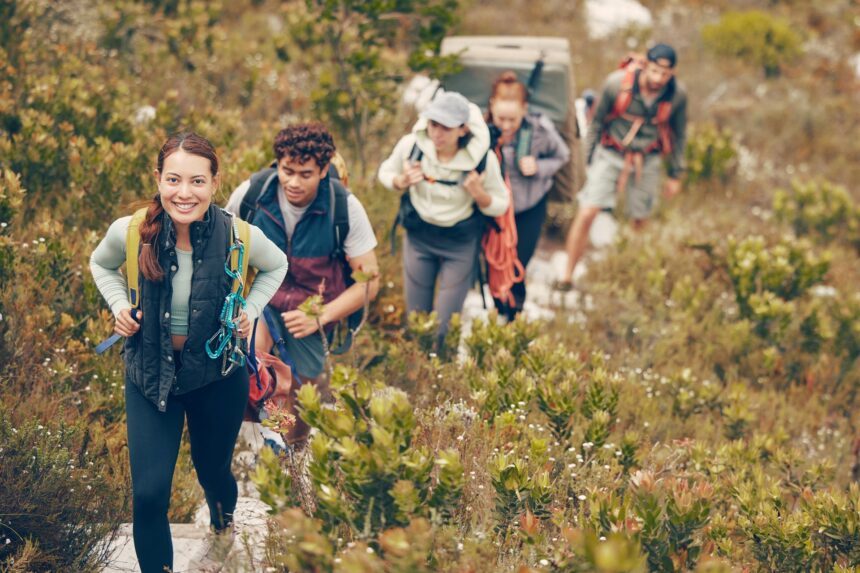
Planning your first multi-day hiking adventure can feel overwhelming. The idea of carrying everything you need on your back while exploring trails for several days brings both excitement and worry. Many first-time backpackers wonder if they have the right gear, enough food, or proper skills to complete their journey safely. The good news is that with proper preparation and planning, your first multi-day hike can become an unforgettable outdoor experience.
- Understanding What Multi-Day Hiking Really Means
- Choosing the Right Trail for Beginners
- Building Your Backpacking Gear Collection
- Planning Your Food and Water Strategy
- Developing Navigation and Safety Skills
- Preparing Your Body for the Physical Challenge
- Setting Up Camp and Trail Etiquette
- Making Your First Trip Successful
- Frequently Asked Questions
- How much should my backpack weigh for a multi-day hiking trip?
- What is the most important gear item for multi-day hiking?
- How do I know if I am physically ready for a multi-day hike?
- Can I go backpacking alone for my first multi-day trip?
- What happens if I get injured on the trail?
- How much does it cost to get started with multi-day hiking?
Multi-day hiking trips differ greatly from single-day hikes. You need to think about where you will sleep, how much water you can carry, what food will last without refrigeration, and how to navigate trails over multiple days. Understanding these differences helps you prepare better and enjoy your adventure without unnecessary stress or danger.
Understanding What Multi-Day Hiking Really Means
A multi-day hike means you will be on the trail for at least two days and one night. This requires carrying camping gear, sleeping equipment, food, water purification tools, and emergency supplies. Unlike day hikes where you return home each evening, multi-day trips make you self-sufficient in the wilderness.
The duration of your trip affects everything from pack weight to food planning. A weekend trip requires different preparation than a week-long adventure. For your first experience, starting with a two or three day hike makes more sense than attempting longer journeys. This gives you time to test your gear, build confidence, and learn what works best for your hiking style.
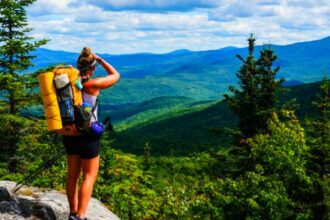
Most beginners underestimate how different hiking feels when carrying a heavy backpack for hours. Your normal hiking pace will slow down significantly. Trail sections that seem easy during day hikes become challenging when you carry 30 to 40 pounds on your back. Mental preparation matters just as much as physical readiness.
Choosing the Right Trail for Beginners
Selecting an appropriate trail determines whether your first multi-day hike succeeds or becomes a difficult struggle. Look for trails marked as beginner-friendly with moderate elevation gain and well-maintained paths. Popular trails often have better signage, more water sources, and established camping areas that make navigation easier.
Research the total distance you need to cover each day. For first-timers, planning to hike between 8 to 12 miles per day with a loaded pack feels manageable. This pace allows time for breaks, setting up camp, and enjoying the scenery without exhausting yourself. Pushing too hard on your first trip can lead to injuries and kill your enthusiasm for future adventures.
Consider trails with bail-out points where you can exit early if needed. These safety exits provide peace of mind, especially when you are still learning your physical limits. Reading recent trip reports from other hikers gives you realistic expectations about trail conditions, water availability, and potential challenges.
Weather patterns in the area matter tremendously. Some regions experience sudden temperature drops at night, while others might have afternoon thunderstorms. Understanding seasonal weather helps you pack appropriate clothing and plan your daily hiking schedule around safer conditions. Visit MileTrails.com to explore detailed guides about various national park trails suitable for beginner backpackers.
Building Your Backpacking Gear Collection
Gear selection overwhelms most first-time backpackers because outdoor stores sell hundreds of products claiming to be essential. The truth is you need quality items in a few key categories rather than every gadget available. Focus on getting the right backpack, shelter, sleeping system, and clothing before worrying about luxury items.
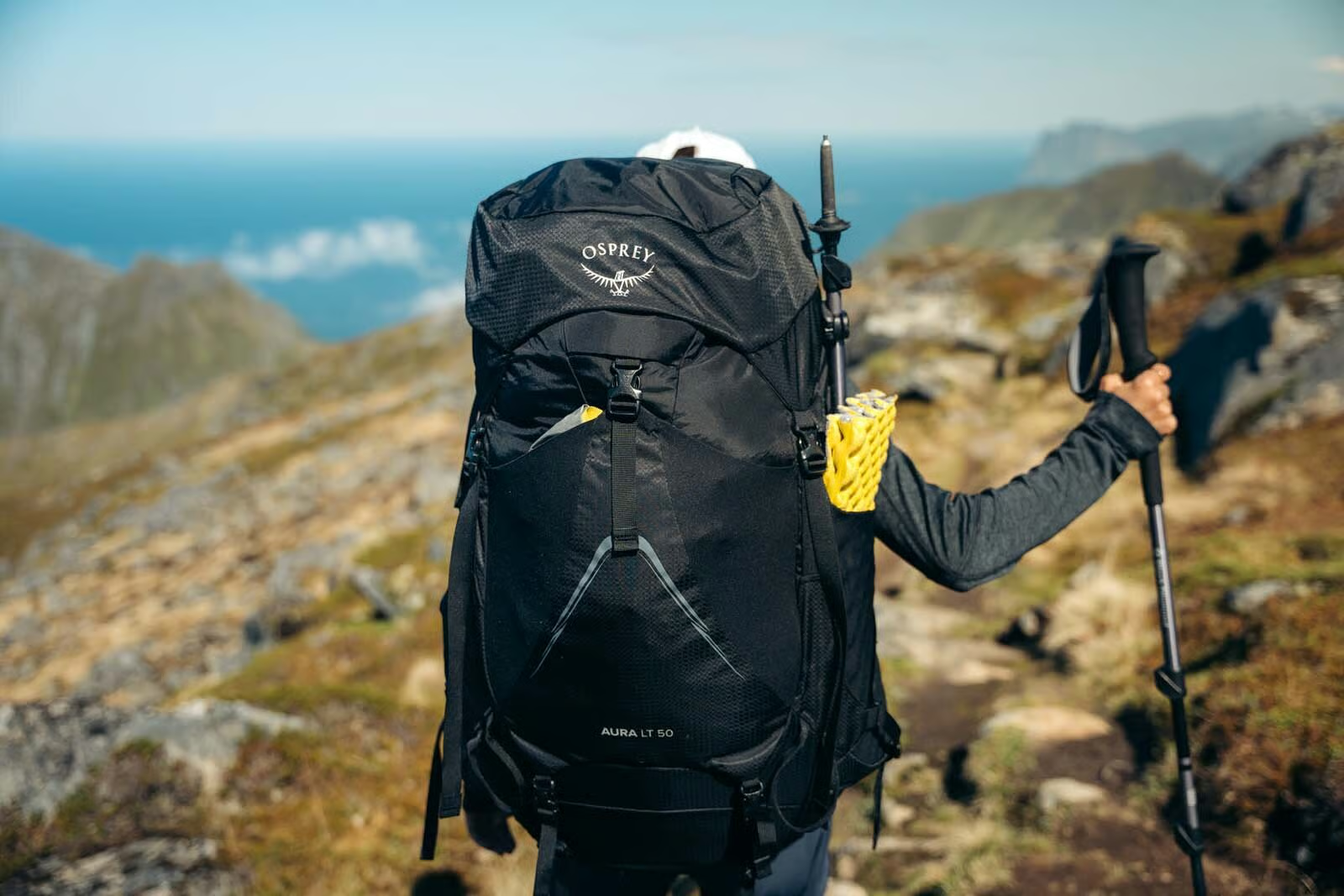
Your backpack serves as your mobile home, so choosing one that fits your body properly prevents pain and injury. Visit an outdoor store where staff can measure your torso length and help you find a pack with adequate capacity. For weekend trips, a 50 to 65 liter pack usually provides enough space without encouraging overpacking.
Tent selection depends on weather conditions and personal preferences. Lightweight backpacking tents designed for the number of people in your group offer the best balance between weight and protection. Make sure your tent includes a rainfly for unexpected weather. Some hikers prefer using a tarp shelter to save weight, but tents provide better protection for beginners still learning outdoor skills.
Your sleeping system includes a sleeping bag and sleeping pad. Sleeping bags come with temperature ratings that tell you the lowest temperature where you will stay comfortable. Choose a bag rated 10 to 15 degrees colder than the expected nighttime temperatures. Sleeping pads provide insulation from cold ground and cushioning for comfort. Inflatable pads pack smaller but require careful handling to avoid punctures.
Clothing follows a layering system that adapts to changing conditions throughout the day. Start with moisture-wicking base layers that pull sweat away from your skin. Add insulating mid-layers like fleece for warmth. Finish with waterproof outer layers to protect against rain and wind. Avoid cotton clothing because it stays wet and drains body heat. Synthetic fabrics or merino wool dry quickly and maintain warmth even when damp.
Planning Your Food and Water Strategy
Food planning for multi-day hikes requires balancing nutrition, weight, and preparation simplicity. Calculate roughly 2500 to 3500 calories per person per day depending on your size and hiking intensity. Dehydrated meals designed for backpacking offer convenient options that only require adding hot water.
Many hikers create their own trail meals using instant rice, pasta, dehydrated vegetables, nuts, dried fruits, and jerky. This approach costs less than commercial backpacking meals and allows customization based on your taste preferences. Pack foods that require minimal cooking to save fuel weight and preparation time at camp.
Snacks provide energy during hiking without requiring you to stop and cook. Trail mix, energy bars, cheese, crackers, and chocolate maintain energy levels throughout the day. Divide snacks into daily portions to prevent eating everything too quickly and running short on later days.
Water weighs about 8 pounds per gallon, making it impossible to carry all the water you need for multiple days. Instead, identify water sources along your route and carry purification methods. Water filters, purification tablets, and UV sterilizers each have advantages. Filters work quickly but require maintenance. Tablets take 30 minutes to work but weigh almost nothing. UV devices work fast but need batteries.
Plan to drink at least 3 to 4 liters of water daily, more in hot weather or at high elevations. Carry capacity for at least 2 liters between water sources. Study your trail map to locate streams, lakes, and springs where you can refill. Never drink untreated water from natural sources regardless of how clean it appears.
Developing Navigation and Safety Skills
Getting lost in the wilderness creates dangerous situations that proper navigation skills prevent. Even on well-marked trails, knowing how to read topographic maps and use a compass provides security. Download digital maps to your phone as backup, but always carry paper maps that work without batteries or cell service.
Learn to identify trail markers and blazes used in your hiking area. Different trail systems use various marking methods like painted blazes on trees, rock cairns, or wooden posts. Understanding the marking system before you start prevents confusion on the trail.
Tell someone your detailed hiking plan including your route, expected campsites, and return date. This person becomes your emergency contact who can alert authorities if you fail to return on time. Many trailheads have registration boxes where you should always sign in with your trip details.
Pack a basic first aid kit containing bandages, pain relievers, blister treatment, antiseptic, medical tape, and any personal medications. Know how to treat common hiking injuries like blisters, sprains, cuts, and insect bites before they become serious problems. Taking a wilderness first aid course builds confidence and potentially life-saving skills.
Emergency items like a whistle, fire starter, emergency shelter, headlamp with extra batteries, and multi-tool belong in every backpack. These items weigh little but provide critical help if unexpected situations arise. The 10 essentials concept guides what safety gear you should never hike without.
Preparing Your Body for the Physical Challenge
Multi-day hiking demands more physical conditioning than day hikes. Start training at least six to eight weeks before your trip by taking progressively longer day hikes with a weighted pack. Begin with 10 to 15 pounds and gradually increase to match your expected backpacking load.
Include elevation gain in your training hikes because climbing with a heavy pack uses different muscles than flat terrain. Stair climbing, lunges, and squats build leg strength needed for sustained uphill hiking. Core exercises improve balance and help prevent back pain from carrying your pack.
Break in your hiking boots before your multi-day trip to prevent painful blisters. Wear your boots on training hikes with the same socks you plan to use on your adventure. New boots need 20 to 30 miles of walking to mold to your feet properly. Never wear brand new boots on your first backpacking trip.
Practice setting up your tent and using your cooking equipment at home. Figuring out how gear works in your backyard feels much easier than struggling with instructions in the dark after a long day of hiking. Familiarity with your equipment speeds up camp setup and reduces frustration.
Setting Up Camp and Trail Etiquette
Choosing your campsite carefully protects the environment and ensures a comfortable night. Look for established camping areas rather than creating new sites that damage vegetation. Camp at least 200 feet away from water sources to protect water quality and wildlife access. Avoid camping in meadows or on soft vegetation that shows damage easily.
Set up your tent on level ground free from rocks, roots, and potential water runoff channels. Check overhead for dead branches called widow makers that could fall during wind. Store food properly using bear canisters or hanging bear bags in areas with wildlife. Never keep food, toothpaste, or scented items inside your tent.
Leave No Trace principles guide responsible wilderness behavior. Pack out all trash including toilet paper and food scraps. Use established fire rings where fires are allowed, or better yet, cook on a backpacking stove instead of building fires. Keep noise levels low to respect wildlife and other hikers seeking quiet nature experiences.
Proper waste disposal protects water sources and prevents disease spread. Dig catholes 6 to 8 inches deep at least 200 feet from water, trails, and camp for human waste. Pack out toilet paper in sealed bags. Some sensitive areas require packing out all human waste using special bags provided by land managers.
Making Your First Trip Successful
Start your hiking day early to avoid afternoon heat and thunderstorms common in many mountain regions. Pack your backpack the night before so you can begin hiking shortly after waking. Taking breaks every hour helps prevent exhaustion and allows time to enjoy surroundings rather than just pushing through miles.
Listen to your body and adjust your pace accordingly. Hiking with a heavy pack in wilderness terrain differs completely from gym workouts or running. Slow and steady wins the race in backpacking. Taking short breaks to drink water and eat snacks maintains energy better than powering through until you feel completely drained.
Document your experience through photos and a trail journal. Writing down your thoughts, challenges, and victories helps you remember details and plan better for future trips. Many hikers find that journaling enhances their connection to nature and provides a record of personal growth through outdoor adventures.
After completing your first multi-day hike, evaluate what worked well and what you would change. Review your gear choices, food selections, and daily mileage targets. This reflection transforms each trip into a learning experience that makes your next adventure even better. Consider sharing your experience on platforms like MileTrails.com where your insights can help other beginning backpackers prepare for their first multi-day journey.
Frequently Asked Questions
How much should my backpack weigh for a multi-day hiking trip?
Your total pack weight should stay below 20 percent of your body weight for comfortable hiking. This means a 150-pound person should carry no more than 30 pounds including water and food. Beginners often pack too much, so focus on needs versus wants when selecting gear.
What is the most important gear item for multi-day hiking?
Proper footwear ranks as the most critical gear because foot problems can end your trip immediately. Well-fitted, broken-in hiking boots or trail shoes designed for backpacking prevent blisters and provide ankle support on uneven terrain.
How do I know if I am physically ready for a multi-day hike?
If you can comfortably complete a 10-mile day hike with a 25-pound pack without excessive soreness, you have sufficient fitness for a beginner multi-day trip. Building up to this level gradually through training prevents injuries.
Can I go backpacking alone for my first multi-day trip?
Hiking with an experienced partner or small group provides safety and learning opportunities for first-timers. Solo backpacking requires advanced skills in navigation, first aid, and wilderness survival that come from experience.
What happens if I get injured on the trail?
Use your emergency communication device or find other hikers who can help. Your pre-trip plan with emergency contacts ensures someone will notice if you do not return on schedule. This is why leaving detailed trip plans with a responsible person matters so much.
How much does it cost to get started with multi-day hiking?
Basic gear costs between 500 to 1000 dollars for quality essentials like a backpack, tent, sleeping bag, and sleeping pad. Borrowing or renting gear for your first trip helps you learn preferences before investing in expensive equipment.